Lok Sabha Defeats No-Confidence Motion Against Speaker Om Birla
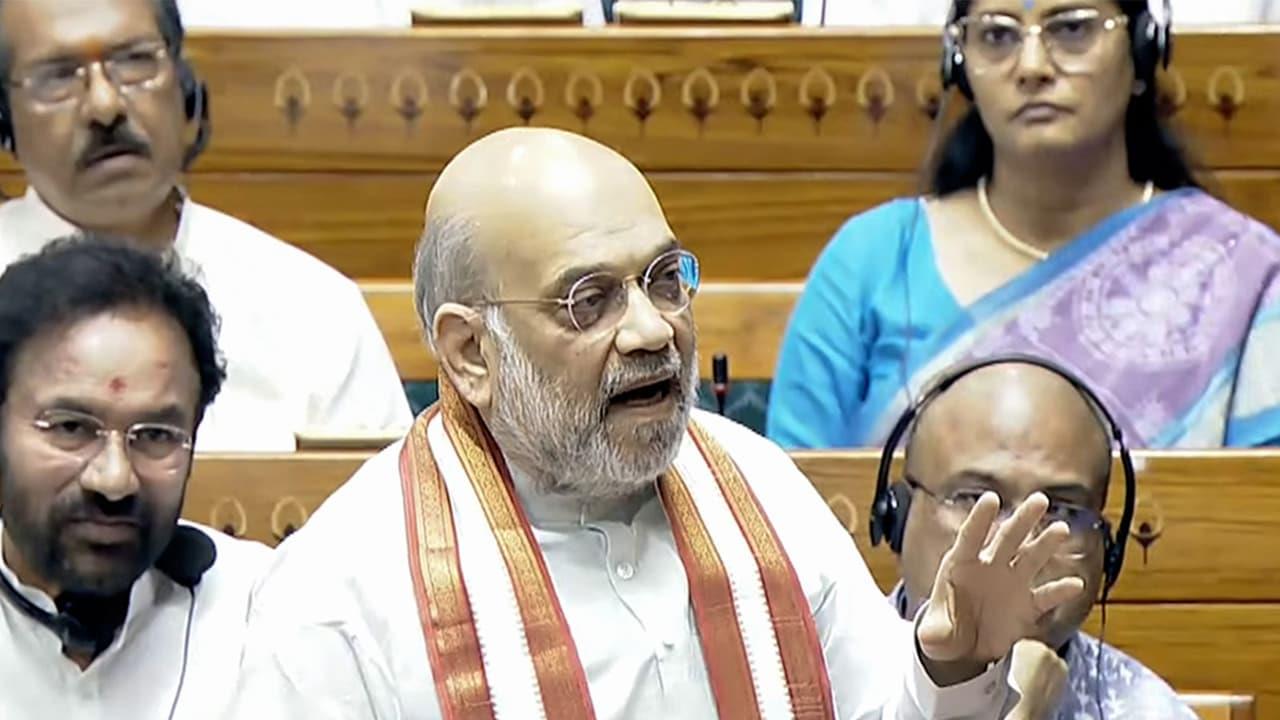
The Lok Sabha on Wednesday, March 11, 2026, defeated a no-confidence motion moved by opposition parties against Speaker Om Birla. The motion was defeated by a voice vote amidst protests and sloganeering by opposition members demanding an apology from Union Home Minister Amit Shah.
Key Highlights
- Lok Sabha defeated no-confidence motion against Speaker Om Birla on March 11, 2026.
- The motion was defeated by a voice vote amid opposition protests.
- Opposition demanded apology from Union Home Minister Amit Shah.
- Home Minister Amit Shah criticized the opposition's move.
- This was the fourth such motion against a Lok Sabha Speaker in India's history.
The Lok Sabha on Wednesday, March 11, 2026, defeated a no-confidence motion that had been moved against the Speaker, Om Birla, by opposition parties. The motion was ultimately dismissed through a voice vote amid significant protests and slogan-shouting from opposition members. The opposition's demands centered on an apology from Union Home Minister Amit Shah, whose remarks during the debate had drawn their ire.
The no-confidence motion was brought forth by opposition MPs, who accused Speaker Om Birla of exhibiting "blatantly partisan" conduct and systematically silencing dissenting voices during parliamentary proceedings. Specific instances cited by the opposition included the Speaker allegedly blocking Leader of the Opposition Rahul Gandhi from quoting from a memoir and the suspension of several opposition MPs. This motion marked the fourth occasion in India's parliamentary history that a sitting Lok Sabha Speaker faced a formal process for removal.
During the debate, Union Home Minister Amit Shah strongly criticized the opposition's move, characterizing it as an unfortunate development for India's democracy and parliamentary politics. He asserted that the House functions based on its own rules and mutual trust, and that the Speaker acts as a neutral custodian. Shah argued that questioning the Speaker's integrity was akin to questioning the very foundation of the country's democratic institutions. He emphasized that while disagreements with a Speaker's decision might occur, the integrity of such decisions should not be questioned, and that the House is not a marketplace where members can speak outside the rules.
The procedure for a no-confidence motion against the Speaker is governed by specific rules within the Lok Sabha. A notice of at least 14 days is required, and the motion must be supported by at least 50 Members of Parliament to be admitted for discussion. The Speaker against whom the motion is moved typically steps aside and does not preside over the proceedings related to their removal. In this instance, Jagdambika Pal, a member of the panel of presiding officers, presided over the debate after the Speaker, Om Birla, recused himself.
The arithmetic of the Lok Sabha's numbers indicated that the motion was unlikely to succeed, as the ruling coalition held a clear majority. The required number of votes to pass such a motion is 272, and the opposition bloc's numbers were estimated to be around 234. Despite the guaranteed defeat, the opposition continued their protests, demanding an apology from Amit Shah and continuing to voice their dissent even after the motion was rejected.
Historically, no-confidence motions against Lok Sabha Speakers are rare. Prior instances include motions against G.V. Mavalankar in 1954, Hukam Singh in 1966, and Balram Jakhar in 1987. None of these previous motions resulted in the removal of the Speaker.
The rejection of this motion, while expected, highlights the ongoing political tensions and debates surrounding parliamentary procedures, the role of the Speaker, and the balance of power between the ruling party and the opposition in India. The event underscores the significance of the Speaker's office as a symbol of parliamentary authority and the challenges in maintaining its perceived impartiality in a politically charged environment.
Frequently Asked Questions
What is a no-confidence motion against the Lok Sabha Speaker?
A no-confidence motion against the Lok Sabha Speaker is a formal proposal by opposition members seeking the removal of the Speaker from their position. It is moved when the opposition believes the Speaker has acted in a partisan manner or has failed to uphold the dignity and impartiality of the office.
What are the grounds for moving a no-confidence motion against the Speaker?
Common grounds cited include allegations of partisan conduct, systematically silencing opposition voices, not allowing leaders of the opposition to speak, and making controversial or unsubstantiated claims. In this specific case, the opposition cited Speaker Om Birla's alleged partisanship and refusal to allow certain statements or discussions in the House.
What is the procedure for a no-confidence motion against the Speaker?
A no-confidence motion against the Speaker requires a written notice, at least 14 days' advance intimation, and support from at least 50 MPs to be admitted for discussion. The Speaker against whom the motion is moved typically recuses themselves from presiding over the debate, and another member of the panel of presiding officers takes charge.
Has a no-confidence motion against a Lok Sabha Speaker succeeded in the past?
No, historically, no-confidence motions against Lok Sabha Speakers in India have not succeeded. There have been three such motions previously, in 1954, 1966, and 1987, but none resulted in the removal of the Speaker.