US Suspends Immigrant Visas for 75 Nations, Including Middle Eastern Countries | Quick Digest
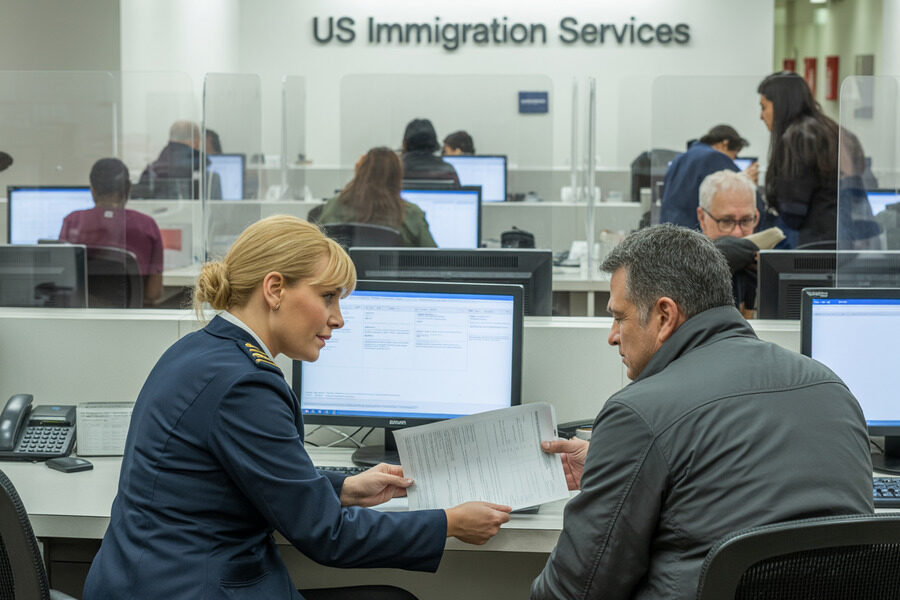
The U.S. State Department announced an indefinite freeze on immigrant visa processing for 75 countries, effective January 21, 2026. This policy, impacting nations like Morocco, Yemen, Egypt, Syria, Kuwait, and Jordan, targets individuals deemed likely to become a 'public charge' in the US. Non-immigrant visas for tourism, business, and study remain unaffected.
US freezes immigrant visa processing for 75 countries.
Morocco, Yemen, Egypt, Syria, Kuwait, Jordan are on the list.
Suspension effective January 21, 2026, indefinitely.
Policy targets 'public charge' concerns, not a general travel ban.
Non-immigrant visas (tourism, business, student) are not affected.
Original headline is inaccurate and highly sensationalized.
The United States State Department has announced an indefinite suspension of immigrant visa processing for nationals from 75 countries, a policy set to take effect on January 21, 2026. This measure specifically targets individuals seeking permanent residency (green cards) and is based on concerns that applicants may become a 'public charge' by relying on government benefits in the U.S. Countries explicitly mentioned in the original article, such as Morocco, Yemen, Egypt, Syria, Kuwait, and Jordan, are indeed on the comprehensive list of affected nations.
However, the headline from 'Travel And Tour World' is highly sensationalized and inaccurate. It claims a 'Travel Hold to US' and that the government is 'Set to Suspend All Visa Issuances.' This is a significant exaggeration. Multiple credible sources clarify that the suspension applies *only* to immigrant visas and explicitly states that non-immigrant visas—such as those for tourism, business, and study—are not affected by this policy. Therefore, a blanket 'travel hold' is misleading, and the claim of suspending 'all visa issuances' is false. The policy represents a significant contraction of legal immigration pathways under the framework of protecting taxpayers from perceived 'public charge' risks. The decision has broad implications for individuals from these 75 countries seeking to establish permanent residence in the United States.
Read the full story on Quick Digest