Middle East Conflict Escalates, Posing Extreme Global Economic Risks
An escalating military confrontation involving the United States, Israel, and Iran is pushing global economic risks to extreme levels, primarily through surging energy prices, heightened inflation, and significant disruptions to vital shipping routes like the Red Sea and Strait of Hormuz. The IMF warns of a "triple threat" to the fragile global economy.
Key Highlights
- Direct conflict between US, Israel, and Iran has intensified since late February 2026.
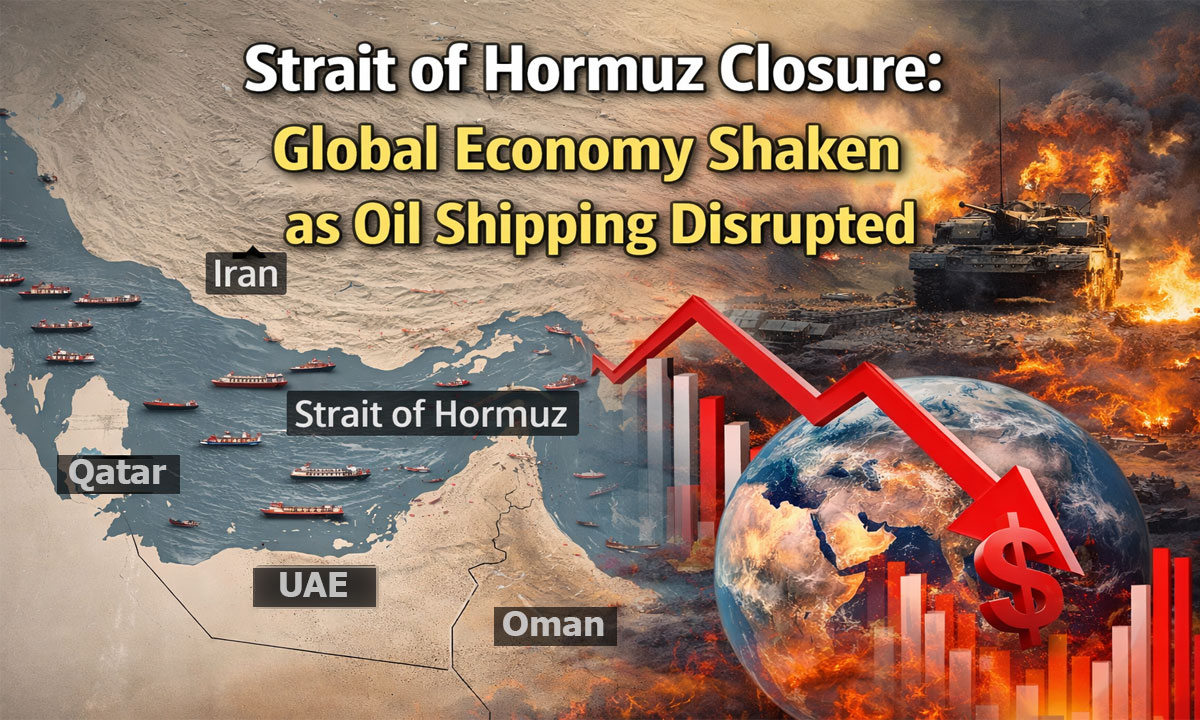
- Strait of Hormuz, crucial for global oil/gas, is effectively closed to shipping.
- Oil prices, particularly Brent crude, have surged and analysts predict further increases.
- Red Sea disruptions prolong supply chains, increasing shipping costs and inflation risks.
- IMF identifies energy, market sentiment, and trade as triple threats to global economy.
- US economy faces exacerbated inflation and market volatility amidst existing pressures.
The current military confrontation in the Middle East, primarily involving the United States, Israel, and Iran, has significantly escalated, leading to dire warnings about its potential to push the global economy into extreme danger. This assessment, initially highlighted by The Economic Times, is largely corroborated by various international financial institutions and news outlets. The conflict commenced with joint US and Israeli military strikes on Iran on February 28, 2026, which included the assassination of Iran's Supreme Leader. In retaliation, Iran launched missile and drone attacks against all six GCC nations, Israeli cities, and US bases across the region, while Hezbollah opened a second front from Lebanon.
A major immediate economic fallout stems from disruptions to critical maritime trade routes. The Strait of Hormuz, a vital chokepoint through which approximately 20% of global petroleum and liquefied natural gas (LNG) transits daily, is currently deemed "effectively closed to commercial shipping." This situation compounds existing challenges in the Red Sea, where Houthi attacks have already forced shipping companies to reroute vessels around the longer and costlier Cape of Good Hope. These rerouting efforts add significant time (up to 12-14 extra days) and costs (up to $2 million per trip for fuel, increased insurance premiums) to global shipping, leading to surging freight rates and potential container shortages.
Energy markets have reacted sharply to the escalating tensions. Oil prices, specifically Brent crude, surged to around $82 a barrel by early March 2026, up from $66 in early February, with analysts predicting they could top $100 per barrel, or even reach $150 in a worst-case scenario of prolonged disruption to the Strait of Hormuz. Natural gas prices have also seen a significant increase. These spikes in energy costs are a direct channel through which the conflict impacts the global economy, threatening to reignite inflationary pressures worldwide.
The International Monetary Fund (IMF) has expressed grave concerns, describing the situation as "highly fluid" and adding a new layer of uncertainty to an already fragile global economy. IMF Managing Director Kristalina Georgieva identified a "triple threat" to the global economy: energy prices, market sentiment, and trade disruption. The IMF's First Deputy Managing Director, Dan Katz, stated that while it's too early for a full assessment, the conflict could be "very impactful on the global economy across a range of metrics, whether it's inflation, growth, and so on." The institution is closely monitoring developments and plans to present a full assessment in its April World Economic Outlook.
For the United States, the conflict exacerbates existing economic vulnerabilities. The US economy was already grappling with stubbornly persistent inflation, overvalued equities, tariffs, and a deteriorating fiscal outlook. The new stress from potentially spiking energy prices, interrupted trade flows, and global political turbulence makes it even more unlikely for the economy to emerge unscathed, increasing the likelihood of economic disruption and market volatility. While the US is a net energy exporter, it is still exposed to inflationary pressures caused by global price increases.
The economic consequences are not confined to the US. Asia, particularly countries like India and Indonesia, are deemed more vulnerable due to their heavy reliance on Middle Eastern oil. Europe, while having reduced its reliance on Middle Eastern LNG, remains highly sensitive to energy price fluctuations. The Middle East region itself faces direct impacts, including potential damage to infrastructure and disruptions to key sectors like tourism and air travel. The prolonged uncertainty is detrimental to market sentiment globally, discouraging business investment and dampening consumer spending.
Several credible sources, including J.P. Morgan, The Guardian, Anadolu Agency, and the World Bank, corroborate the severe economic risks posed by the escalating Middle East conflict. While the headline's use of "up to 11" is sensationalized, the underlying premise of extreme economic danger is well-supported by factual information regarding energy price surges, inflation risks, and significant trade disruptions. The situation remains highly volatile, and the ultimate economic impact will largely depend on the conflict's duration and scope.
Frequently Asked Questions
What is the primary cause of heightened global economic danger?
The primary cause is the escalating military confrontation involving the United States, Israel, and Iran, which has led to significant disruptions in energy supplies and global trade routes, especially in the Middle East.
How is the conflict impacting energy prices?
The conflict has caused oil prices, particularly Brent crude, to surge due to fears of supply constraints and the effective closure of the Strait of Hormuz, a critical oil and gas chokepoint. Analysts predict further price increases if the conflict persists.
What are the effects on global shipping and trade?
Global shipping faces severe disruptions, with the Strait of Hormuz effectively closed and the Red Sea crisis necessitating longer and costlier rerouting of vessels around the Cape of Good Hope. This leads to increased freight rates, longer transit times, and potential inflationary pressures on goods.
What is the IMF's assessment of the economic situation?
The IMF describes the situation as "highly fluid" and a "triple threat" to the global economy, citing risks to energy prices, market sentiment, and trade disruption. They emphasize that the full economic impact will depend on the conflict's duration and scope.
How does this conflict specifically affect the US economy?
The US economy faces exacerbated inflationary pressures, market volatility, and potential setbacks in financial markets. This new stress compounds existing economic challenges such as persistent inflation, overvalued equities, and a fragile fiscal outlook.