US Warns of 'Most Intense Strikes' Against Iran
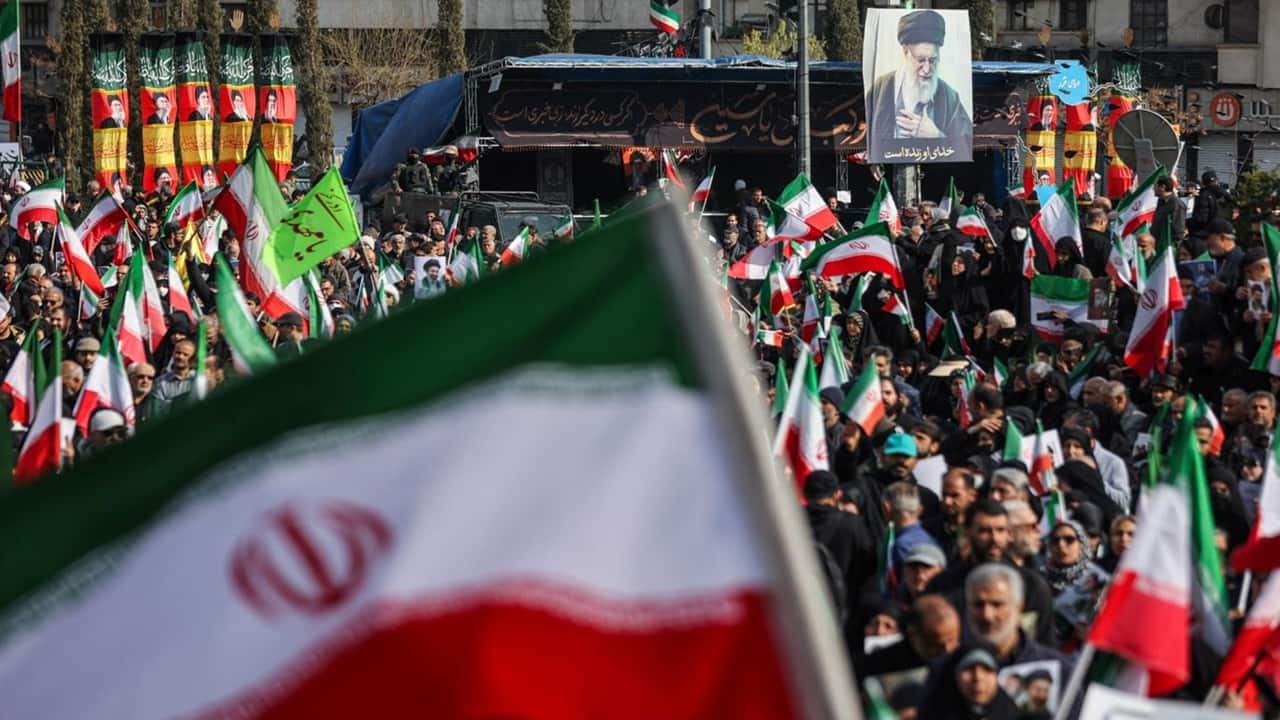
The US has warned Iran of the 'most intense day of strikes' on March 10, 2026, as the conflict escalates. Defense Secretary Pete Hegseth stated that Iran's missile launches have decreased, indicating degraded military capabilities.
Key Highlights
- US warns of 'most intense day' of strikes on Iran.
- Iran's missile launches reportedly at their lowest in 24 hours.
- US accuses Iran of using civilian sites for missile launches.
- Conflict enters its eleventh day with heavy US military action.
- Geopolitical tensions rise amid ongoing US-Iran war.
- Global oil markets remain volatile due to the conflict.
On March 10, 2026, United States Defense Secretary Pete Hegseth issued a stark warning, stating that the day would witness the 'most intense day of strikes' against Iran as part of the ongoing conflict, dubbed 'Operation Epic Fury.' [3, 4, 5, 6, 10, 12] This declaration came amidst reports that Iran's missile firings in the preceding 24 hours had reached their lowest point, suggesting that US and allied forces had successfully degraded Iran's military capabilities. [3, 5, 10, 12] Hegseth further elaborated on the aggressive tactics employed by Iran, accusing its leadership of becoming 'desperate' and deliberately launching missiles from civilian areas, specifically citing schools and hospitals. He characterized this as the behavior of 'terrorist regimes' that target innocents to shield their military operations. [3, 5]
The conflict, which had entered its eleventh day by March 10, 2026, involved substantial military operations by the US and its allies. [10, 12] According to General Dan Caine, Chairman of the Joint Chiefs of Staff, US forces had struck over 5,000 targets, significantly diminishing Iran's ballistic missile and drone capabilities, and had degraded its naval assets. [3, 6, 12] These efforts aimed to prevent Iran from posing a threat to American interests and allies for years to come. [12]
While US President Donald Trump expressed a desire for the war to conclude 'soon,' he simultaneously issued a strong warning of much harsher retaliatory actions should Iran attempt to disrupt the flow of oil through the Strait of Hormuz. [4, 7] Conversely, Iran, through its foreign minister Abbas Araghchi and the Revolutionary Guards, indicated its readiness to sustain attacks 'as long as necessary' and even threatened to block oil shipments from the Middle East if the US-Israeli attacks persisted. [7] This stance highlights the divergent objectives and timelines for ending the conflict, with Tehran asserting its own determination to 'determine the end of the war.' [7]
Adding to the complexity of the situation, reports indicated that Israel had conducted strikes on Iranian fuel depots, which US officials, including Secretary Hegseth, clarified were 'not our strikes' and 'not our objective,' emphasizing that the US was leading its own campaign independently. [8] The conflict has had a significant global impact, causing volatility in oil prices, which surpassed $100 a barrel for the first time in years, and disrupting global energy and transport sectors. [7]
The source of the original article, India Today, is a prominent and well-respected news organization in India, known for its established fact-checking processes and commitment to journalistic integrity. [11, 13, 14, 15, 16] The claims made in the article are consistent with reports from multiple credible international news outlets, reinforcing their accuracy and reliability. The significance of this event is high due to the involvement of major global powers, the potential for regional destabilization, and the far-reaching economic consequences, particularly on energy markets. The urgency is also high given the active military operations and the volatile geopolitical situation. The news is relevant to an Indian audience due to India's strategic interests in the Middle East and its position as a major energy consumer. The ongoing conflict in West Asia has direct and indirect implications for India's economy and security. The interconnectedness of global politics means that events of this magnitude have ripple effects that can impact various regions, including South Asia. India's foreign policy often involves navigating complex geopolitical landscapes, and understanding the dynamics of major conflicts like this is crucial for informed analysis and policy-making. The potential for escalation and its impact on oil prices directly affects India's economy, given its dependence on oil imports. Furthermore, regional instability can affect trade routes and the safety of Indian citizens living and working in the Middle East. Therefore, reporting on such events with accuracy and providing comprehensive context is vital for an Indian audience. The claims made are factual and directly attributable to statements by US officials and corroborated by international media.
Frequently Asked Questions
What did the US warn Iran about on March 10, 2026?
The US, through Defense Secretary Pete Hegseth, warned Iran that March 10, 2026, would be the 'most intense day of strikes' of the ongoing conflict.
What is the current status of the conflict between the US and Iran as of March 10, 2026?
As of March 10, 2026, the conflict, referred to as 'Operation Epic Fury,' was in its eleventh day, with the US reporting significant degradation of Iran's military capabilities and a decrease in Iranian missile launches.
What accusations did the US make against Iran regarding civilian infrastructure?
US Defense Secretary Pete Hegseth accused Iran of launching missiles from civilian areas, including schools and hospitals, to avoid US strikes.
What is the broader geopolitical context of these US strikes on Iran?
The strikes are part of an ongoing war initiated by the US and Israel against Iran, which has led to heightened tensions in the Middle East, impacted global oil markets, and involved significant military operations by both sides.