India's 'Mounjaro Brides': Weight-Loss Injections Spark Health and Regulatory Concerns
A growing trend in India sees brides and grooms using weekly weight-loss injections like Mounjaro for rapid pre-wedding transformations, driven by societal pressure. This surge has alarmed medical experts due to serious health risks from unsupervised use, prompting the Indian government to intensify surveillance and issue strict advisories against misuse. The phenomenon highlights a concerning shift towards medical shortcuts for cosmetic purposes.
Key Highlights
- Indian brides and grooms increasingly use GLP-1 drugs for rapid pre-wedding weight loss.
- Societal pressure and tight timelines fuel the demand for these weekly injections.
- Mounjaro (Tirzepatide) is approved for diabetes; obesity indication is also approved or under review in India.
- Unsupervised use of GLP-1 drugs carries significant health risks, including severe digestive issues and organ damage.
- Indian government has launched a nationwide crackdown on misuse, emphasizing prescription-only use.
- Entry of cheaper generic versions of GLP-1 drugs is expected to escalate misuse concerns.
An emerging and concerning trend in India, dubbed the 'Mounjaro Bride' phenomenon, involves individuals, primarily brides and sometimes grooms, resorting to weekly GLP-1 (Glucagon-Like Peptide-1) receptor agonist injections like Mounjaro (Tirzepatide) and Ozempic (Semaglutide) for accelerated weight loss before their weddings. This rapid adoption is largely propelled by intense societal pressure to achieve a 'perfect' physique for their wedding day, coupled with tight pre-wedding schedules that often leave little room for traditional diet and exercise regimes. Clinics across urban India are increasingly encountering prospective clients who bypass the question of 'how to lose weight' for 'how fast can I?', with medical interventions often presented as the quickest solution.
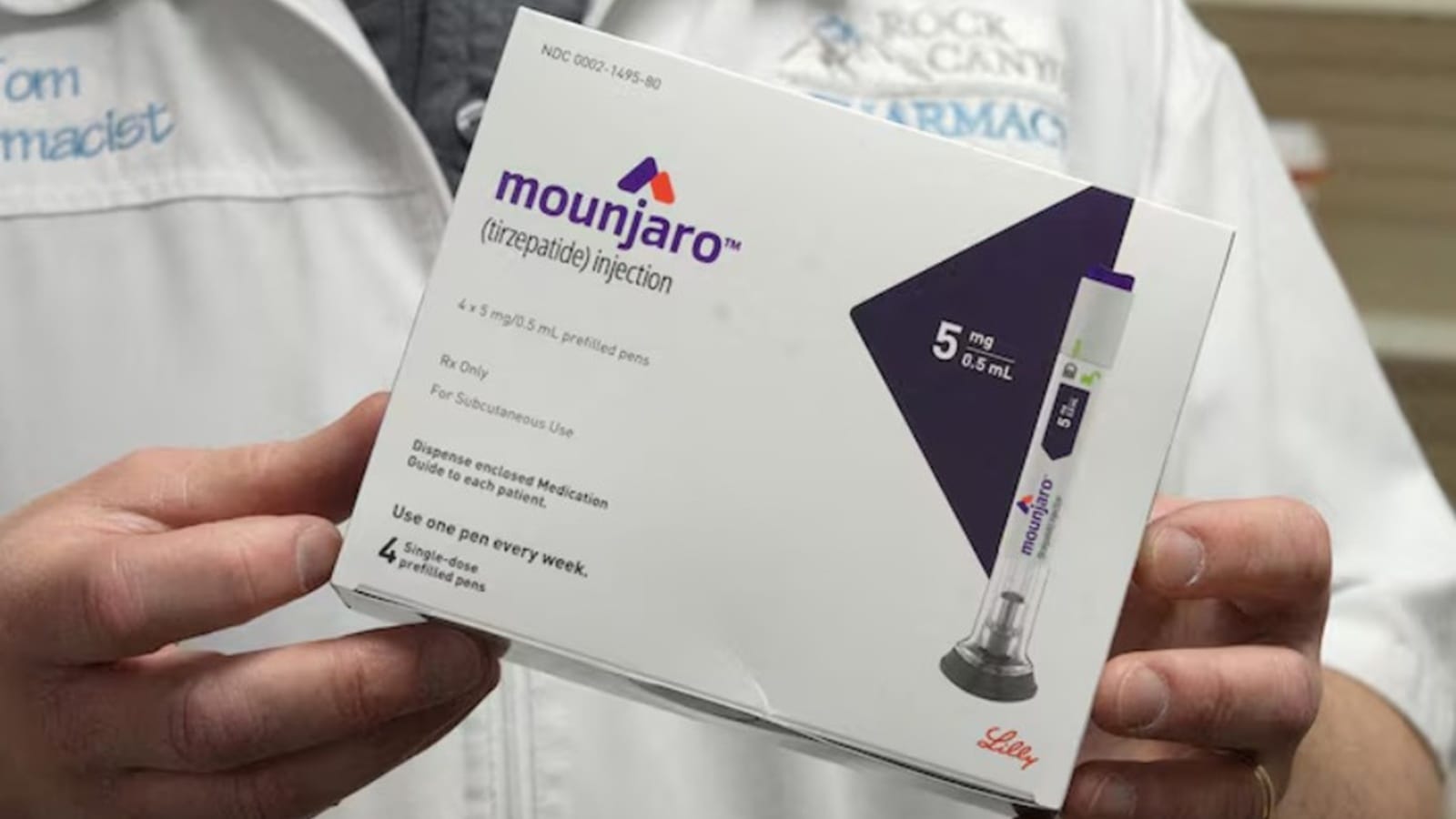
Mounjaro, containing the active ingredient Tirzepatide, is an injectable medication developed by Eli Lilly and Company. It has received approval from India's Central Drugs Standard Control Organisation (CDSCO) for the treatment of Type 2 diabetes. While its primary approval is for diabetes management, Tirzepatide is also approved or under review for chronic weight management in India, marketed internationally as Zepbound for weight loss applications. Similarly, Ozempic, with its active ingredient Semaglutide, is another GLP-1 drug primarily for diabetes but widely used off-label for weight loss. These drugs work by mimicking natural hormones (GIP and GLP-1) that regulate blood sugar levels, slow gastric emptying, reduce appetite, and enhance insulin response, leading to significant weight reduction. Eli Lilly launched Mounjaro in injectable vial form in India, with plans for a KwikPen format also approved. The market for weight-loss drugs in India is projected for substantial growth, potentially reaching ₹80 billion ($851.79 million) by 2030.
This trend has sparked serious concerns among medical professionals and regulatory bodies. Doctors report a significant increase in inquiries from individuals seeking these injections for purely cosmetic weight loss, often driven by social media trends and peer influence rather than genuine medical necessity. Many young users, particularly those in their early 20s, bypass proper medical consultation, relying instead on advice from gym trainers or online sources, which can lead to severe complications. While GLP-1 drugs have shown effectiveness in clinical trials for obesity, their use without appropriate medical supervision poses substantial health risks.
The potential side effects of Mounjaro and other GLP-1 drugs range from common mild digestive issues such as nausea, vomiting, diarrhea, constipation, and stomach pain to severe and potentially life-threatening conditions. Severe digestive problems can lead to dehydration and acute kidney injury (AKI). Other serious risks include acute pancreatitis, gallbladder problems, hypoglycemia (especially when combined with other diabetes drugs), and an increased risk of thyroid tumors (observed in rats, human risk unknown). Long-term side effects can include gastroparesis, a condition where stomach motility is paralyzed, leading to acid reflux, malnutrition, and persistent vomiting, sometimes even after discontinuing the drug. Experts emphasize that these are powerful prescription medications, not casual weight-loss solutions or 'wellness products'.
In response to the growing misuse and safety concerns, the Indian government has taken stringent measures. The Ministry of Health and the Drugs Controller General of India (DCGI) have launched a nationwide crackdown on the misuse of GLP-1 drugs across the supply chain, conducting audits and issuing notices to violators. The government has explicitly stated that these drugs are prescription-only and must be prescribed solely by qualified medical specialists such as endocrinologists, internal medicine experts, and cardiologists. Over-the-counter sales are prohibited, and regulatory surveillance is being intensified, with warnings of license cancellation, penalties, and prosecution for non-compliance. The Indian Pharmacopoeia Commission (IPC) has also been tasked with systematically collecting and reviewing reports of adverse events linked to these medications to strengthen post-marketing surveillance.
The situation is further complicated by the recent expiry of patents on semaglutide (active ingredient in Ozempic and Wegovy) in India, which is leading to the introduction of cheaper generic versions. While generics could make these drugs more accessible for genuine medical needs, there's a significant fear that their lower cost will exacerbate unsupervised use and drive further misuse for cosmetic purposes. This highlights the critical need for robust regulatory enforcement and public awareness campaigns to ensure these powerful medications are used safely and ethically. The phenomenon of 'Mounjaro Brides' underscores a broader societal challenge where body image, social expectations, and aggressive marketing intersect with medical advancements, sometimes pushing individuals towards risky health decisions.
Frequently Asked Questions
What is the 'Mounjaro Bride' trend in India?
The 'Mounjaro Bride' trend refers to the increasing number of individuals, predominantly brides and sometimes grooms in India, who are opting for weekly injections of GLP-1 drugs like Mounjaro (Tirzepatide) for rapid weight loss to achieve a desired physique before their weddings. This trend is driven by intense societal pressure and tight pre-wedding timelines.
What are GLP-1 drugs like Mounjaro and Ozempic, and what are their approved uses in India?
GLP-1 (Glucagon-Like Peptide-1) drugs, such as Mounjaro (Tirzepatide) and Ozempic (Semaglutide), are medications that mimic natural hormones to regulate blood sugar, slow digestion, and reduce appetite. In India, Mounjaro is approved for the treatment of Type 2 diabetes, and its use for chronic weight management is also approved or under review. While Ozempic is primarily for diabetes, it is often used off-label for weight loss.
What are the health risks associated with using these weight-loss injections without medical supervision?
Using GLP-1 drugs without proper medical supervision carries significant health risks. Common side effects include severe digestive problems like nausea, vomiting, diarrhea, and constipation. More serious complications can include acute kidney injury (AKI), acute pancreatitis, gallbladder problems, and hypoglycemia. Long-term risks may involve gastroparesis (stomach paralysis) and, as seen in animal studies, an increased risk of thyroid tumors.
What steps is the Indian government taking to address the misuse of weight-loss drugs?
The Indian government, through the DCGI and Ministry of Health, has launched a nationwide crackdown on the misuse of GLP-1 drugs. They have intensified regulatory surveillance, conducted audits, and issued advisories emphasizing that these are prescription-only medications to be prescribed by specialists. Over-the-counter sales are prohibited, and non-compliance can lead to license cancellation, penalties, and prosecution. The IPC is also collecting adverse event reports.
How are generic versions impacting the weight-loss drug market in India?
The expiry of patents for drugs like semaglutide (used in Ozempic and Wegovy) has paved the way for cheaper generic versions to enter the Indian market. While this could increase accessibility for legitimate medical use, there is a significant concern that lower prices will lead to a further surge in unsupervised use and misuse of these powerful drugs for cosmetic weight loss.