Iran suspends US talks over Israel's Lebanon strikes; Trump says talks continue
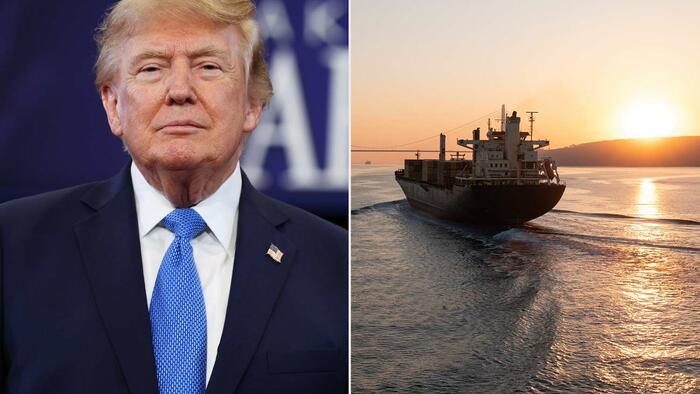
Iran has suspended its text-based negotiations with the U.S. concerning a preliminary agreement to end the war, citing Israel's escalating strikes in Lebanon. This action occurred shortly after Iranian officials warned that the conflict in Lebanon was a violation of the ceasefire, directly impacting US-Iran talks. However, U.S. President Donald Trump stated that negotiations with Tehran were ongoing.
Key Highlights
- Iran halted talks with the U.S. due to Israel's actions in Lebanon.
- Iranian officials consider attacks in Lebanon a violation of the ceasefire.
- President Trump claims US-Iran talks are continuing.
- The conflict in Lebanon is seen as a key precondition for a broader agreement.
- A broader agreement aims to end the ongoing regional conflict.
Iran has announced the suspension of its indirect negotiations with the United States, specifically halting the exchange of texts related to a preliminary agreement aimed at ending the ongoing conflict. This decision, reported by the semi-official Tasnim news agency on Monday, June 1, 2026, was a direct response to what Iran described as escalating Israeli military strikes in Lebanon.
Iranian officials had previously issued warnings that Israel's continued military operations in Lebanon and Gaza posed a significant threat to the ongoing ceasefire negotiations with the Trump administration. Foreign Minister Abbas Araghchi stated that Israel's attacks on Lebanon constituted a violation of the ceasefire on a separate front, and that the U.S. bore direct responsibility for the consequences of such violations.
According to Iranian reports, the ceasefire agreement between Iran and the U.S. was unequivocally a ceasefire on all fronts, including Lebanon. Therefore, a violation on one front was considered a violation on all fronts. Iran's stance was that Israeli forces must fully withdraw from Lebanon and that military actions in the country must cease before any negotiations could resume.
Despite Iran's suspension of talks, U.S. President Donald Trump asserted that negotiations with Tehran were continuing, and even described them as progressing at a rapid pace. Trump had also stated that Israel and Hezbollah had agreed to stop attacking each other in Lebanon following fresh violence that threatened the ongoing peace talks. However, the reality on the ground seemed more complex, with reports of continued Israeli strikes in Lebanon, leading to civilian casualties and damage.
The conflict in Lebanon emerged as a critical point of contention, with Iran insisting that a ceasefire in Lebanon was an integral part of any final agreement to end the war. This was echoed by statements from Lebanese authorities who confirmed receiving confirmation that Hezbollah agreed to a U.S. proposal for a cessation of attacks between the group and Israel. However, the underlying issues and the commitment to a comprehensive ceasefire remained fragile.
Further complicating the situation, Iran also reiterated its position on the Strait of Hormuz, stating that it would not reopen the vital waterway until the U.S. blockade was lifted and the war permanently ended. This added another layer of complexity to the broader negotiations, which were aimed at achieving a lasting peace in the region.
The overarching context for these developments was a complex and fragile peace process, brokered by various mediators including Pakistan. A memorandum of understanding (MoU) was reportedly finalized, which included a cessation of hostilities in Lebanon and other key points. However, the continued fighting in Lebanon and differing interpretations of the ceasefire terms threatened to derail these efforts.
In essence, Iran's suspension of talks was a clear signal of its commitment to its regional allies and its unwillingness to overlook Israeli actions in Lebanon, even at the cost of potentially derailing broader peace negotiations. The U.S., under President Trump, appeared to be pursuing a parallel path, emphasizing the continuation of talks while also engaging with regional actors to de-escalate tensions. The effectiveness of these competing approaches remained to be seen as the situation evolved.
Frequently Asked Questions
Why did Iran suspend talks with the U.S.?
Iran suspended talks with the U.S. in protest of escalating Israeli military strikes in Lebanon, which Iran considered a violation of the ceasefire agreement.
What was the U.S. President's response to the suspension of talks?
U.S. President Donald Trump stated that negotiations with Iran were continuing at a rapid pace, despite Iran's announcement of suspending talks.
What is Iran's stance on the conflict in Lebanon?
Iran considers a ceasefire in Lebanon to be an integral part of any broader agreement to end the war and has demanded a cessation of Israeli military actions in the country.