India Prepares Contingency Plans Amidst Weak Monsoon Concerns
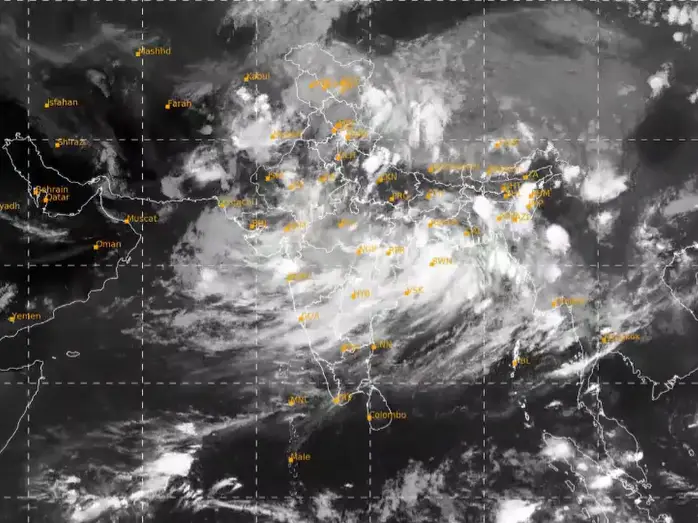)
India is actively developing contingency plans to address the potential impact of a weak monsoon season on its agricultural sector and economy. The monsoon, crucial for the nation's water and food security, has shown signs of reduced rainfall, prompting the government to take proactive measures. Concerns are amplified by forecasts of El Niño's influence and the current rainfall deficit affecting kharif crop sowing.
Key Highlights
- India is creating contingency plans for a weak monsoon.
- Monsoon rains are currently 43% below average.
- Impact on kharif crops and agriculture is a major concern.
- El Niño's influence on the monsoon is being monitored.
- Proactive measures are being taken to mitigate agricultural and economic risks.
India is meticulously preparing contingency plans in response to the prevailing weak monsoon season, which has brought rains approximately 43 percent below the average. This situation is a significant cause for concern due to the monsoon's critical role in the country's agricultural output and overall economy. The monsoon season, which typically delivers about 70 percent of India's annual rainfall, is vital for replenishing water sources, supporting nearly half of the nation's farmland that lacks irrigation, and sustaining the livelihoods of approximately half of the population reliant on farming. The timely arrival and adequate intensity of the monsoon are crucial for the planting of major crops like cotton, soybeans, sugarcane, rice, and corn.
The current monsoon season commenced with a delay, arriving three days later than usual in Kerala, which has heightened anxieties about its potential impact on India's $4 trillion economy. The India Meteorological Department (IMD) has forecast continued weak precipitation, further underscoring the need for the government's proactive approach. The Agriculture Minister, Shivraj Singh Chouhan, confirmed that the government is drawing up these plans to mitigate the consequences of a weaker-than-usual monsoon. This includes identifying vulnerable districts and implementing strategies to support farmers and ensure food security.
The situation is further complicated by the potential influence of El Niño, a climate phenomenon known to weaken the Indian monsoon. Weather agencies globally have warned of El Niño's development and its potential to strengthen through late 2026 and early 2027, with some projecting it could be one of the strongest on record. This confluence of a weak monsoon and El Niño poses a substantial risk to the 'kharif' (summer-sown) crops. Reports indicate that kharif sowing is already lagging behind last year's pace, with a significant deficit in planted area. The Union government has identified hundreds of vulnerable districts, many of which have poor irrigation facilities, as high-risk zones. Economists have also voiced concerns that a prolonged rainfall deficit could lead to an increase in food prices, slow down economic growth, and negatively impact rural incomes.
In response, the government has initiated measures to address these potential challenges. These include developing contingency plans for over 300 vulnerable districts and a proactive approach to minimize the impact on crops. The Meteorological Department's forecast of continued weak precipitation through the first week of July signals the urgency of these preparations. While India has substantial buffer stocks of essential grains like rice and wheat, a significant shortfall in the monsoon could still strain agricultural incomes and contribute to inflation. The government's strategy involves close monitoring of water availability and reservoir levels, alongside implementing measures to support farmers through subsidies and ensuring the availability of seeds and fodder for livestock. The government's proactive stance aims to safeguard the agricultural sector and the broader economy from the adverse effects of the current weather patterns.
As the monsoon season progresses, continuous monitoring by the IMD and other meteorological agencies will be crucial. The effectiveness of the contingency plans will depend on timely implementation and adaptation to the evolving weather patterns. The agricultural sector's resilience, supported by government intervention and other climate factors, will play a pivotal role in navigating the challenges posed by the weak monsoon and the potential El Niño event.
Frequently Asked Questions
What is the current status of the monsoon in India?
As of recent reports, monsoon rains have been significantly below average, with figures indicating a deficit of around 43%. This has led to concerns about its impact on agriculture and water resources.
How does El Niño affect the Indian monsoon?
El Niño is a climate phenomenon characterized by the warming of the Pacific Ocean. It is known to weaken or disrupt the Indian southwest monsoon, potentially leading to below-normal rainfall, delayed monsoons, and increased drought risk in India.
What are 'kharif crops', and why are they affected by the monsoon?
Kharif crops are the summer-sown crops in India, planted with the onset of the monsoon rains (typically June-July) and harvested in autumn. Their growth is heavily dependent on adequate and timely monsoon rainfall. A weak monsoon can delay sowing, reduce yields, and impact the overall kharif harvest.