KAIST Develops Injection to Reprogram Immune Cells for Cancer Therapy | Quick Digest
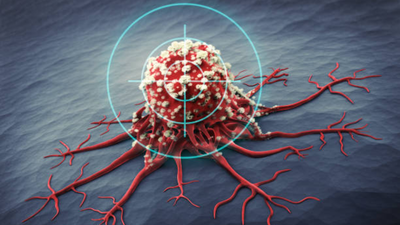
Researchers at KAIST have developed an innovative injection that reprograms dormant immune cells within tumors into active cancer-fighting agents. This method, tested in animal models, involves lipid nanoparticles delivering mRNA to convert macrophages into CAR-macrophages, offering a promising new approach for solid tumor treatment.
KAIST develops in-body immune cell reprogramming for solid tumors.
Injection delivers mRNA via nanoparticles to tumor-resident macrophages.
Macrophages are converted into cancer-recognizing CAR-macrophages in-situ.
New therapy shows promise in suppressing tumor growth in animal models.
Method overcomes limitations of current costly CAR-macrophage treatments.
Aims to treat difficult solid tumors like gastric, lung, and liver cancers.
Researchers at the Korea Advanced Institute of Science and Technology (KAIST), led by Professor Ji-Ho Park and first author Jun-Hee Han, have achieved a significant breakthrough in cancer therapy. They have developed a novel method that directly reprograms immune cells already present within tumors to become potent cancer fighters. This innovative approach involves a localized injection of lipid nanoparticles into the tumor. These nanoparticles are designed to be readily absorbed by tumor-associated macrophages, which are a type of immune cell naturally found around tumors but are typically suppressed by the tumor environment.
The nanoparticles carry messenger RNA (mRNA) containing instructions to produce CAR (Chimeric Antigen Receptor) proteins, along with an immunostimulant. Once absorbed, the macrophages begin to express these CAR proteins, effectively converting them into CAR-macrophages directly inside the body. These newly reprogrammed CAR-macrophages are then capable of recognizing and attacking cancer cells, while also stimulating other nearby immune cells to enhance the body's overall anticancer response.
This in-body reprogramming strategy addresses critical limitations of existing CAR-macrophage therapies, which are often time-consuming, expensive, and logistically challenging due to the need for ex-vivo (outside the body) extraction, modification, and reinfusion of immune cells. The KAIST team's method was successfully tested in animal models, demonstrating significant suppression of tumor growth and eliciting robust systemic immune responses. This holds particular promise for treating solid tumors, such as gastric, lung, and liver cancers, which are notoriously difficult for conventional immune cell therapies to penetrate and effectively combat due to their dense structure. The findings were published in the international nanotechnology journal ACS Nano on November 18.
Read the full story on Quick Digest