Pakistan: 42 Killed in Balochistan Militant Attacks, 54 Terrorists Neutralized
Pakistan's military reported 42 lives lost, including security personnel and civilians, in three major militant attacks in Balochistan over four days. In retaliatory operations, security forces neutralized 54 terrorists. The military accused India and allied forces using Afghan territory of backing these attacks.
Key Highlights
- 42 lives, including security forces and civilians, martyred in Balochistan attacks.
- Pakistan military's DG ISPR confirmed three major militant incidents since July 4.
- Security forces neutralized 54 terrorists in comprehensive counter-operations.
- Attacks targeted police posts, army convoys, and civilians in Quetta, Ziarat, and Bela.
- Pakistan accused India and affiliated groups operating from Afghanistan of support.
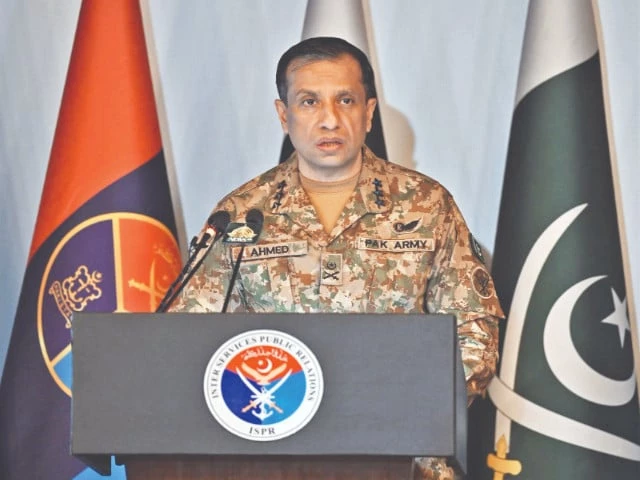
In a series of intense militant attacks over four days, Pakistan's southwestern Balochistan province witnessed the martyrdom of 42 lives, comprising 27 police officers, 11 military personnel, and 4 civilians. The Director General of Inter-Services Public Relations (DG ISPR), Lieutenant General Ahmed Sharif Chaudhry, confirmed these figures during a press briefing in Rawalpindi on Wednesday, July 8, 2026.
According to Lt. Gen. Chaudhry, the violence unfolded in three major terrorist incidents across the province. The first incident, occurring on the night between July 4 and 5, involved an armed attack on the outskirts of Quetta in Hanna Urak, where four civilians were martyred and six others sustained injuries.
The second significant assault took place on July 6, targeting a police checkpost guarding Pumping Station No. 3 in Ziarat. Initially, nine policemen were martyred in this attack. Subsequently, an ongoing clearance operation in the mountainous region of Ziarat resulted in the martyrdom of an additional 18 policemen, bringing the total police casualties from the Ziarat incident to 27. The DG ISPR noted that security forces were careful not to use aerial assets in certain phases of the Ziarat operation due to concerns about collateral damage and the presence of hostages.
The third major incident occurred on July 8, when an army convoy was ambushed on a highway in the Bela area of the Lasbela district, leading to the martyrdom of 11 security personnel.
In response to these coordinated militant acts, Pakistani security forces launched comprehensive counter-operations. These efforts successfully neutralized 54 terrorists involved in the attacks. The operations included both ground forces and, in some areas, air support, aiming to dismantle militant networks across multiple locations in Balochistan.
Lt. Gen. Chaudhry attributed the attacks to banned militant organizations such as the Tehreek-e-Taliban Pakistan (TTP) and the Balochistan Liberation Army (BLA), which Pakistan refers to as "Fitna al-Khawarij". He further alleged that India and forces allied with it were using Afghan territory to facilitate and support these terrorist activities against Pakistan.
These accusations of foreign involvement are not new. Pakistan has historically accused India of fomenting unrest in Balochistan, claims that India has consistently denied. Similarly, Pakistan frequently accuses the Afghan Taliban government of providing sanctuary to militants, an allegation Kabul denies. The current escalation of violence follows a pattern of cross-border tensions, with Pakistan having conducted airstrikes on Afghan territory in recent months, targeting what it claims are militant hideouts.
Balochistan, Pakistan's largest yet least populated province, is rich in natural resources but has long been plagued by a separatist insurgency and militant violence. Groups like the BLA seek greater autonomy or independence, often framing their struggle against perceived economic exploitation and state repression. The province's strategic location, bordering Afghanistan and Iran, and its importance to projects like the China-Pakistan Economic Corridor (CPEC), make it a focal point of regional instability.
The latest attacks underscore the persistent security challenges in Balochistan and the broader border regions of Pakistan. The military spokesman reiterated Pakistan's resolve to continue operations against terrorists and their facilitators, vowing to hunt them down wherever they may be located.
Frequently Asked Questions
What were the casualty figures reported by the Pakistan military?
The Pakistan military's DG ISPR Lieutenant General Ahmed Sharif Chaudhry reported that 42 lives were lost, including 27 police personnel, 11 army personnel, and 4 civilians, in recent militant attacks in Balochistan.
How many militants were killed in the operations?
Pakistani security forces neutralized 54 terrorists in retaliatory operations carried out in response to the attacks.
What were the main locations of the attacks?
The three major incidents occurred in Hanna Urak (outskirts of Quetta), Ziarat (targeting a police checkpost), and Bela (ambushing an army convoy).
Did Pakistan make any allegations of foreign involvement?
Yes, DG ISPR Lt. Gen. Ahmed Sharif Chaudhry accused India and forces allied with it of using Afghan territory to support these militant attacks in Balochistan. India and Afghanistan have historically denied such allegations.
What militant groups were involved in these attacks?
The attacks were attributed to banned militant organizations such as the Tehreek-e-Taliban Pakistan (TTP) and the Balochistan Liberation Army (BLA).