Rupee Weakens Amid Global Pressures, RBI Steps In | Quick Digest
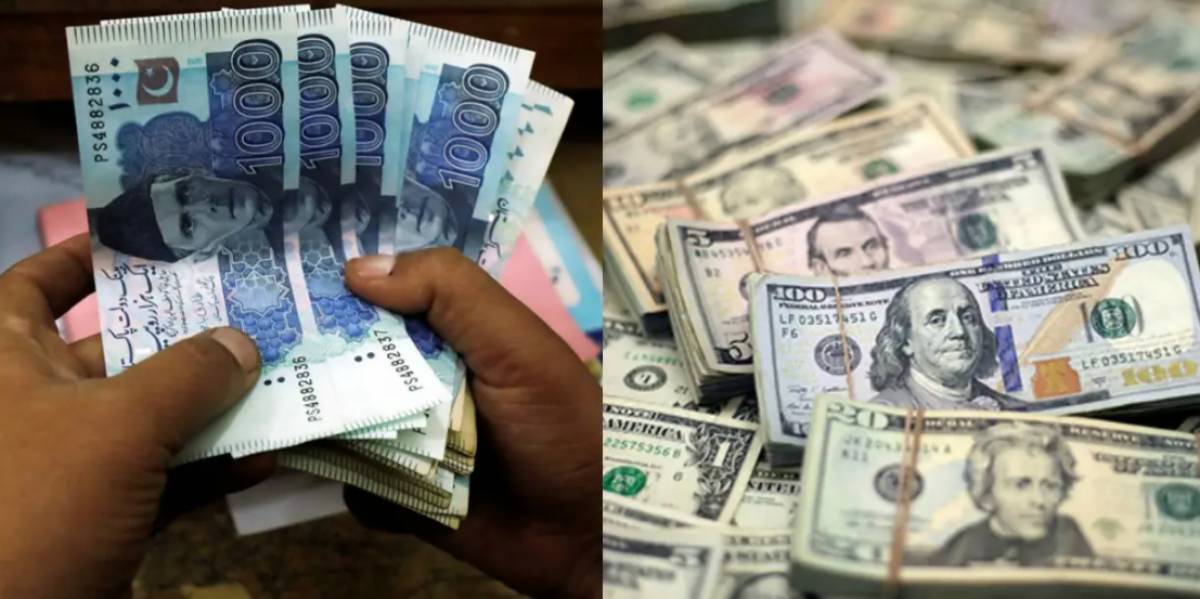
The Indian rupee closed lower against the US dollar on January 13, 2026, influenced by declining local stocks and weaker Asian currencies. The Reserve Bank of India's likely intervention helped moderate the rupee's fall.
Indian rupee settled at 90.19 per US dollar, showing a modest depreciation.
Indian benchmark equity indexes, Sensex and Nifty 50, recorded declines.
Other Asian currencies also experienced a collective weakening.
Reserve Bank of India likely intervened by selling dollars to cushion the rupee's decline.
Deferral of Indian bonds in a global index added to the currency's pressure.
Analysts anticipate potential rupee recovery in Q1 2026 due to seasonal factors.
The Indian rupee ended modestly weaker on Tuesday, January 13, 2026, closing at 90.19 per dollar, a slight dip from its previous session's close of 90.1625. This depreciation was primarily driven by a decline in local equity markets and a broader weakening across regional Asian currencies. India's benchmark equity indexes, the BSE Sensex and Nifty 50, fell by 0.2% and 0.3% respectively, performing worse than many of their regional counterparts.
Simultaneously, other Asian currencies experienced declines ranging from 0.1% to 0.8%, indicating a widespread pressure on regional foreign exchange markets. A significant factor contributing to the rupee's woes was the deferral of Indian bonds' inclusion in a key global index, which dampened market sentiment. However, the Reserve Bank of India (RBI) reportedly intervened by selling dollars in both the non-deliverable forward and local spot markets, which played a crucial role in preventing a sharper depreciation of the rupee. Analysts from HSBC suggest a tactical preference for the Indian Rupee in the first quarter of 2026, forecasting a potential strengthening to 88 per dollar by the end of March 2026, citing a seasonal narrowing of the trade deficit and anticipated progress in US-India trade talks. Geopolitical tensions and upcoming U.S. inflation data also contribute to the prevailing market uncertainty.
Read the full story on Quick Digest