Shattila Ekadashi 2026: Date, Timings, Rituals, and Significance | Quick Digest
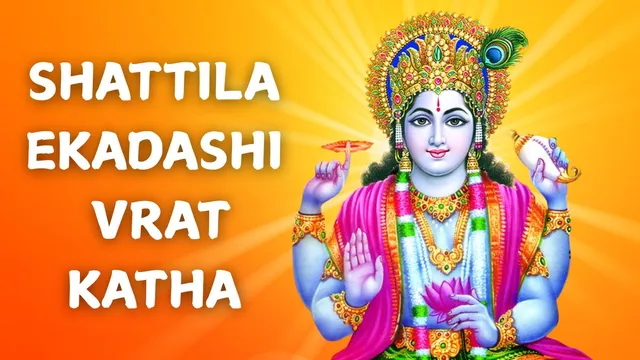
Shattila Ekadashi in 2026 will be observed on January 14, coinciding with Makar Sankranti. Devotees will worship Lord Vishnu, follow fasting rules, and use sesame seeds in six ways for spiritual benefits. The auspicious day is believed to cleanse sins and bring prosperity.
Shattila Ekadashi 2026 falls on Wednesday, January 14.
Ekadashi Tithi begins Jan 13, 2026, 3:17 PM; ends Jan 14, 2026, 5:52 PM.
Fast breaking (Parana) is on January 15, 2026, 07:15 AM to 09:21 AM.
Coincides with Makar Sankranti, making it highly auspicious.
Rituals involve using sesame seeds in six distinct ways.
Devotees observe a strict fast dedicated to Lord Vishnu.
Shattila Ekadashi, a significant Hindu observance dedicated to Lord Vishnu, will be celebrated on Wednesday, January 14, 2026. This particular Ekadashi holds enhanced spiritual importance as it coincides with the auspicious festival of Makar Sankranti, a rare occurrence happening after approximately 23 years. The Ekadashi Tithi commences on January 13, 2026, at 03:17 PM and concludes on January 14, 2026, at 05:52 PM. The Parana, or fast-breaking time, is scheduled for January 15, 2026, between 07:15 AM and 09:21 AM, emphasizing the importance of breaking the fast after Hari Vasara ends.
The term 'Shattila' is derived from 'shat' meaning 'six' and 'til' meaning 'sesame seeds,' signifying the six distinct uses of sesame on this day. These rituals include bathing with sesame water (Til-snan), applying sesame paste (Til-ubtan), offering sesame in sacred fire (Til-havan), offering water with sesame to ancestors (Til-tarpan), consuming sesame-based foods (Til-bhojan), and donating sesame seeds (Til-daan). Devotees are encouraged to wake up during Brahma Muhurta, take a purifying bath, and make a 'sankalp' (vow) to observe the fast with full devotion to Lord Vishnu. Prayers involve offering yellow flowers, Tulsi leaves, fruits, and a special 'bhog' of sesame seeds and jaggery. Chanting the Vishnu Sahasranama or 'Om Namo Bhagavate Vasudevaya' and reading the Shattila Ekadashi vrat katha are also integral parts of the observance.
The fasting rules mandate abstaining from all types of grains and pulses. Many opt for a 'Nirjala' (waterless) fast, while others consume 'Phalahar' (fruits, milk, and nuts). Beyond dietary restrictions, devotees are advised to avoid anger, falsehood, and negative thoughts, focusing instead on spiritual purity. Charitable acts, particularly donating sesame seeds, food, and clothes, are considered highly meritorious on this day, believed to cleanse past sins, bestow good health, wealth, prosperity, and lead to spiritual liberation.
Read the full story on Quick Digest