Bengal deportation drive prompts border rush as illegal migrants attempt return
West Bengal's new government has launched a "detect, delete and deport" policy targeting illegal immigrants, leading to increased activity at border checkpoints as people attempt to return to Bangladesh. The state is establishing holding centers for apprehended foreigners awaiting deportation, a move that has generated significant attention and political debate. The crackdown signifies a shift in the state's approach to border security and immigration.
Key Highlights
- Bengal launches "detect, delete and deport" policy against illegal immigrants.
- Holding centers established across West Bengal for apprehended foreigners.
- Illegal migrants are flocking to border checkpoints attempting to return to Bangladesh.
- The drive follows the formation of a new BJP government in West Bengal.
- The policy aims to strengthen border security and address immigration concerns.
West Bengal has initiated a stringent "detect, delete and deport" policy targeting illegal immigrants, leading to a noticeable increase in activity at border checkpoints as individuals attempt to return to Bangladesh. This development follows the formation of the new Bharatiya Janata Party (BJP) government in the state and signifies a marked shift in its approach to border security and immigration management. The policy, spearheaded by Chief Minister Suvendu Adhikari, aims to identify, detain, and subsequently deport undocumented foreign nationals, particularly focusing on those from Bangladesh and Rohingya refugees.
The state government has directed all District Magistrates to establish "holding centers" across West Bengal. These facilities are designated to house apprehended foreigners and foreign prisoners awaiting deportation or repatriation, in line with guidelines from the Union Ministry of Home Affairs (MHA). The creation of these holding centers is a key administrative action under the new policy. Suspected illegal immigrants can be held in these centers for up to 30 days while verification and deportation procedures are completed. The initiative also involves directing police and the Railway Protection Force (RPF) to hand over certain detained Bangladeshi "infiltrators" directly to the Border Security Force (BSF) for deportation, bypassing traditional court processes to expedite the repatriation.
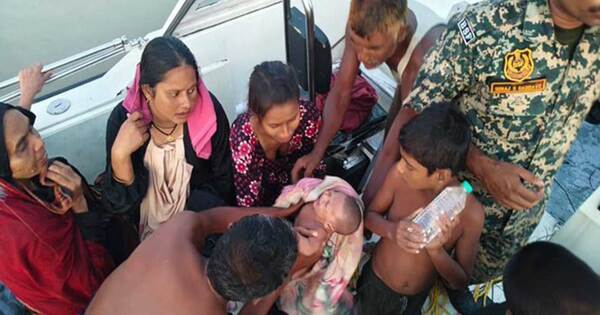
The implementation of this policy has led to scenes of hundreds of alleged illegal Bangladeshi migrants gathering at border checkpoints, such as Hakimpur in North 24 Parganas and in Malda, seeking to return to their home country. Many of these individuals claim to have been living in West Bengal for years and are now attempting to cross the border voluntarily before formal detention proceedings begin. Some migrants have recounted narratives involving middlemen and organized networks facilitating illegal entry and the procurement of Indian identity documents like Aadhaar and Ration cards.
This crackdown is part of a broader national strategy to address illegal immigration, with similar drives observed in other Indian states. For instance, Gujarat has also undertaken operations to detain and deport undocumented Bangladeshi immigrants. The Union Home Ministry has previously directed states to identify and verify illegal immigrants from Bangladesh and Myanmar.
Chief Minister Suvendu Adhikari has stated that approximately 10,000 Bangladeshi illegal immigrants have been sent out of West Bengal by the BSF, with 1,800 still lodged in holding centers. He has also emphasized that the government's priority is national security and that genuine citizens have no cause for worry. The government has also been actively involved in land acquisition for border fencing, with plans to complete fencing along significant portions of the India-Bangladesh border.
The policy has generated political discourse, with the BJP government asserting its commitment to addressing concerns regarding illegal infiltration, which it links to demographic changes and alleged appeasement politics by previous administrations. The initiative has been framed within the context of the BJP's electoral promises and national security concerns. The approach has also drawn attention to potential humanitarian concerns and questions about due process in deportation procedures, with reports of "push-in" incidents along the border.
Overall, the situation in West Bengal reflects a significant intensification of efforts to manage illegal immigration, characterized by administrative actions like the establishment of holding centers and a more direct approach to deportation, leading to increased border activity and political engagement on the issue.
Frequently Asked Questions
What is the new policy implemented in West Bengal regarding illegal immigrants?
West Bengal has implemented a "detect, delete and deport" policy aimed at identifying, detaining, and deporting illegal immigrants. This policy has led to the establishment of holding centers and a crackdown on undocumented foreign nationals.
What are the 'holding centers' in West Bengal?
Holding centers are temporary detention facilities established across West Bengal to house apprehended illegal immigrants and foreign prisoners awaiting deportation or repatriation. These centers are set up in accordance with Union Home Ministry guidelines.
Why are illegal migrants flocking to the border checkpoints?
Following the announcement and implementation of the deportation policy and the establishment of holding centers, many illegal migrants are reportedly gathering at border checkpoints like Hakimpur to voluntarily return to Bangladesh out of fear of detention and deportation.
Who is spearheading the deportation drive in West Bengal?
The deportation drive is being spearheaded by the newly formed Bharatiya Janata Party (BJP) government in West Bengal, led by Chief Minister Suvendu Adhikari. The policy is part of the state government's broader agenda on border security and immigration.
What is the broader context of this deportation drive?
The drive is part of a national effort to control illegal immigration. It is also linked to political discussions around border security, national security, and alleged demographic changes in West Bengal, with the current government framing it as a priority issue.