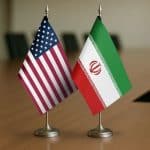
Indian LNG tanker nears Hormuz amid US-Iran peace deal hopes
An Indian LNG tanker, 'Disha', is heading towards the Strait of Hormuz following reports of a US-Iran deal to reopen the crucial waterway. This development has led to a drop in global energy prices and offers potential relief for India's energy import costs after months of disruption.
Key Highlights
- Indian LNG tanker 'Disha' moves towards Strait of Hormuz.
- US-Iran peace deal aims to reopen the vital waterway.
- Global energy prices decline amid reopening hopes.
- India anticipates reduced energy import costs and inflation.
- Geopolitical tensions ease with potential resolution.
The news of an Indian Liquefied Natural Gas (LNG) tanker, the 'Disha', moving towards the Strait of Hormuz, following reports of a breakthrough US-Iran deal to reopen the strategic waterway, has significant implications for India's energy security and the global economy. This development, reported by The Economic Times and corroborated by The Hindu, Bloomberg, and Mint, signals a potential de-escalation of geopolitical tensions in the Middle East and a move towards stabilizing volatile energy markets.
The 'Disha', under a long-term charter with an Indian state-owned importer, had been reportedly trapped in the Persian Gulf for over three months since early March 2026, after departing from Qatar's Ras Laffan facility. Its current trajectory towards the Strait of Hormuz, a vital chokepoint through which approximately 20% of global oil and 25% of global LNG trade passes, indicates a cautious testing of the waters as news of a potential peace accord between the US and Iran emerges. The closure of this strait, attributed to the "Iran war" that began in late February 2026 following US and Israeli strikes on Iran, had severely disrupted global energy supplies, leading to price surges and inflationary pressures worldwide.
The reported US-Iran deal, announced on Sunday, June 14, 2026, and slated for formal signing on Friday, June 18, 2026, includes an agreement to end the conflict, lift the US naval blockade on Iranian ports, and reopen the Strait of Hormuz. US President Donald Trump announced on his Truth Social platform that the strait would be "permanently toll-free" and authorized the removal of the naval blockade, urging ships to "start your engines. Let the oil flow!". This announcement has already had a palpable effect on global energy markets, with oil prices plunging over 4% and European natural gas prices seeing a significant drop.
For India, a nation heavily reliant on energy imports, the reopening of the Strait of Hormuz is of paramount importance. The waterway is a crucial artery for approximately 40-50% of India's crude oil, roughly half of its LNG, and over 90% of its liquefied petroleum gas (LPG) imports. The disruption in this route since late February 2026 had led to soaring energy prices, impacting India's import bill, widening its current account deficit, and contributing to inflationary pressures. The potential normalization of shipping through Hormuz promises relief by easing supply concerns, lowering freight and insurance costs, and moderating fuel prices, which in turn would benefit various sectors from transportation and manufacturing to agriculture and petrochemicals. Industry sources and analysts anticipate that the stabilization of global energy markets will improve the outlook for energy-importing nations like India.
However, the situation remains fluid, and cautious optimism prevails. While the deal offers a significant diplomatic breakthrough, its full implementation hinges on adherence to its terms by both sides and the resolution of underlying disputes, particularly regarding Iran's nuclear program and the broader regional security landscape. Reports indicate that the deal involves a 60-day negotiation period for a final agreement on Iran's nuclear program and sanctions relief, with Iran reiterating its commitment not to pursue nuclear weapons. Concerns also persist about potential implementation hurdles, such as monitoring challenges, the risk of vessels disabling transponders, and the possibility of renewed tensions, given Iran's demonstrated leverage in controlling the strait. Energy experts also suggest that it may take months for oil and gas supplies to return to pre-crisis levels, even with the reopening of the strait, due to the complexities of resuming operations and shipping.
The Economic Times, as a leading business newspaper in India, is a credible source for this type of information, with its reporting corroborated by other major news outlets. The Hindu is also a respected source, known for its in-depth analysis, though rated as Left-Center biased with Mostly Factual reporting. Bloomberg is generally considered Mostly Factual with a Left-Center bias. Swarajyamag, on the other hand, is rated as Questionable with Low factual reporting and a Right-wing bias. Despite these varying credibility assessments, the convergence of reporting on the key facts of the tanker movement, the US-Iran deal, and the market reactions across multiple reputable sources lends significant weight to the veracity of this news story. The situation remains dynamic, and continued monitoring will be crucial to assess the long-term impact of this geopolitical development on global energy security and India's economic interests.
Frequently Asked Questions
What is the Strait of Hormuz and why is it important?
The Strait of Hormuz is a narrow sea passage between Iran and Oman that connects the Persian Gulf to the Gulf of Oman and the open sea. It is one of the world's most important oil transit points, handling about 20% of global oil consumption and a significant portion of global LNG trade. Its strategic location makes it crucial for global energy security and international trade.
What was the 'Iran war' and what led to the closure of the Strait of Hormuz?
The 'Iran war', as described in the reports, began in late February 2026 following US and Israeli strikes on Iran. In retaliation, Iran effectively closed the Strait of Hormuz, disrupting shipping and leading to a significant increase in global energy prices. This conflict was linked to Iran's nuclear program and broader geopolitical tensions in the region.
What are the key terms of the reported US-Iran peace deal?
The reported peace deal aims to end the conflict, lift the US naval blockade on Iranian ports, and reopen the Strait of Hormuz. It includes a 60-day negotiation period for a final agreement on Iran's nuclear program and sanctions relief. Iran has reportedly committed to not pursuing nuclear weapons, and the US is expected to release frozen Iranian assets. The deal also involves the dismantling of Iran's nuclear program and the removal of its enriched uranium stockpile.
How will the reopening of the Strait of Hormuz benefit India?
India, a major energy importer, stands to benefit significantly from the reopening of the Strait of Hormuz. It is expected to ease concerns over oil supplies, lower freight and insurance costs, reduce inflationary pressures, and help stabilize the rupee. This will provide much-needed relief to India's economy, particularly for sectors sensitive to energy costs.
What are the potential challenges or risks associated with the US-Iran deal and the reopening of the Strait of Hormuz?
Despite the optimistic outlook, challenges remain. The deal's full implementation depends on both sides adhering to its terms and resolving underlying disputes, especially regarding Iran's nuclear program. There are also concerns about monitoring complexities, the risk of transponder deactivations by ships, and the potential for renewed tensions, given Iran's demonstrated ability to control the strait. Furthermore, energy experts note that it may take months for supply chains to fully normalize even after the strait reopens.