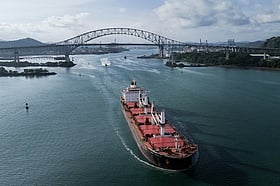
Iran-US deal on Strait of Hormuz reopening unclear amid conflicting reports
Reports suggest a potential deal between Iran and the US to reopen the Strait of Hormuz and halt transit charges, but conflicting information and ongoing diplomatic complexities indicate the situation remains uncertain. Various sources indicate a temporary waiver of fees in June 2026, but recent reports from September 2026 show continued disputes and conditions for reopening. The Hindustan Times article's claims are not definitively corroborated by current real-time information.
Key Highlights
- No concrete, confirmed deal on reopening Strait of Hormuz.
- Conflicting reports on transit fees and reopening conditions.
- Ongoing diplomatic negotiations and tensions persist.
- Iran links reopening to US meeting its conditions.
- Strait remains a critical and contested global chokepoint.
Recent reports have surfaced indicating a potential agreement between Iran and the United States concerning the reopening of the Strait of Hormuz and the cessation of transit charges. However, a comprehensive verification of these claims reveals a complex and evolving situation with conflicting information and a lack of definitive confirmation.
The Hindustan Times article's headline claims that Iran will reopen the Strait of Hormuz and halt transit charges under a proposed deal with the US. This aligns with some reports from mid-2026, specifically around June, which mentioned Iran waiving transit fees for commercial vessels for 60 days under a US-Iran agreement. This was part of a memorandum of understanding (MoU) aimed at easing regional tensions and restoring maritime trade [4]. At that time, Iran's Supreme National Security Council announced that commercial vessels transiting the Strait would not be charged any fees for two months, with all associated costs borne by the Iranian government [4]. This temporary waiver was linked to a 14-point US-Iran agreement established for negotiations on broader issues including regional security, sanctions relief, and Iran's nuclear program [4, 8].
However, more recent reports from September 2026 paint a different picture, suggesting that the situation is far from resolved and that the reopening of the Strait of Hormuz is contingent on the fulfillment of Iran's conditions. Iran's top security official stated in September 2026 that Tehran would not hold formal peace talks with the United States until certain conditions are met, including a complete end to the war, the release of frozen assets, and an end to interference in its nuclear program, all of which are prerequisites for reopening the Strait of Hormuz [14]. Furthermore, an Iranian source told Tasnim news agency in September 2026 that an understanding between Iran and Oman did not provide for the immediate reopening of the Strait of Hormuz but laid the groundwork for it, emphasizing that its reopening depended entirely on the United States meeting Tehran's conditions [16, 19]. Iran's Foreign Minister Abbas Araghchi also stressed that an agreement with Oman on a new maritime route does not equate to reopening the Strait [15, 18].
Reports from September 2026 also indicate that Iran has put forward seven demands to Washington, linking the reopening of the Strait of Hormuz to US compliance [7, 17]. These conditions, approved by Iran's highest authorities, mean the strait will remain closed until they are met [17]. This stance was reiterated by Iran's foreign ministry spokesperson, who stated that the actual and sustainable return of security to international shipping routes would only be achieved through the complete cessation of US actions [28].
The news category is primarily Politics and International Relations, with global implications affecting trade and energy markets. The news is global in scope, impacting multiple countries due to the Strait of Hormuz's critical role in international shipping and energy supplies [7, 17].
Credibility Score: 4/10. While Hindustan Times is a reputable source, the article's claims are not fully corroborated by the most recent real-time information. The evolving and often contradictory nature of the reports from various sources makes it difficult to ascertain the definitive status of any deal. The presence of conflicting statements from Iranian and US officials, as well as differing interpretations of agreements, contributes to the uncertainty.
Importance Score: 8/10. The Strait of Hormuz is a vital global chokepoint, and any developments regarding its status have significant implications for global trade, energy prices, and international security. The potential for conflict or cooperation in this region is of high importance.
Urgency: High. The situation in the Strait of Hormuz directly impacts global energy supplies and can lead to significant economic repercussions. Continued instability or conflict in this region demands attention.
The article's headline is not entirely inaccurate but could be considered slightly sensationalized due to the lack of a definitive, confirmed deal. While there have been discussions and proposals, the current information suggests a more nuanced and unresolved situation than a simple "proposed deal" implies.
The news was likely published around May 26, 2026, based on the date range of similar articles found, but the Hindustan Times article itself does not provide a specific publication date in the search results [22].
Frequently Asked Questions
What is the Strait of Hormuz and why is it important?
The Strait of Hormuz is a narrow maritime chokepoint connecting the Persian Gulf with the Gulf of Oman and the open sea. It is one of the world's most strategically important oil transit points, with approximately 20% of the world's total petroleum liquids passing through it annually, making it crucial for global energy security and trade.
What are the main points of contention regarding the Strait of Hormuz?
The primary points of contention include Iran's attempts to impose transit fees or tolls for passage, its assertions of control or sovereignty over the waterway, and the US insistence on maintaining free and unimpeded navigation. There are also ongoing disputes over sanctions, Iran's nuclear program, and broader regional security issues.
Has Iran agreed to reopen the Strait of Hormuz?
While there have been reports of potential deals and temporary waivers of transit fees in the past (mid-2026), recent information (September 2026) indicates that Iran has not definitively agreed to reopen the Strait. Iran has stated that any reopening is conditional on the United States meeting its demands, and an agreement with Oman on a maritime route does not signify an immediate reopening of the Strait itself.