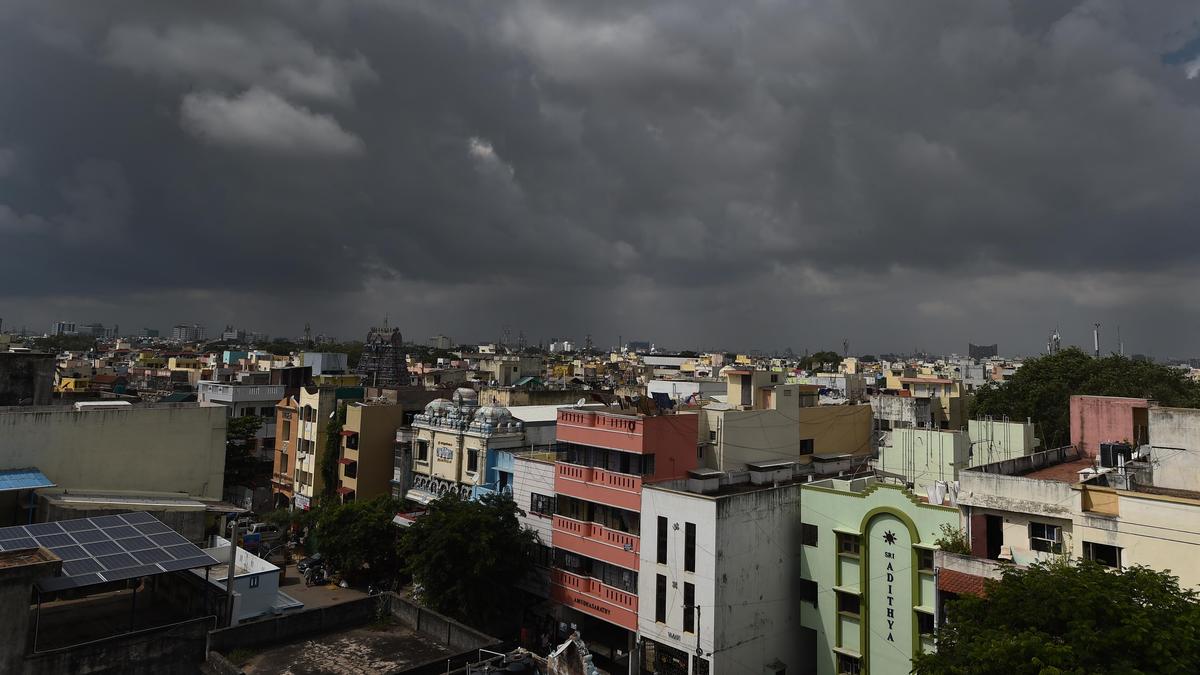
Kerala: IMD Issues Yellow Alert for Heavy Rain in Five Districts
The India Meteorological Department (IMD) has issued a yellow alert for five districts in Kerala—Thiruvananthapuram, Kollam, Pathanamthitta, Kottayam, and Idukki—forecasting isolated heavy rainfall on February 21, with alerts continuing for three districts on February 22. This advisory is due to a low-pressure system over the Bay of Bengal affecting South India.
Key Highlights
- IMD issues yellow alert for five Kerala districts on February 21.
- Thiruvananthapuram, Kollam, Pathanamthitta, Kottayam, Idukki are affected.
- Alert continues for Pathanamthitta, Kottayam, Idukki on February 22.
- Heavy rainfall of 64.5 mm to 115.5 mm expected in 24 hours.
- Low-pressure system over Bay of Bengal causes rainfall in South India.
- Fishermen advised against venturing into affected sea areas.
The India Meteorological Department (IMD) has issued a yellow alert for five districts in Kerala, signaling isolated heavy rainfall for Saturday, February 21, 2026. The affected districts are Thiruvananthapuram, Kollam, Pathanamthitta, Kottayam, and Idukki. This alert indicates that these regions are expected to receive significant rainfall, ranging from 64.5 mm to 115.5 mm within a 24-hour period. The IMD's Met Centre Thiruvananthapuram corroborated this, forecasting heavy rainfall of 7cm to 11cm (70-110mm) in 24 hours for one or two places in Kerala on both February 21st and 22nd.
For Sunday, February 22, the yellow alert is specifically extended for Pathanamthitta, Kottayam, and Idukki, indicating a continued risk of heavy downpours in these hilly and central districts of Kerala. This weather phenomenon is primarily attributed to an active low-pressure system that has formed over the Equatorial Indian Ocean and the adjoining southwest Bay of Bengal. This system is anticipated to move west-northwestwards, influencing weather patterns across the southern Indian peninsula.
Several credible news outlets have corroborated the IMD's forecast, highlighting the widespread impact across South India. The Times of India, in its report on February 20, 2026, warned of heavy rainfall at isolated places in Kerala, Mahe, Tamil Nadu, Puducherry, and Karaikal on February 21 and 22. Similarly, India Today, on the same day, confirmed the likelihood of heavy rainfall in isolated areas over south Tamil Nadu and south Kerala on February 21. Newsonair further reinforced these predictions on February 21, stating that the IMD had forecast heavy rainfall and thunderstorms with lightning and gusty winds over Tamil Nadu, Puducherry, Karaikal, Kerala, and Mahe for the subsequent two days. Kerala9.com also explicitly reported on the yellow alert in five Kerala districts due to a strengthening cyclonic circulation, confirming the real-time nature and accuracy of the Onmanorama article.
The anticipated rainfall is likely to be accompanied by thunderstorms with lightning and gusty winds, reaching speeds of 30-40 kmph in affected areas. Coastal regions are expected to experience more challenging conditions, with warnings of winds between 40 to 50 kmph, gusting up to 60 kmph, in the Gulf of Mannar, along the Sri Lankan coast, and in the South Andaman Sea. Consequently, fishermen have been strongly advised not to venture into these turbulent sea areas for their safety. This advisory extends for approximately three days, covering February 21, 22, and 23.
Beyond Kerala, the broader weather system is impacting other parts of South India. Heavy rain has been predicted for southern Tamil Nadu and some parts of Mahe. The formation of the low-pressure area over the east equatorial Indian Ocean and adjoining central parts of the south Bay of Bengal was first noted around February 16, with expectations of it becoming more marked by February 18. This rare February weather system, which has historically impacted Sri Lanka, is a significant event for the region.
In stark contrast to the wet weather in the south, North India is experiencing a different meteorological trend. The IMD has forecast a gradual rise in maximum temperatures by two to four degrees Celsius across Northwest India over the next seven days, leading to warmer and drier conditions. Minimum temperatures are also expected to increase, contributing to a comparatively warm late February. Light rain or snowfall is, however, expected in some mountainous regions like Uttarakhand and Himachal Pradesh between February 22 and 24.
Residents in the yellow alert districts of Kerala are advised to stay informed about local weather updates and take necessary precautions to ensure safety, especially in low-lying areas prone to waterlogging or in hilly regions susceptible to landslides. The agricultural sector, particularly farmers with ripening paddy crops, have been advised by the IMD to harvest and store their produce safely and to ensure proper drainage in fields due to the impending heavy rainfall. Support for crops like banana and vegetables is also recommended in anticipation of strong winds. The constant monitoring and advisories from the IMD underscore the importance of public awareness during such weather events.
Frequently Asked Questions
Which districts in Kerala are under a yellow alert for heavy rain?
The India Meteorological Department (IMD) has issued a yellow alert for five districts in Kerala: Thiruvananthapuram, Kollam, Pathanamthitta, Kottayam, and Idukki, for February 21, 2026. For February 22, the alert continues for Pathanamthitta, Kottayam, and Idukki.
What does an IMD 'yellow alert' signify?
An IMD yellow alert typically means 'Be Aware.' It advises the public and authorities to stay updated on the weather situation and be prepared for potential disruptions, such as heavy rainfall, which could affect daily activities and cause localized issues like waterlogging or landslides.
What is causing the heavy rainfall in Kerala and other parts of South India?
The heavy rainfall is primarily due to a low-pressure system that has developed over the Equatorial Indian Ocean and the adjoining southwest Bay of Bengal. This system is moving west-northwestwards, influencing the weather patterns across the southern Indian peninsula.
How much rainfall is expected in the alert districts?
The IMD predicts isolated heavy rainfall ranging from 64.5 mm to 115.5 mm within a 24-hour period in the districts under yellow alert. This aligns with the IMD's definition of heavy rainfall, which is 7 cm to 11 cm (70-110 mm).
Are there any advisories for fishermen or farmers?
Yes, fishermen have been strongly advised not to venture into the sea in affected regions like the Gulf of Mannar, the Sri Lankan coast, and the South Andaman Sea due to squally weather and strong winds. Farmers in Tamil Nadu and Kerala are advised to harvest and store ripened paddy crops safely and ensure proper drainage in fields.