Passport not proof of citizenship: MEA clarifies on Indian nationality
The Ministry of External Affairs (MEA) has clarified that an Indian passport is a travel document and not conclusive proof of citizenship. This statement has sparked discussions on what documents truly establish Indian nationality, as common identity proofs like Aadhaar, PAN, and Voter IDs also do not independently confirm citizenship.
Key Highlights
- Passport is a travel document, not proof of citizenship.
- Citizenship is determined by the Citizenship Act, 1955.
- Birth certificates and parentage are crucial for citizenship claims.
- No single document universally proves Indian citizenship.
The Ministry of External Affairs (MEA) has issued a significant clarification stating that an Indian passport, despite its rigorous verification process, serves primarily as a travel document and not as conclusive proof of Indian citizenship. This announcement, made by MEA officials, has brought to the forefront the complex question of what documents legally establish Indian nationality. The MEA emphasized that while a passport attests to an individual's nationality when traveling abroad, its legal standing is distinct from that of a citizenship document. This distinction is rooted in the fact that passports are issued under the Passports Act, 1967, while citizenship itself is governed by the Citizenship Act, 1955.
The clarification has led to a broader discussion about other commonly held identity documents in India, such as Aadhaar cards, PAN cards, and Voter ID cards. It is crucial to understand that none of these documents, individually, are considered definitive proof of citizenship. The Supreme Court has previously ruled on Aadhaar, stating it establishes identity but not nationality. Similarly, PAN cards are primarily for tax purposes and can be issued to foreign nationals, while Voter ID cards, though linked to electoral registration, do not independently confirm citizenship status.
In India, citizenship is acquired through various means as outlined in the Citizenship Act, 1955, including birth, descent, registration, and naturalization. Consequently, there isn't a single, universal document that proves citizenship for all individuals. The proof of citizenship largely depends on how one acquired it. For instance, individuals born in India are considered citizens by birth under specific conditions related to the date of birth and the citizenship status of their parents. Those born between January 26, 1950, and July 1, 1987, were automatically citizens by birth. For births between July 1, 1987, and December 3, 2004, at least one parent needed to be an Indian citizen. For births on or after December 3, 2004, both parents must be Indian citizens, or one must be a citizen while the other is not an illegal immigrant.
Establishing citizenship often requires a combination of documents and legal records. A birth certificate, if registered under the Registration of Births and Deaths Act, 1969, is a primary document. For those born between July 1, 1987, and December 3, 2004, a birth certificate along with parental legacy identification documents are needed. For individuals who acquired citizenship through registration or naturalization, a formal Certificate of Indian Citizenship or a Certificate of Naturalization is the definitive proof.
In specific cases, a domicile certificate can reinforce claims of nationality, particularly for state-level verifications. It proves permanent residency in a particular Indian state and typically requires demonstrating continuous residence for a significant period, supported by documents like registered land deeds or school-leaving certificates.
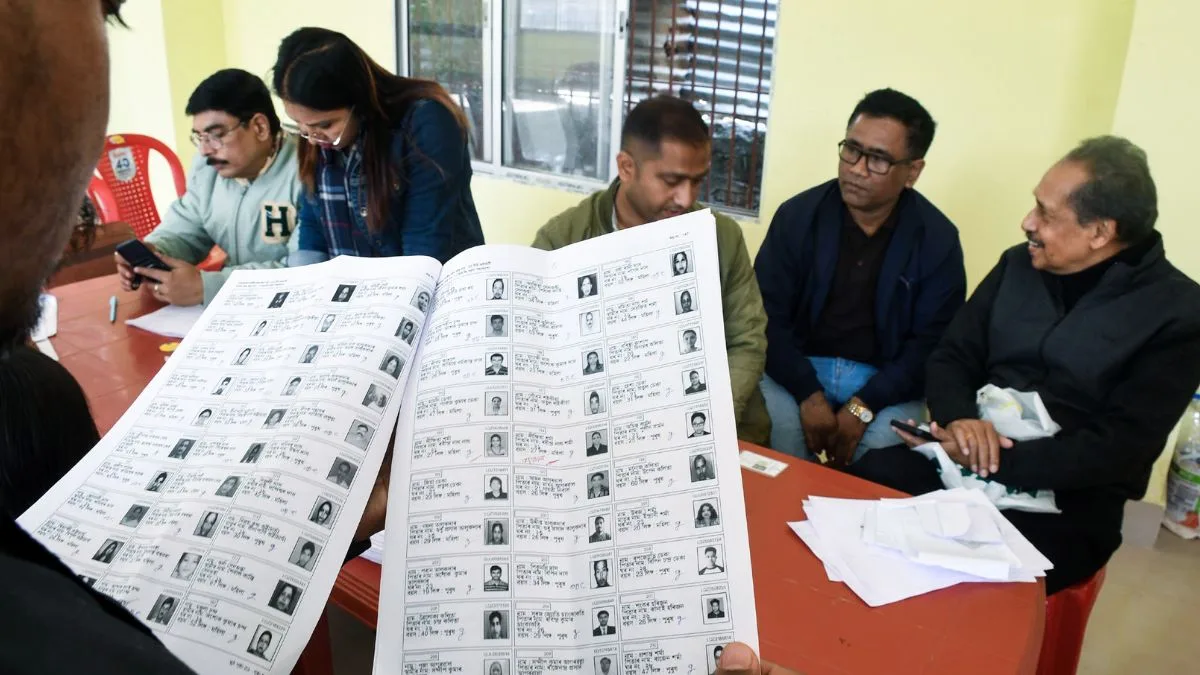
The controversy surrounding the passport's status as proof of citizenship gained traction due to its implications for electoral roll revisions. Concerns were raised that if a passport is not considered definitive proof, individuals might face challenges to their citizenship status during voter list verification exercises. This highlights the critical need for clarity on citizenship documentation in India, a country that, unlike many others, does not issue a single, universal citizenship card.
The Citizenship (Amendment) Act, 2019 (CAA), which amends the Citizenship Act, 1955, provides a pathway to Indian citizenship for persecuted religious minorities from Afghanistan, Bangladesh, and Pakistan who arrived in India by December 31, 2014. This act has its own specific criteria for eligibility and has been a subject of significant political and social debate in India.
Ultimately, while identity documents facilitate various administrative functions and travel, the legal determination of Indian citizenship is a more complex process governed by the Citizenship Act, 1955, and requires a thorough examination of birth records, parentage, residency, and in some instances, specific certificates issued by the government. The MEA's clarification serves as a reminder that for legal and statutory purposes, one must rely on the established provisions of Indian citizenship law rather than solely on travel or identity documents.
Frequently Asked Questions
What is the official stance of the Ministry of External Affairs (MEA) regarding Indian passports?
The MEA has clarified that an Indian passport is primarily a travel document and not conclusive proof of Indian citizenship. It is issued to regulate the departure of Indian citizens from the country and attests their nationality abroad, but its legal standing is distinct from a citizenship document.
Which documents are NOT considered conclusive proof of Indian citizenship?
While commonly used for identification, documents such as Aadhaar cards, PAN cards, and Voter ID cards are not considered conclusive proof of Indian citizenship on their own. The Supreme Court has stated that Aadhaar establishes identity, not nationality, and PAN cards can be issued to foreign nationals. Voter IDs are linked to electoral registration but do not confirm citizenship.
How is Indian citizenship legally established?
Indian citizenship is established through the Citizenship Act, 1955, based on factors like birth, descent, registration, or naturalization. Establishing citizenship often requires a combination of documents such as a birth certificate, parentage documents, or specific certificates of citizenship, depending on how citizenship was acquired.
What is the difference between a travel document and a citizenship document in India?
A travel document, like a passport, facilitates international travel and attests to nationality abroad. A citizenship document refers to the legal status of being a citizen, governed by the Citizenship Act, 1955, and established through various legal means and official records, not solely by a travel document.