Bangladesh Polls 2026: Post-Hasina Era Begins, Key Stakes for Democracy
Bangladesh is on the cusp of a landmark general election on February 12, 2026, marking the first polls since former Prime Minister Sheikh Hasina's ouster in August 2024. This election, alongside a constitutional referendum, ushers in a new political era under an interim government led by Muhammad Yunus, with significant implications for the nation's democratic future and its critical garment industry.
Key Highlights
- Bangladesh holds general elections on February 12, 2026, a pivotal post-Hasina vote.
- Former PM Sheikh Hasina was ousted in 2024 student-led protests; Awami League banned.
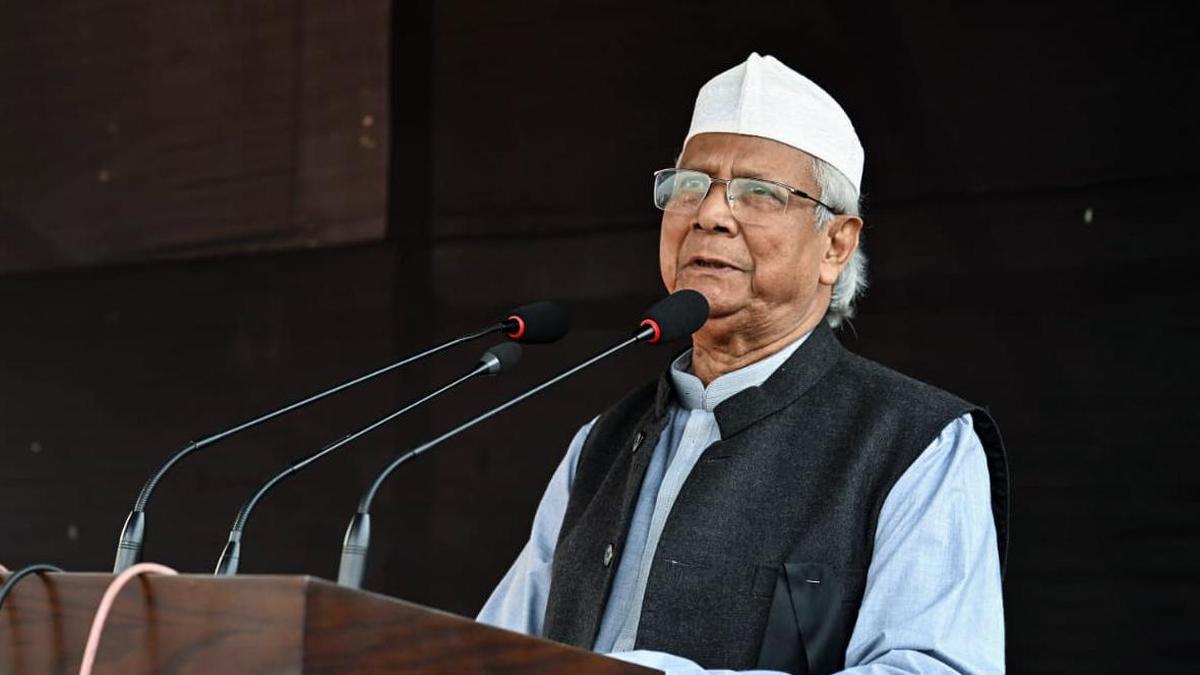
- Interim government led by Nobel laureate Muhammad Yunus overseeing transition.
- Election includes a referendum on the 'July Charter' for constitutional reforms.
- Garment industry faces export slump, seeking relief amidst political and economic shifts.
- Polls feature BNP vs. 11-party alliance, setting new democratic trajectory.
Bangladesh is poised for a transformative general election on February 12, 2026, a critical juncture in its political history as the nation heads to the polls for the first time since the dramatic ouster of former Prime Minister Sheikh Hasina in August 2024. The elections are being held under an interim government led by Nobel laureate Muhammad Yunus, following widespread student-led protests that ended Hasina's 15-year rule. This momentous event also includes a concurrent national referendum on the 'July Charter,' a reform package designed to reshape Bangladesh's governance, curbing executive authority and strengthening judicial independence.
Sheikh Hasina, who led the Awami League, was ousted following a brutal crackdown on student protests in 2024, which reportedly resulted in numerous deaths. She subsequently fled to India and is currently living in exile. In November 2025, she was convicted in absentia of crimes against humanity and sentenced to death by an International Crimes Tribunal in Dhaka. Her Awami League party has been banned from all political activities, making this election a significant departure from the long-standing political duopoly between the Awami League and the Bangladesh Nationalist Party (BNP).
The interim government, formed in consultation with students, the military, and civil society, has been tasked with ensuring free, fair, and peaceful elections. More than 127 million people are eligible to vote, making it a major democratic exercise. Polls are set to open on February 12 at 7:30 AM (01:30 GMT) and close at 4:30 PM (10:30 GMT) across over 42,761 polling centers. For the first time, expatriate Bangladeshis will also be able to participate through a postal voting system.
The electoral landscape has witnessed a significant realignment. With the Awami League banned, the main contest is primarily between the Bangladesh Nationalist Party (BNP), led by Tarique Rahman, and an 11-party coalition spearheaded by the Islamist Jamaat-e-Islami. Key campaign issues dominating the discourse include unemployment, corruption, extortion, and promises to youth and minority voters. The role of young voters, especially those inspired by the 2024 student uprising that led to Hasina's downfall, is expected to be crucial.
The 'July Charter' referendum, held simultaneously with the parliamentary election, is another defining aspect of this political transition. This charter aims to introduce profound reforms, including enhancing presidential powers, curtailing prime ministerial authority, strengthening judicial independence, and expanding fundamental rights, aiming to prevent future political excesses.
Economically, Bangladesh's critical garment industry is facing significant challenges. The country's garment exports experienced a slump, with exports to the European Union (its largest market) falling by nearly 4% in the first seven months of the current fiscal year (July-January FY26), and overall exports declining by 2.43%. This downturn is attributed to weaker global demand, increased competition from countries like China and India rerouting exports to Europe due to tariff issues in the US, and domestic supply chain disruptions caused by the 2024 political upheaval and energy shortages. Furthermore, Bangladesh's impending graduation from Least Developed Country (LDC) status in 2026 will end preferential access to the European Union, potentially intensifying competition. The outcome of these elections is anticipated to have a substantial impact on economic policy and stability, which is vital for the garment sector's recovery and future growth.
For India, the elections in Bangladesh carry significant geopolitical weight. The political shifts in a key neighbor, including the ouster of a long-term ally like Sheikh Hasina and the rise of new political forces, are closely watched for their implications on regional stability, cross-border issues, and trade relations. Concerns exist regarding potential shifts in Bangladesh's foreign policy and its ties with India, particularly as Bangladesh strengthens relationships with countries like China and Pakistan. The new government's approach to issues such as migration, border security, and regional cooperation will be of paramount importance to India.
This election represents a pivotal moment for Bangladesh to solidify its democratic institutions and address pressing economic challenges, charting a new course after a period of significant political turmoil. The world, and particularly neighboring India, will be observing closely how this democratic exercise unfolds and shapes the future of the nation.
Frequently Asked Questions
When is the Bangladesh General Election being held?
The Bangladesh General Election is scheduled for February 12, 2026.
What is the significance of the 'Post-Hasina Polls'?
These elections are the first since former Prime Minister Sheikh Hasina was ousted from power in August 2024 following widespread student-led protests. Her Awami League party has been banned, marking a major shift in Bangladesh's political landscape.
Who is leading Bangladesh's interim government?
Nobel laureate Muhammad Yunus has been leading Bangladesh's interim government since August 2024, after Sheikh Hasina's ouster.
What is the 'July Charter' referendum?
The 'July Charter' is a reform package being put to a national referendum alongside the general election. It aims to introduce constitutional and institutional reforms, including curbing executive authority and strengthening judicial independence.
How are these elections impacting Bangladesh's garment industry?
The garment industry is facing an export slump due to weakened global demand, increased international competition, and domestic disruptions from political instability. The industry is looking to the new government for policies that can stabilize the economy and support its recovery, especially with the impending loss of LDC preferential trade status.