India Resumes Iranian LPG Imports Amid Sanctions Waiver and Supply Crisis
India has resumed importing liquefied petroleum gas (LPG) from Iran after a nearly eight-year hiatus, facilitated by a temporary easing of U.S. sanctions. This crucial move aims to address India's severe domestic cooking gas shortage and counter disruptions in the Strait of Hormuz, with the first Iranian tanker expected to dock in Mangalore.
Key Highlights
- India buys first Iranian LPG cargo since 2018/2019 due to US sanctions waiver.
- Iranian tanker 'Aurora' (or 'Sea Bird') carrying LPG is expected to dock in Mangalore.
- US temporarily eased sanctions on Iranian oil and refined fuels until April 19, 2026.
- Purchase driven by India's severe LPG shortage and Strait of Hormuz disruptions.
- Cargo to be shared by IOCL, BPCL, and HPCL; payment in Indian rupees.
- India exploring further Iranian LPG imports amidst ongoing geopolitical tensions.
India has marked a significant shift in its energy procurement strategy by resuming imports of liquefied petroleum gas (LPG) from Iran after a hiatus of nearly eight years. This pivotal decision, prompted by a temporary waiver of U.S. sanctions on Iranian oil and refined fuels, aims to mitigate India's severe domestic cooking gas shortage and navigate ongoing disruptions in the critical Strait of Hormuz.
The Telegraph India article, published on March 26, 2026, accurately reported the imminent arrival of an Iranian tanker carrying gas to Mangalore and India's renewed engagement with Tehran for fuel imports. Multiple credible sources, including Reuters, The Times of India, and other major news outlets, corroborate the core claims.
Historically, India, a major energy consumer, had ceased all energy purchases from Iran in 2019, succumbing to pressure from stringent Western sanctions imposed by the United States. This forced Indian refiners and importers to diversify their supply sources, primarily relying on other Middle Eastern countries, the US, and more recently, Russia.
The current resumption of LPG imports is facilitated by a surprise move from the U.S. government, which temporarily lifted sanctions on Iranian crude oil and refined fuels on March 21, 2026. This waiver is a tactical decision by the U.S. to cool soaring global energy prices, which have surged dramatically amid the escalating US-Iran conflict and broader Middle East tensions. The window for this reprieve is narrow, currently set to expire on April 19, 2026, prompting Indian entities to act swiftly to secure supplies.
The specific cargo in question, comprising approximately 43,000 tonnes of propane and butane, is being transported by the sanctioned tanker identified as 'Aurora' or 'Sea Bird'. Industry tracking data indicates this vessel was initially destined for China but was subsequently diverted to India. It is expected to dock at New Mangalore Port on India's west coast as early as March 27, 2026.
Upon arrival, the Iranian LPG cargo will be strategically distributed among India's three major state-owned fuel retailers: Indian Oil Corporation (IOCL), Bharat Petroleum Corporation (BPCL), and Hindustan Petroleum Corporation (HPCL). Significantly, the payment for this crucial import will be conducted in Indian rupees through a trader, indicating a mechanism to bypass direct dollar transactions and adhere to the nuances of international trade under sanctions. India is actively exploring the possibility of purchasing additional Iranian LPG cargoes to further stabilize its domestic supply.
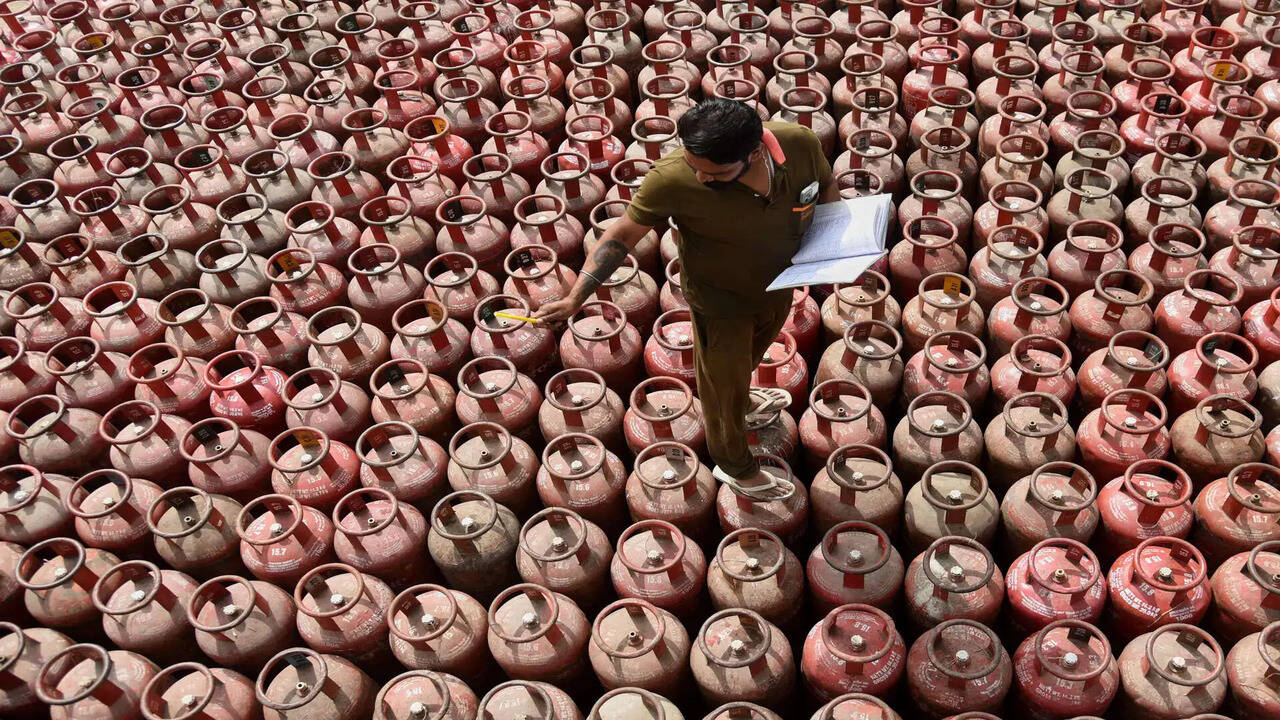
India, the world's second-largest importer of LPG, faces a critical cooking gas crisis. The nation consumed 33.15 million metric tons of LPG last year, with imports accounting for roughly 60% of its total demand. Traditionally, about 90% of these imports originated from the Middle East. However, the recent US-Iran conflict has led to severe disruptions in the Strait of Hormuz, a vital waterway through which a significant portion of India's energy imports typically pass. The tensions have resulted in increased freight costs, delayed shipments, and a dramatic reduction in the availability of LPG, with March imports estimated to have halved compared to February.
The scarcity has compelled the Indian government to implement measures such as cutting LPG supplies to industries to prioritize households, leading to reported delays in cylinder deliveries and even black-market premiums in some regions. Amidst this crisis, India has also been actively working to move its stranded LPG cargoes from the Persian Gulf and is loading empty vessels with available supplies to alleviate the pressure on its thin cooking gas inventories.
While some officials within India's federal shipping ministry were initially reportedly unaware of the details of these specific Iranian cargoes, the overall strategic necessity for India to secure alternative fuel sources during this period of heightened geopolitical instability is clear. This resumption of trade with Iran is viewed as a tactical response to immediate supply pressures rather than a long-term policy realignment, underscoring how energy security decisions are increasingly being shaped by global volatility.
In conclusion, the Telegraph India article's headline is accurate and well-supported by real-time information. India's return to Iranian LPG imports represents a pragmatic step to address an urgent domestic energy crisis, leveraging a temporary geopolitical window, and highlights the profound impact of Middle Eastern conflicts on global energy markets and national energy security strategies.
Frequently Asked Questions
Why has India resumed importing LPG from Iran after so many years?
India has resumed LPG imports from Iran primarily due to a severe domestic cooking gas shortage and disruptions in energy shipments via the Strait of Hormuz, exacerbated by the US-Iran conflict. This was made possible by a temporary waiver of US sanctions on Iranian oil and refined fuels.
What is the significance of the Strait of Hormuz in this context?
The Strait of Hormuz is a crucial global energy waterway through which a significant portion of India's LPG imports typically pass. Ongoing geopolitical tensions and conflicts involving the US and Iran have severely disrupted transit through the strait, leading to delayed cargoes and heightened energy security concerns for India.
How long will India be able to import LPG from Iran under the current conditions?
The current window for India to import Iranian LPG is limited by the temporary US waiver on sanctions, which is expected to expire on April 19, 2026. India is exploring options for further imports, but sustained trade will depend on the evolving geopolitical landscape and the status of US sanctions.
How will the imported Iranian LPG be handled in India?
The approximately 43,000-tonne Iranian LPG cargo, consisting of propane and butane, is expected to dock at New Mangalore Port. It will be shared among India's three state-run fuel retailers—Indian Oil Corporation, Bharat Petroleum Corporation, and Hindustan Petroleum Corporation—with payment made in Indian rupees through a trader.
Is this a long-term shift in India's energy import policy?
While the current resumption of Iranian LPG imports is a strategic and tactical response to immediate supply pressures and a domestic crisis, it is not necessarily indicative of a broader, long-term shift in India's energy policy. The sustainability of this trade depends heavily on the geopolitical environment and the future of US sanctions against Iran.