Pakistan Mobilizes 400K Polio Workers for Nationwide Vaccination Drive
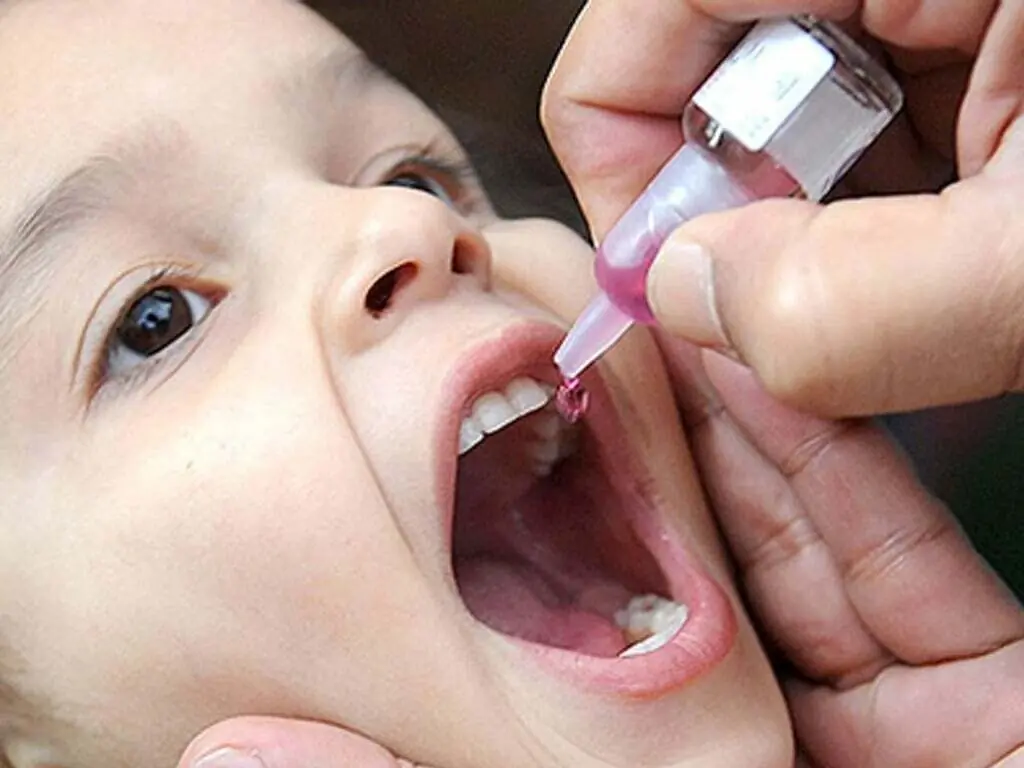
Pakistan has launched its first nationwide polio vaccination campaign of 2026, deploying 400,000 WHO-trained workers to immunize 45 million children. This critical effort aims to eradicate the remaining wild poliovirus in the country and prevent its global spread.
Key Highlights
- 400,000 WHO-trained polio workers mobilized across Pakistan.
- Campaign aims to vaccinate 45 million children under five.
- Pakistan and Afghanistan are the last polio-endemic countries.
- Polio cases have significantly declined but eradication is ongoing.
- Vaccination is crucial to prevent lifelong paralysis.
- Door-to-door vaccination targets all eligible children.
Pakistan has initiated its first nationwide polio vaccination campaign of 2026, deploying a formidable force of 400,000 World Health Organization (WHO)-trained polio workers to immunize an estimated 45 million children. This extensive campaign, which began in early February 2026, signifies a critical step in the ongoing global effort to eradicate poliomyelitis. The primary objective is to reach every child under the age of five with the life-saving oral polio vaccine (OPV), targeting any remaining pockets of wild poliovirus transmission within Pakistan and preventing its spread across borders.
Over the past three decades, Pakistan, in collaboration with international partners and its own dedicated health workforce, has made significant strides in reducing polio cases. From an estimated 20,000 cases in the early 1990s, the number of reported cases has dwindled to just 31 in 2025, demonstrating the immense impact of sustained vaccination efforts [3, 7, 8, 9, 11, 14, 15, 25]. However, Pakistan, along with neighboring Afghanistan, remains one of the last two countries in the world where wild polio virus is still endemic [3, 8, 14, 22, 24, 25]. This persistent presence underscores the urgent need for continuous, comprehensive vaccination drives to achieve complete eradication.
The mobilization of 400,000 frontline workers is a testament to the scale and complexity of this public health undertaking. These dedicated individuals, often working in challenging terrains and remote settlements, go door-to-door, administering the two drops of OPV that offer the only protection against a virus that has no cure and can cause irreversible lifelong paralysis or death [2, 3, 4, 16]. Their efforts are supported by the Polio Eradication Initiative, a collaborative effort involving the Pakistani government and international organizations like the WHO and UNICEF [3, 10, 16].
The vaccination campaigns are meticulously planned and executed, with specific targets set for each province. For instance, in the February 2026 campaign, Punjab aims to vaccinate over 22.9 million children, Sindh over 10.5 million, Khyber Pakhtunkhwa over 7.13 million, and Balochistan over 2.36 million, among other regions [9]. Mop-up activities are also conducted in high-risk areas to ensure that no child is missed, particularly in remote or security-sensitive districts [9].
Despite the progress, challenges persist. Security threats and misinformation have historically hampered vaccination efforts, with militants sometimes targeting health workers and spreading false claims about the vaccine's purpose [20, 26]. However, authorities continue to implement stringent security measures, deploying thousands of police officers to protect vaccination teams [6, 8, 13, 22]. Furthermore, ongoing surveillance, including environmental sampling, plays a crucial role in monitoring poliovirus circulation and informing response strategies [3, 7, 15].
The relevance of this campaign extends beyond Pakistan's borders. Given the porous border with Afghanistan, synchronized vaccination efforts between the two countries are vital to interrupt cross-border transmission [8, 24]. For India, which has worked tirelessly to maintain its polio-free status, the situation in Pakistan remains a significant concern, necessitating continued vigilance and robust border health measures [18, 19, 27, 28].
The success of these campaigns is a collective responsibility, relying on the cooperation of parents, caregivers, community leaders, and healthcare professionals. The commitment of Pakistan and its partners to achieve polio eradication is unwavering, driven by the understanding that no child is safe until every child is safe from this devastating disease. The journey towards a polio-free world is nearing its end, but the final steps require intensified efforts and complete global support.
Frequently Asked Questions
What is the goal of Pakistan's nationwide polio vaccination campaign?
The primary goal is to vaccinate 45 million children under the age of five with the oral polio vaccine to eradicate wild poliovirus, prevent paralysis, and stop its transmission.
How many polio workers are involved in the campaign?
Approximately 400,000 WHO-trained polio workers have been mobilized for this nationwide campaign.
Why is Pakistan still a focus for polio eradication?
Pakistan, along with Afghanistan, remains one of the last two countries where polio is endemic, meaning the wild poliovirus continues to circulate.
What are the potential risks associated with polio?
Polio is a serious disease that can cause irreversible lifelong paralysis or even death in children.
What is the historical context of polio in Pakistan?
Over the past three decades, polio cases in Pakistan have been reduced by over 99.8%, from an estimated 20,000 in the early 1990s to just 31 cases in 2025, demonstrating significant progress.