PM Vows Strict Action on Paper Leaks, Aims for Foolproof Exams
Prime Minister Modi has strongly vowed to punish paper leakers and implement a foolproof examination system, emphasizing national responsibility amidst widespread NEET-UG protests and parliamentary debates over exam integrity.
Key Highlights
- PM Modi pledges stringent punishment for paper leakers.
- Government commits to creating a 'foolproof' examination system.
- Statements made amidst nationwide NEET-UG paper leak protests.
- PM urges Centre-state cooperation to combat exam fraud.
- Calls for shunning partisan politics on national issue.
- Public Examinations (Prevention of Unfair Means) Act, 2024 cited.
The article "Won't spare paper leakers, making exams foolproof: PM - The Times of India" published on July 22, 2026, is a verified news story reporting on Prime Minister Narendra Modi's strong stance against examination paper leaks amidst the ongoing NEET-UG controversy and related protests across India. The headline accurately reflects the key messages conveyed by the Prime Minister.
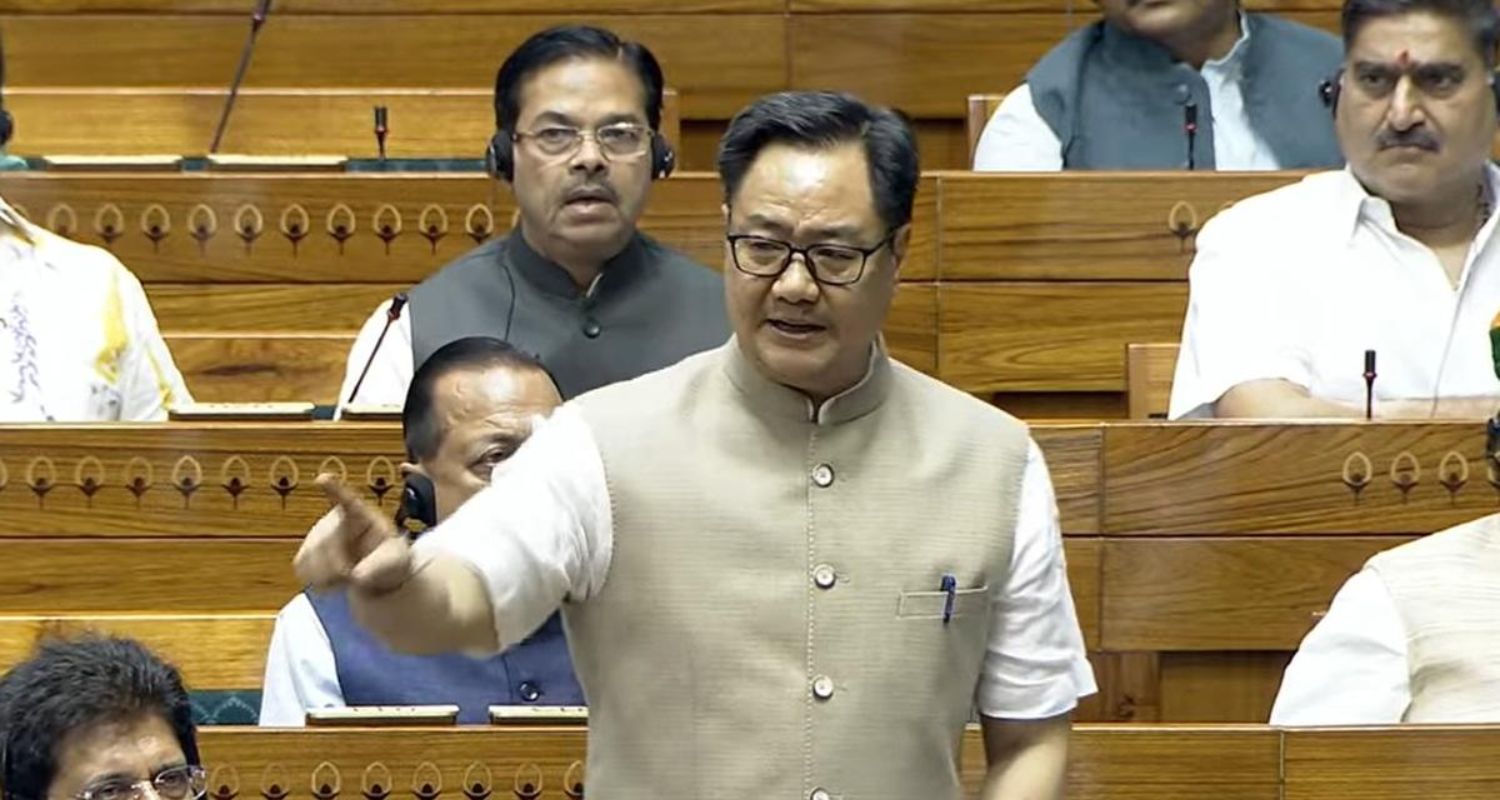
During an NDA Parliamentary Party meeting, often referred to as 'Mangal Milan', held on Tuesday, July 21, 2026, PM Modi addressed lawmakers and senior leaders, emphasizing the government's resolute commitment to safeguarding the future of India's youth and ensuring the integrity of the examination system. Union Parliamentary Affairs Minister Kiren Rijiju briefed the media on the Prime Minister's remarks, stating that Modi unequivocally declared that the government would "spare no means to ensure stringent punishment to the accused behind NEET paper leak" and that "those responsible will not be spared". This assertion was echoed across multiple credible news outlets, which reported the Prime Minister's call for the "strictest possible punishment" for those involved in these illicit activities.
Furthermore, PM Modi articulated a clear vision for reforming the examination process, stressing the need to implement measures to make the system "foolproof". He urged for collective efforts from all stakeholders to build a transparent and unassailable evaluation ecosystem, ensuring that such irregularities are prevented in the future. This commitment comes in the wake of widespread public outrage and student-led protests, notably by the Cockroach Janta Party (CJP), demanding accountability and systemic reforms following the alleged leak of the NEET-UG examination paper. The protests have led to significant disruptions, including clashes with police and demands for the resignation of Union Education Minister Dharmendra Pradhan.
The Prime Minister also highlighted that paper leaks are not merely an issue confined to a single state or the central government but represent a "national responsibility" requiring a united response. He called for shunning partisan politics over the issue, emphasizing that the future of the nation's youth transcends political differences. Modi appealed to both central and state governments to collaborate closely in tackling this menace, ensuring not only strict punishment for the guilty but also the implementation of robust preventative mechanisms. In this regard, he referenced the Public Examinations (Prevention of Unfair Means) Act, 2024, enacted by his government, as a significant legislative step towards addressing the problem.
The Prime Minister assured the public that the government had acted swiftly upon receiving reports of the NEET paper leak, leading to the arrest of 13 individuals implicated in the case. He further noted that the re-examination was conducted successfully, and results were declared without undue delay, prioritizing the welfare and academic continuity of the affected students. Modi also urged legal experts to contribute their efforts to ensure that those involved in paper leak rackets face the most severe penalties, setting a strong deterrent for potential offenders. This comprehensive approach underscores the government's intent to restore public confidence in India's competitive examination system.
The ongoing Monsoon Session of Parliament has seen continuous debates and protests by opposition parties, who are pressing for detailed discussions on the NEET-UG paper leak issue and demanding a statement from the Prime Minister in the House. While the government, through Kiren Rijiju, has expressed readiness for a discussion, it has urged opposition parties to cooperate in deciding the procedural framework and duration of the debate. The intensity of the protests and parliamentary discussions underscores the critical importance of this issue for the Indian populace, especially the student community and their families. The Prime Minister's direct intervention and firm statements aim to reassure the public of the government's commitment to delivering justice and preventing future occurrences of such detrimental incidents. The government's emphasis on a coordinated approach between the Centre and states, coupled with stringent legal measures, highlights a multifaceted strategy to address the deeply entrenched problem of examination malpractices and uphold the sanctity of public examinations.
Frequently Asked Questions
What is the primary concern addressed by PM Modi regarding examinations?
PM Modi's primary concern is to curb examination paper leaks and establish a 'foolproof' system to ensure the integrity and fairness of competitive exams across India.
What actions has the government taken in response to recent paper leaks, particularly NEET-UG?
The government has taken swift action, including arresting 13 individuals involved in the NEET-UG paper leak case, conducting a re-examination, and enacting the Public Examinations (Prevention of Unfair Means) Act, 2024, to deter such incidents.
What is PM Modi's stance on political involvement in the paper leak issue?
PM Modi has urged political parties to refrain from politicizing the issue, emphasizing that preventing paper leaks is a 'national responsibility' that requires collaborative efforts from both central and state governments.
Who conveyed PM Modi's statements to the media?
Union Parliamentary Affairs Minister Kiren Rijiju conveyed PM Modi's statements to the media following the NDA Parliamentary Party's 'Mangal Milan' meeting.
What is the 'Public Examinations (Prevention of Unfair Means) Act, 2024'?
The Public Examinations (Prevention of Unfair Means) Act, 2024, is the first central law of its kind enacted by the Indian government to specifically deal with the menace of paper leaks and other unfair means in public examinations.