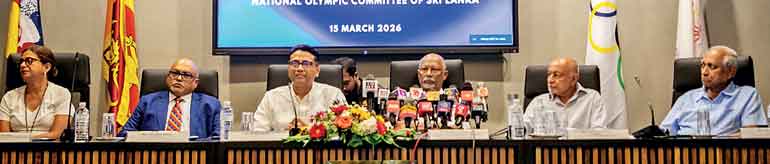
Sri Lanka Declares Wednesdays Off Amidst Fresh Fuel Crisis and Middle East Conflict
Sri Lanka has reintroduced a four-day work week for its public sector, declaring Wednesdays a holiday, to conserve fuel. This measure, effective March 18, 2026, is a direct response to a new fuel crisis exacerbated by global oil supply disruptions stemming from an escalating Middle East conflict. Several other Asian nations are also implementing various energy-saving initiatives.
Key Highlights
- Sri Lanka declares Wednesdays a public sector holiday to save fuel.
- Measure effective from March 18, 2026, impacting government offices and schools.
- New fuel crisis driven by escalating Middle East conflict and global supply disruptions.
- Other Asian countries also implementing fuel conservation strategies.
- Follows a similar, but distinct, four-day week during the 2022 economic crisis.
- Fuel rationing system (QR code) also revived to manage demand.
Sri Lanka has once again implemented a shorter work week for its public sector, declaring Wednesdays as a holiday, effective from March 18, 2026, in a proactive move to conserve fuel amid a fresh national and global energy crisis. This decision, which also extends to schools and universities, aims to reduce commuting and preserve the nation's scarce fuel reserves as it braces for potential long-term disruptions stemming from an escalating conflict in the Middle East involving the United States and Iran.
This current fuel conservation effort is a direct response to global oil market volatility, with crude oil prices surpassing $100 per barrel, a level not seen since 2022. The Strait of Hormuz, a critical waterway for global oil exports, has been effectively closed due to the ongoing conflict, leading to widespread concerns about energy supplies. Sri Lankan President Anura Kumara Dissanayake chaired an emergency meeting on March 15, 2026, to review the potential impact of these disruptions.
Commissioner-General of Essential Services, Prabath Chandrakeerthi, confirmed that state institutions would operate only four days a week. The government has also urged the private sector to adopt similar measures, including declaring Wednesdays a holiday, and is encouraging civil servants to work from home where feasible to further limit fuel consumption. Additionally, all public ceremonies have been suspended, and a digital 'Fuel Pass QR code' rationing system, initially introduced during the 2022 economic crisis, has been revived to regulate consumption and prevent panic buying. This QR system allocates weekly fuel quotas to motorists, though three-wheeler drivers have already voiced concerns that the 15-litre weekly allocation is insufficient for their livelihoods.
Sri Lanka, being entirely dependent on oil imports and also purchasing coal for electricity, is particularly vulnerable to such global supply shocks. While authorities confirm adequate fuel stocks for approximately two months, public panic and hoarding have already led to a significant increase in daily fuel consumption, prompting these stringent measures.
This is not the first time Sri Lanka has resorted to a four-day work week due to energy woes. In June 2022, during its worst financial crisis in decades, the government approved a four-day work week for public sector employees, granting them Fridays off for three months. That earlier measure was introduced to mitigate chronic fuel shortages for commuting and, critically, to encourage workers to engage in backyard farming to address a looming food shortage. The 2022 crisis was primarily domestic, caused by a severe foreign exchange shortage that prevented the country from financing essential imports. The current situation, however, is being framed as a global crisis driven by geopolitical tensions.
Beyond Sri Lanka, several other Asian countries are also grappling with rising fuel costs and implementing various energy-saving strategies in response to the Middle East conflict:
* **Philippines:** President Ferdinand Marcos has announced a four-day government work week and ordered public officials to reduce air conditioning use and travel to save fuel.
* **Pakistan:** Prime Minister Shehbaz Sharif has announced extensive austerity and fuel conservation measures, including major cuts in government fuel consumption, a 50% cut in fuel allowances for government departments, taking 60% of official vehicles off roads, and closing schools for two weeks while universities shift to online classes to reduce commuting.
* **Bangladesh:** The government has introduced fuel rationing, limited daily fuel sales, closed all universities, and advanced Eid al-Fitr holidays to conserve fuel and electricity.
* **South Korea:** President Lee Jae Myung announced plans to cap domestic fuel prices for the first time in nearly three decades to contain price increases, citing the significant burden on the economy due to reliance on global trade and energy imports.
* **Thailand:** The Ministry of Defense recommended reducing air conditioning use and utilizing video conferencing to avoid unnecessary travel. Prime Minister Anutin Charnvirakul also urged citizens not to stockpile fuel and announced plans to cap diesel prices temporarily.
* **Myanmar:** The military government has implemented alternating vehicle driving days based on license plate numbers to reduce fuel demand.
The comprehensive measures across the region underscore the significant economic and logistical challenges posed by the renewed global energy crisis, affecting daily life and government operations across Asia. Sri Lanka's proactive steps are an attempt to manage this international challenge and prevent a recurrence of the severe hardships experienced during its 2022 economic meltdown.
Frequently Asked Questions
Why has Sri Lanka declared Wednesdays a holiday for its public sector?
Sri Lanka has declared Wednesdays a holiday for its public sector starting March 18, 2026, primarily to conserve fuel. This decision is a direct response to a new fuel crisis caused by global oil supply disruptions, which are linked to an escalating conflict in the Middle East.
Is this the first time Sri Lanka has implemented a four-day work week for fuel conservation?
No, Sri Lanka also implemented a four-day work week (Fridays off) for its public sector in June 2022 during a severe economic crisis. However, that measure was primarily due to a domestic foreign exchange shortage and also aimed to encourage food cultivation, distinguishing it from the current global crisis-driven Wednesday holiday.
Which other Asian countries are affected by the current fuel crisis and taking conservation measures?
Several other Asian countries are taking measures. The Philippines has announced a four-day government work week, Pakistan has implemented extensive austerity measures and fuel cuts, Bangladesh has introduced fuel rationing and university closures, South Korea has capped fuel prices, Thailand is promoting reduced AC use and video conferencing, and Myanmar has implemented alternating vehicle driving days.
What is causing the current global fuel crisis impacting Asia?
The current global fuel crisis is largely attributed to an escalating conflict in the Middle East, particularly involving the United States and Iran, which has led to disruptions in global oil supplies and concerns about shipping routes like the Strait of Hormuz. This geopolitical instability has caused global crude oil prices to surge.
What other measures has Sri Lanka taken to manage the fuel situation?
In addition to the Wednesday holiday, Sri Lanka has revived its digital 'Fuel Pass QR code' rationing system to manage demand and prevent panic buying. The government has also urged the private sector to adopt similar conservation efforts and civil servants to work from home where possible.