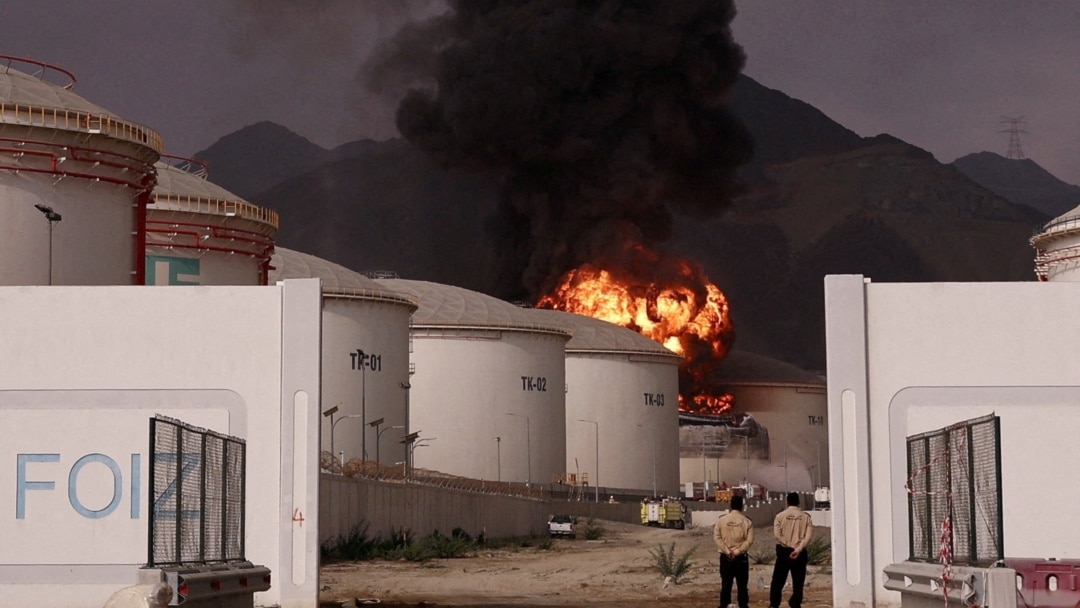
Middle East War: Iran Retaliates on Gulf Energy After Israel Strikes Gas Field
An escalating conflict in the Middle East has seen Iran launch widespread retaliatory attacks on oil refineries and natural gas facilities across Kuwait, Qatar, Saudi Arabia, and the UAE, following an Israeli strike on Iran's South Pars natural gas field. These actions have severely impacted global energy markets and raised concerns over regional stability and supply chains.
Key Highlights
- Iran launched retaliatory strikes on multiple oil and gas facilities across the Middle East.
- Attacks followed Israel's strike on Iran's South Pars natural gas field.
- Targets included Qatar's Ras Laffan LNG hub, Kuwaiti oil refineries, Saudi Arabia's SAMREF, and UAE's Habshan and Bab fields.
- Global oil and natural gas prices have surged significantly due to the escalation.
- The conflict threatens the Strait of Hormuz, a critical global energy chokepoint.
- International calls for de-escalation are mounting amid fears of wider regional war.
The Middle East is currently experiencing a critical escalation in conflict, as Iran has launched widespread retaliatory attacks on key energy infrastructure across several Gulf nations. These strikes followed an earlier attack, reportedly by Israel, on Iran's vast South Pars natural gas field on March 18, 2026. The South Pars field, shared with Qatar, is recognized as the world's largest natural gas field and a vital component of global energy supplies.
Iran's counter-attacks on March 19, 2026, targeted a range of critical energy facilities. In Qatar, missile strikes caused what authorities described as 'extensive damage' and 'sizeable fires' at the Ras Laffan Industrial City, a pivotal global hub for liquefied natural gas (LNG). QatarEnergy confirmed damage to its Pearl GTL (Gas-to-Liquids) facility and other LNG facilities, leading to a complete halt in the country's gas production. Simultaneously, Kuwait reported drone attacks on two of its oil refineries, Mina Al-Ahmadi and Mina Abdullah, resulting in fires. Saudi Arabia's SAMREF refinery in the Red Sea port of Yanbu, a joint venture between Saudi Aramco and Exxon Mobil, was also targeted by an aerial attack. While initial reports indicated minimal impact, the incident underscored the broad reach of the Iranian retaliation. Furthermore, the United Arab Emirates (UAE) denounced Iranian attacks on its Habshan gas facility and Bab field, calling it a 'dangerous escalation.' Operations at these facilities were reportedly shut down after aerial interceptions.
These escalating hostilities have sent shockwaves through global energy markets. Oil and natural gas prices have surged dramatically, with international benchmark Brent crude rising significantly, surpassing $115 per barrel. Analysts warn that the conflict is now directly impacting the 'plumbing of the global energy system,' raising fears of a debilitating wave of inflation worldwide, particularly for economies heavily reliant on energy imports like India.
The broader context of this conflict involves an ongoing 'war' in the Middle East that has been active for several weeks, involving Israel, the United States, and Iran. Reports also indicate that Iranian lawmakers are considering imposing transit fees and taxes on ships traversing the strategic Strait of Hormuz. This vital waterway, through which approximately one-fifth of the world's oil supply passes, has already seen maritime traffic brought to a near standstill due to the conflict and Iranian threats. Any further disruption or closure of the Strait of Hormuz would have severe global economic consequences.
The United States has also been involved, with President Donald Trump denying US involvement in the initial Israeli strike on South Pars but issuing a stark warning that the US would 'massively blow up' the Iranian facility if Tehran were to attack Qatar's energy infrastructure again. The conflict has also involved the killing of Iranian officials, further intensifying the cycle of retaliation. International bodies and leaders have called for de-escalation to prevent further civilian casualties and restore regional stability. The situation remains highly volatile, with the direct targeting of energy infrastructure marking a significant and dangerous intensification of hostilities that carries grave implications for global energy security and geopolitical stability.
Frequently Asked Questions
What prompted Iran's attacks on Middle Eastern energy facilities?
Iran's attacks were a direct retaliation to an alleged Israeli strike on Iran's South Pars natural gas field on March 18, 2026, which is part of the world's largest gas resource.
Which countries' energy infrastructures were targeted by Iran?
Iran targeted major energy facilities in Qatar (Ras Laffan Industrial City), Kuwait (Mina Al-Ahmadi and Mina Abdullah refineries), Saudi Arabia (SAMREF refinery in Yanbu), and the United Arab Emirates (Habshan gas facility and Bab field).
What is the impact of these attacks on global energy markets?
The attacks have caused a significant surge in global oil and natural gas prices, with Brent crude rising above $115 per barrel. This escalation raises serious concerns about a potential global energy crisis and inflationary pressures.
How does the conflict affect the Strait of Hormuz?
The Strait of Hormuz, a critical chokepoint for a fifth of global oil supplies, is severely impacted. Iranian lawmakers have proposed levying transit fees, and maritime traffic through the strait has been brought to a near standstill, threatening global trade routes.
What is the international response to this escalation?
Several nations and international bodies have expressed grave concern, with calls for immediate de-escalation to prevent further destabilization of the region and to mitigate the global economic fallout. US President Trump also issued warnings regarding attacks on Qatar's energy infrastructure.