US Iran Tensions: Trump Sets Nuclear Deal Deadline Amid Fortification of Military Site
Amid escalating US-Iran tensions, satellite imagery reveals Iran has fortified a sensitive military site with a concrete shield. Simultaneously, US President Donald Trump has issued a 10-15 day deadline for Iran to reach a nuclear deal, warning of severe consequences if negotiations fail. This development occurs amidst ongoing diplomatic efforts and a significant US military buildup in the region. India maintains diplomatic ties with Iran, focusing on trade and cultural exchange, though it also aligns with international concerns regarding Iran's nuclear program.
Key Highlights
- Iran fortifies sensitive military site with concrete shield, satellite images show.
- US President Trump issues 10-15 day deadline for Iran nuclear deal.
- Tensions rise with significant US military buildup in the Middle East.
- Diplomatic talks between US and Iran continue amid uncertainty.
- India maintains relations with Iran, balancing trade and global concerns.
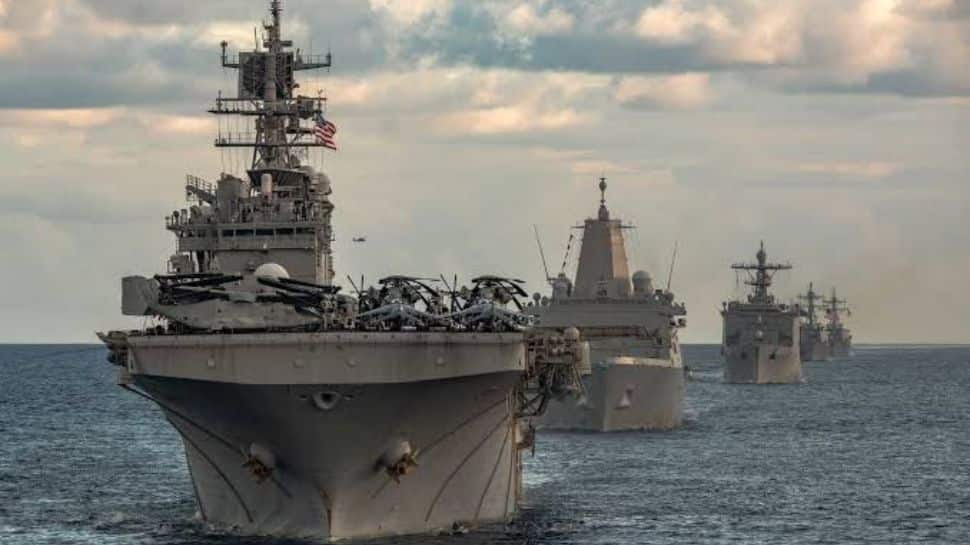
Escalating tensions between the United States and Iran have taken center stage with recent satellite imagery revealing significant fortification efforts by Iran at a sensitive military site. Specifically, a new structure at the Parchin complex, located southeast of Tehran, has been covered with a concrete shield and soil, a move experts suggest is a defensive measure against potential aerial attacks. This development comes amid a backdrop of heightened geopolitical maneuvering, with the US conducting a substantial military buildup in the Middle East, deploying multiple aircraft carrier strike groups and fighter jets to the region. Concurrent with these military developments, US President Donald Trump has issued a stark warning to Iran, setting a deadline of 10 to 15 days for the nation to reach a "meaningful" agreement on its nuclear program. Trump has explicitly stated that failure to secure a deal will result in "bad things" happening, hinting at potential further military action. This ultimatum comes as diplomatic talks between the US and Iran continue, albeit with significant challenges and a persistent gap between the two nations' positions, particularly concerning uranium enrichment. The International Atomic Energy Agency (IAEA) has also expressed concern, noting that Iran's diplomatic window is closing. The Parchin complex has long been a focal point of international concern, with Western intelligence agencies having long suspected that nuclear explosive testing occurred there. While Iran consistently maintains that its nuclear program is solely for peaceful civilian purposes, and neither US intelligence nor the UN nuclear watchdog has reported finding concrete evidence of Iran developing nuclear weapons in recent times, the fortification of such a sensitive site amidst heightened tensions fuels existing suspicions. The fortification includes the construction of a "concrete sarcophagus" around a newly built facility identified as Taleghan 2, which experts believe could provide significant protection from aerial attacks. Additionally, satellite images indicate that Iran has buried tunnel entrances at the Isfahan nuclear complex and reinforced other tunnels, suggesting a broader strategy of defensive hardening. Historically, India and Iran share deep civilizational and cultural ties dating back millennia, with diplomatic relations formally established in 1950. Contemporary relations are characterized by robust trade, particularly in crude oil imports to India and diesel exports to Iran, as well as cooperation in areas such as pharmaceuticals and disaster relief. India has also provided COVID-19 vaccines and medical supplies to Iran. Politically, both nations have engaged in high-level exchanges, with agreements like the Tehran Declaration (2001) and New Delhi Declaration (2003) setting a strategic vision for their partnership. However, India has also expressed opposition to Iran's nuclear program and, in recent years, has voiced stronger support for Israel, creating a nuanced dynamic in their bilateral relationship. The current geopolitical situation, marked by the direct confrontation between the US and Iran, is of significant interest to India due to its strategic location and economic ties in the region. India's participation in initiatives like the Chabahar Port further underscores its engagement with Iran. The unfolding events highlight the precarious balance between diplomatic resolution and the potential for military escalation, with implications that extend beyond the immediate actors involved, impacting regional stability and global energy markets.
Frequently Asked Questions
What is the significance of the concrete shield at Iran's military site?
Satellite imagery indicates Iran has constructed a concrete shield and covered a new facility at the Parchin military complex with soil. Experts suggest this "concrete sarcophagus" is a defensive measure to protect the site from potential aerial attacks, especially given its history and Western suspicions about its activities related to nuclear development.
What is President Trump's deadline for Iran regarding the nuclear deal?
US President Donald Trump has set a deadline of 10 to 15 days for Iran to reach a "meaningful" agreement on its nuclear program, warning of severe consequences if no deal is made. This ultimatum is part of ongoing diplomatic efforts amidst a significant US military buildup in the region.
What is the current status of US-Iran nuclear negotiations?
Diplomatic talks between the US and Iran are ongoing but face significant challenges. While some "guiding principles" may have been agreed upon, a gap remains, particularly on uranium enrichment. The IAEA has warned that Iran's diplomatic window is closing, and uncertainty persists due to the escalating tensions and military posturing.
How do these events impact India?
India maintains diplomatic and trade relations with Iran, including cooperation on energy and connectivity projects like Chabahar Port. However, India also shares international concerns regarding Iran's nuclear program. The escalating US-Iran tensions in the region are of strategic and economic importance to India, influencing its foreign policy considerations in the broader geopolitical landscape.