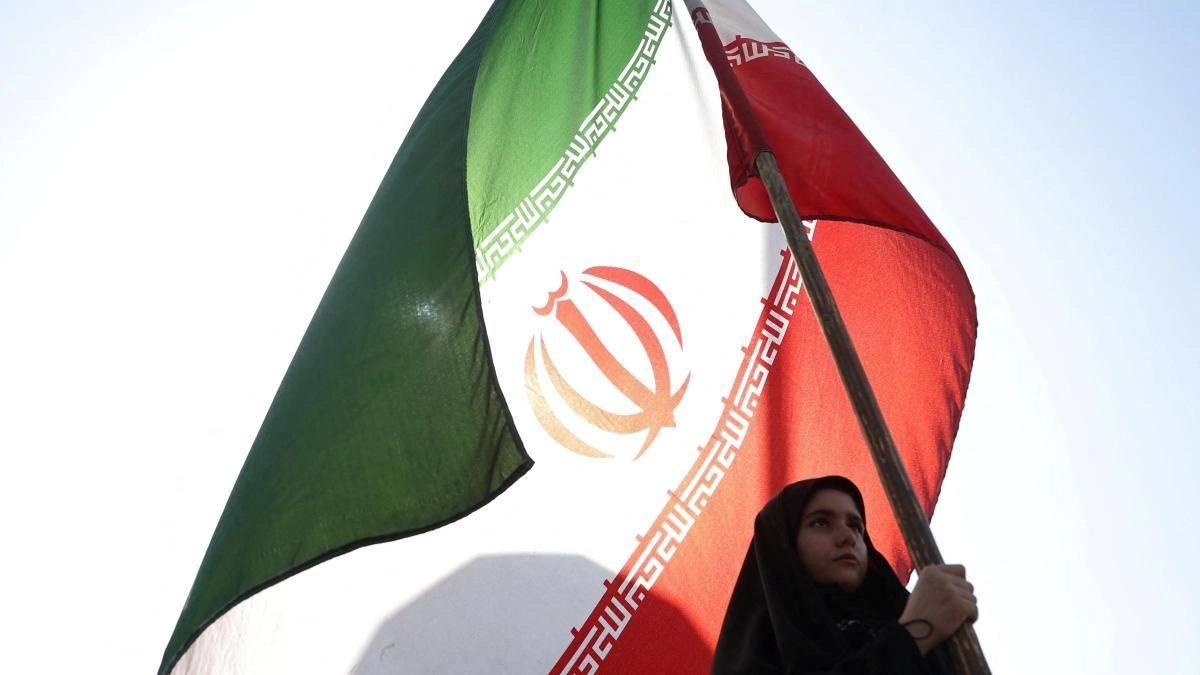
US, Iran Sign Interim Deal to Halt West Asia Conflict
U.S. President Donald Trump and Iranian President Masoud Pezeshkian have signed a Memorandum of Understanding (MOU) to halt the ongoing West Asia conflict. The interim agreement, mediated by Pakistan and Qatar, aims for an immediate ceasefire, reopening the Strait of Hormuz, and sets a 60-day period for negotiating a comprehensive peace deal, including nuclear program restrictions and sanctions relief.
Key Highlights
- US and Iran sign interim MOU to end West Asia war.
- Agreement includes immediate ceasefire and Strait of Hormuz reopening.
- Iran agrees to dilute enriched uranium; sanctions relief for oil.
- 60-day window set for negotiations on a final nuclear deal.
- Pakistan and Qatar mediated the significant bilateral agreement.
In a significant diplomatic development, U.S. President Donald Trump and Iranian President Masoud Pezeshkian signed a Memorandum of Understanding (MOU) on Wednesday, June 17, 2026, aimed at bringing an immediate end to the ongoing West Asia war. The conflict, which reportedly began on February 28 with actions by the United States and Israel and subsequent Iranian counterattacks, had led to the effective shutdown of the crucial Strait of Hormuz.
The signing of this interim agreement, formally known as the 'Islamabad Memorandum of Understanding,' took place remotely. President Trump affixed his signature in Versailles, France, following a G7 summit, while Iranian President Pezeshkian also signed the document. Earlier, a digital signing had occurred between U.S. Vice President J.D. Vance and Iranian Parliament Speaker Mohammad-Bagher Ghalibaf. Pakistani Prime Minister Shehbaz Sharif confirmed the deal's immediate effect, highlighting Pakistan's role as a mediator alongside Qatar.
The MOU is not a final peace treaty but rather a framework agreement establishing a 60-day ceasefire and outlining a pathway for comprehensive negotiations. A central tenet of the agreement is the 'immediate and permanent termination of military operations on all fronts,' including in Lebanon, underscoring a commitment to de-escalate regional tensions.
Key provisions of the 14-point MOU include Iran's commitment to dilute its enriched uranium stocks, with the broader specifics of its nuclear program to be addressed during the 60-day negotiation period. In return, the United States has pledged to immediately waive oil sanctions that have crippled Iran's economy and committed to lifting all types of sanctions, including those from UN Security Council resolutions, as part of a final deal. Furthermore, the U.S. will facilitate the release of frozen Iranian assets and, with regional partners, will develop a plan for at least $300 billion for Iran's reconstruction and economic development. The agreement also mandates the immediate removal of the U.S. naval blockade on the Strait of Hormuz, with full lifting expected within 30 days, enabling the free flow of oil and global commerce.
This new agreement marks a significant departure from the Trump administration's earlier stance on Iran, which saw the U.S. withdraw from the multilateral Joint Comprehensive Plan of Action (JCPOA), commonly known as the Iran nuclear deal, in May 2018 and reimpose stringent sanctions under a 'maximum pressure' campaign. The current administration claims this bilateral MOU is superior to the Obama-era JCPOA, emphasizing that it will do more to prevent Iran from acquiring nuclear weapons, a commitment Iran reaffirms in the new document.
International reactions have been mixed. G7 leaders reportedly praised President Trump's 'strong leadership' in securing the deal. However, Israel has continued limited strikes in Lebanon since the agreement was announced, and Israeli leaders have voiced criticism, fearing that the deal might not adequately address Iran's nuclear ambitions or support for proxies like Hezbollah. The vagueness of some aspects of the MOU and the requirement for further negotiations have also raised skepticism.
For India, a resolution to the West Asia conflict and the reopening of the Strait of Hormuz are of paramount importance. India, a major energy importer, is heavily reliant on stable oil supplies and maritime trade routes through the region. The potential for large-scale economic relief for Iran could also open new avenues for Indian trade and investment. Prime Minister Narendra Modi reportedly discussed the issue of seafarers' safety with President Trump, calling for their protection within the proposed peace deal with Iran. The agreement represents a critical moment for regional stability and global economic security, with the next 60 days of negotiations being crucial for shaping the long-term future of U.S.-Iran relations and the broader West Asia region.
Frequently Asked Questions
What is the recently signed deal between the U.S. and Iran?
The U.S. and Iran have signed a Memorandum of Understanding (MOU), an interim agreement establishing an immediate ceasefire in the ongoing West Asia conflict and setting a 60-day period for negotiating a comprehensive peace deal.
Who signed the deal, and where did it take place?
U.S. President Donald Trump and Iranian President Masoud Pezeshkian remotely signed the MOU on June 17, 2026. President Trump signed in Versailles, France, while attending a G7 summit. Earlier, a digital signing by U.S. Vice President J.D. Vance and Iranian Parliament Speaker Mohammad-Bagher Ghalibaf also occurred.
What are the immediate implications of this agreement?
The agreement calls for an immediate and permanent termination of military operations in West Asia, including in Lebanon, and the immediate waiver of U.S. oil sanctions on Iran. Crucially, it also entails the immediate removal of the U.S. naval blockade on the Strait of Hormuz, allowing for the resumption of global shipping.
How does this deal compare to the previous Iran nuclear deal (JCPOA)?
Unlike the multilateral JCPOA from which the Trump administration withdrew in 2018, this new MOU is a bilateral agreement between the U.S. and Iran. While it sets the stage for talks on Iran's nuclear program and sanctions relief, it's an initial framework, not a detailed final agreement like the JCPOA was. The Trump administration claims it is superior in preventing Iran from acquiring nuclear weapons.
What role did other countries play in mediating the deal?
Pakistan and Qatar played significant mediating roles in facilitating the agreement. Pakistani Prime Minister Shehbaz Sharif confirmed the deal's immediate effect and indicated that both countries would host an official signing ceremony in Switzerland.