Iran's Unsuccessful Missile Attack on Diego Garcia Reveals Extended Range
Iran launched two intermediate-range ballistic missiles at the joint US-UK military base on Diego Garcia, but both failed to hit their targets. This unsuccessful attack, which occurred on March 21, 2026, highlights a significantly greater reach for Iran's missile program than previously acknowledged, raising alarms about escalating tensions in the Indian Ocean region.
Key Highlights
- Iran fired two ballistic missiles at Diego Garcia, a joint US-UK base.
- Both missiles failed to hit the target; one malfunctioned, the other was intercepted.
- The attack reveals Iran's missile range extends beyond its stated 2,000 km limit.
- Incident occurred after UK allowed US to use British bases for strikes against Iran.
- Diego Garcia is a critical strategic military hub in the Indian Ocean.
- The failed strike escalates geopolitical tensions in the Middle East and Indian Ocean.
On March 21, 2026, Iran launched two intermediate-range ballistic missiles targeting the joint United States-United Kingdom military base on Diego Garcia, a strategically vital atoll in the Indian Ocean. The attack was unsuccessful, with neither missile reaching its intended target. One missile reportedly failed mid-flight, while the other was intercepted by a US warship, though the full success of the interception remains unconfirmed. Multiple credible news outlets, including the BBC (as understood and confirmed by several reports), The Wall Street Journal, CNN, Ynet News, and Anadolu Ajansı, corroborated these events.
This attempted strike holds significant implications, primarily revealing that Iran's missile capabilities may far exceed its publicly acknowledged limits. Iranian Foreign Minister Abbas Araghchi had previously stated that Tehran deliberately restricted its missile range to 2,000 kilometers as part of its 'strictly defensive' program. However, Diego Garcia lies approximately 4,000 kilometers (2,500 miles) from Iran, effectively doubling the claimed range and indicating a previously unconfirmed long-range strike capability. This discovery has prompted considerable concern among international defense analysts, as it suggests Iran possesses a greater reach for projecting military power than previously assessed.
The attack occurred amidst a period of heightened tensions between Iran and Western powers. Just hours before the missile launches, the United Kingdom had announced its decision to allow the United States to use British bases for launching strikes against Iranian missile sites. These US operations were linked to threats against shipping routes in the crucial Strait of Hormuz, a key global energy corridor. Iran's Foreign Minister Araghchi had issued a warning prior to the attack, accusing British Prime Minister Keir Starmer of "putting British lives in danger" by allowing UK bases to be used for aggression against Iran and stating that Iran would exercise its right to self-defense. This sequence of events suggests the missile launch was a direct retaliation or a show of force following the UK's policy shift.
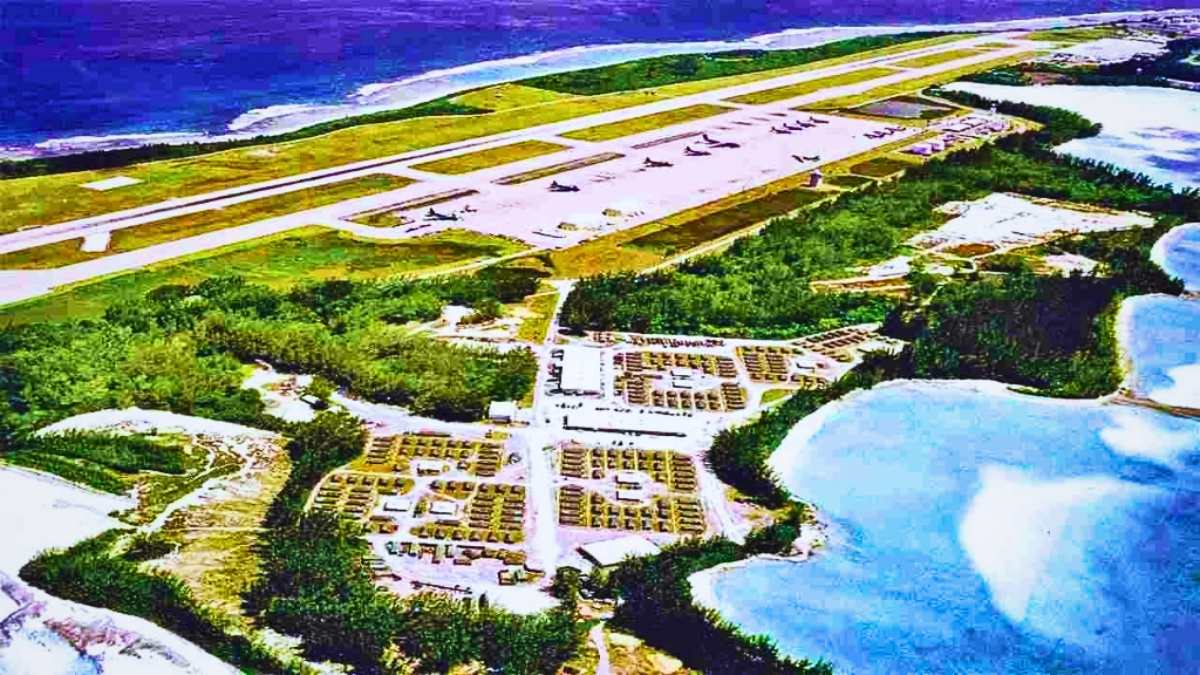
Diego Garcia itself is an integral component of Western military strategy. Located in the British Indian Ocean Territory, the atoll hosts a joint US-UK military facility that has been in operation since the 1970s. It serves as a critical logistic support base for operational forces deployed across the Indian Ocean and Persian Gulf. Known as one of two critical US bomber bases in the Indo-Pacific region (alongside Andersen Air Force Base in Guam), it can accommodate strategic bombers like the B-1, B-2, and B-52, and hosts nuclear submarines and guided-missile destroyers. Its central location makes it an indispensable platform for projecting military power across the Middle East, South Asia, and East Africa, having supported operations during the Persian Gulf War, strikes on Afghanistan, and the Iraq War. The recent deployment of nuclear-capable B-2 Spirit bombers to the island for operations against Houthi rebels in Yemen further underscores its strategic value.
The UK Ministry of Defence condemned Iran's actions, characterizing them as "reckless attacks" that threaten British interests and allies. International bodies have urged de-escalation to prevent a wider regional conflict. For an audience in India, this development is particularly pertinent. The Indian Ocean is a critical maritime space for India's trade and security. An increase in military activity and the revelation of extended missile ranges from Iran directly impact the regional security architecture. Instability in the Strait of Hormuz could disrupt global oil supplies, affecting India's energy security and economy. The presence of advanced military capabilities and the potential for conflict in India's vicinity necessitate close monitoring and strategic consideration. The incident underscores the volatile geopolitical landscape and the need for diplomatic efforts to de-escalate tensions and maintain stability in a vital maritime domain. No casualties were reported from the unsuccessful attack on the base.
This incident marks Iran's first operational use of intermediate-range ballistic missiles to target such a distant and strategically significant installation. It signals a potential expansion in the geographical scope of the confrontation and will likely lead to a reassessment of Iran's military threat by intelligence agencies globally. The broader implications include potential shifts in regional alliances, increased defense spending, and continued instability in the Middle East and surrounding maritime zones.
Frequently Asked Questions
What is Diego Garcia and why is it strategically important?
Diego Garcia is a coral atoll in the British Indian Ocean Territory that hosts a crucial joint US-UK military base. Its strategic importance stems from its central location in the Indian Ocean, which allows for projection of military power across the Middle East, South Asia, and East Africa. It serves as a key hub for air and naval operations, accommodating strategic bombers, guided-missile destroyers, and nuclear submarines.
What does this attack reveal about Iran's missile capabilities?
The unsuccessful missile attack on Diego Garcia reveals that Iran's missile range is significantly greater than its previously stated limit of 2,000 kilometers. The base is approximately 4,000 kilometers from Iran, indicating that Iran possesses intermediate-range ballistic missile capabilities that can reach much further than publicly acknowledged.
Why did Iran target Diego Garcia?
Iran's missile launch came shortly after the United Kingdom announced it would allow the United States to use British bases for strikes against Iranian missile sites linked to threats in the Strait of Hormuz. Iran's Foreign Minister had warned against such actions, stating that British lives would be 'in danger' and that Iran would exercise its right to self-defense, suggesting the attack was a retaliatory act or a show of force.
Was anyone hurt in the attack on Diego Garcia?
No, the attack was unsuccessful and neither of the two missiles launched by Iran hit the Diego Garcia base. One missile reportedly failed mid-flight, and the other was intercepted by a US warship, so there were no reported casualties or damage to the base.
What are the broader implications of this incident for regional stability, especially in the Indian Ocean?
This incident significantly escalates geopolitical tensions in the Middle East and the Indian Ocean. The revelation of Iran's extended missile range could lead to a reassessment of regional defense strategies. For India, it highlights increased instability in a vital maritime corridor, potentially impacting energy security (via the Strait of Hormuz) and necessitating heightened vigilance regarding regional security dynamics.