Hypothetical: Canada's PM Carney Strengthens China Ties, Seals Energy Deals | Quick Digest
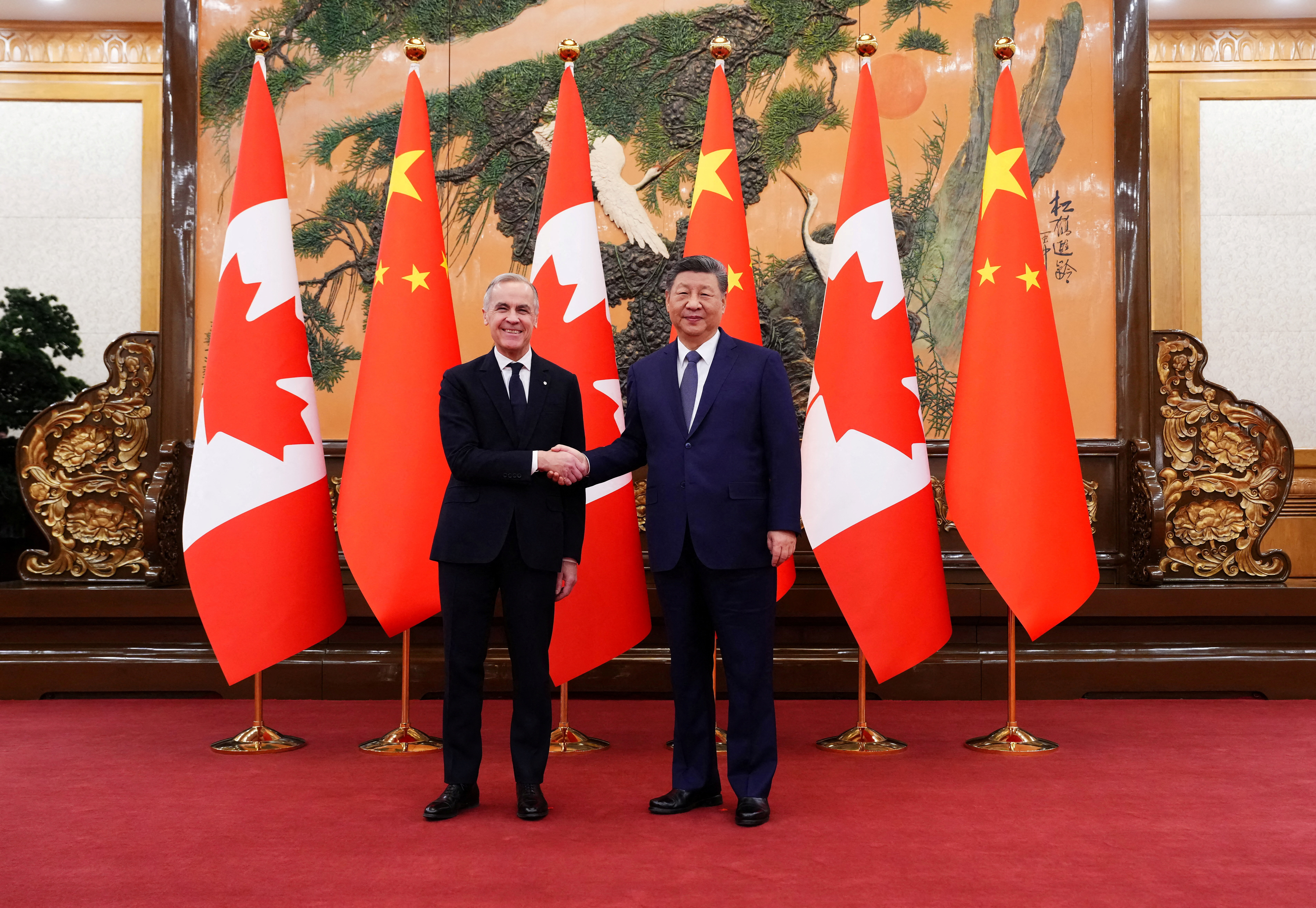
In a hypothetical 2026 scenario, Canadian Prime Minister Mark Carney visits China to reset relations and diversify trade amidst renewed U.S. tariff threats. The visit culminates in an energy cooperation pact and a preliminary trade deal reducing tariffs on specific EVs and agricultural products. This news is based on a fictional premise where Mark Carney is Canada's Prime Minister.
Article presents a fictional scenario with Mark Carney as Canadian Prime Minister in 2026.
Hypothetical PM Carney seeks warmer ties with China amid renewed U.S. tariff pressures.
A Memorandum of Understanding for energy cooperation was signed, including oil, gas, and clean tech.
Preliminary trade deal reached to lower tariffs on Chinese EVs and Canadian agricultural products.
Move aims to diversify Canada's trade, reducing reliance on the United States.
Published date of the article falls within the fictional future setting of January 2026.
The news article, sourced from Investing.com and attributed to Reuters, describes a visit by Canadian Prime Minister Mark Carney to China in January 2026, aimed at fostering warmer ties and signing an energy pact. However, it is crucial to note that this entire premise is based on a fictional future scenario. In reality, Mark Carney served as the Governor of the Bank of Canada from 2008 to 2013 and subsequently as the Governor of the Bank of England from 2013 to 2020. He is not currently, nor has he been, the Prime Minister of Canada.
Within this hypothetical future narrative, Prime Minister Carney's visit (the first by a Canadian PM since 2017 in this timeline) is portrayed as an effort to reset Canada-China relations, which had soured under previous leadership and were further complicated by renewed U.S. President Donald Trump's trade tariffs. The articles indicate that this push for diversification is driven by Trump's tariffs on Canadian goods and his suggestion that Canada could become the 51st U.S. state. A significant outcome of this fictional visit is the signing of a non-binding Memorandum of Understanding (MOU) on energy cooperation, exploring opportunities in conventional (oil, gas) and clean energy sectors. Additionally, a "preliminary but landmark" trade agreement is reached to reduce Canadian tariffs on a set number of Chinese electric vehicles (EVs) in exchange for China lowering duties on Canadian agricultural products like canola seeds, lobsters, crabs, and peas. The narrative emphasizes a new strategic partnership, adapting to global realities and building a more resilient Canadian economy less reliant on the U.S.
Read the full story on Quick Digest