Nepal Arrests Former PM Oli, Ex-Minister Over Protest Deaths
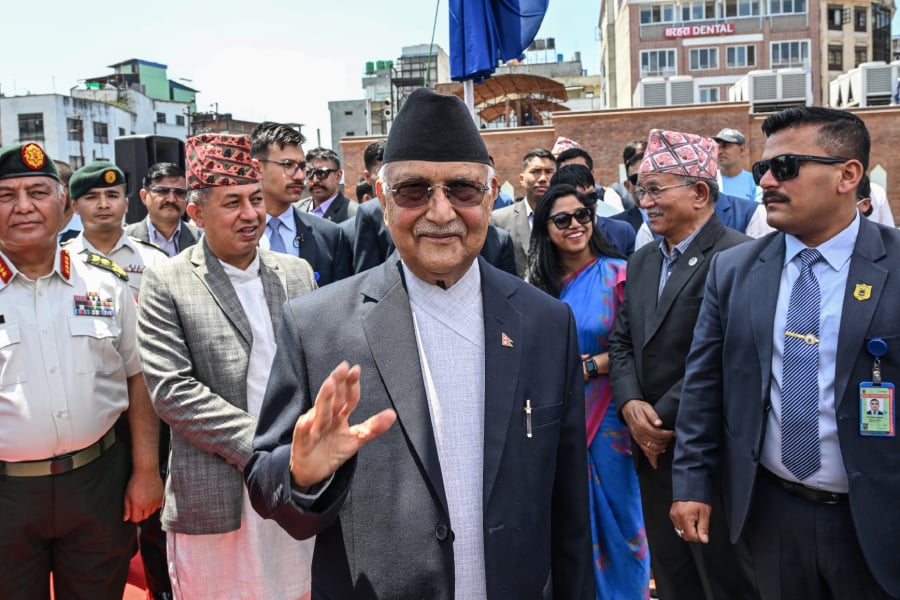
Former Nepal Prime Minister KP Sharma Oli and ex-Home Minister Bal Krishna Khand have been arrested in connection with the deaths of protestors during a Gen Z-led movement. The arrests have sparked significant political reactions within Nepal.
Key Highlights
- Oli and Khand arrested over 2023 protest killings.
- Gen Z movement protested against government policies.
- Arrests trigger political controversy and opposition outcry.
- Focus on accountability for protest-related fatalities.
Former Prime Minister of Nepal, KP Sharma Oli, and former Home Minister Bal Krishna Khand have been arrested in connection with the deaths of protestors during a significant demonstration in September 2023, often referred to as the Gen Z protest. The arrests, carried out by the Nepal Police, have sent ripples through the country's political landscape, leading to strong reactions from opposition parties who have termed the actions as 'political revenge.'
The protests, largely driven by young people, were organized to voice grievances against government policies, particularly those perceived as detrimental to the youth and the general populace. While the specific demands varied, a common thread was a call for greater accountability and reform. Tragically, the demonstrations resulted in fatalities, with reports indicating that several individuals lost their lives amidst the clashes and the government's response.
The arrest of Oli, a prominent political figure and former head of government, along with Khand, who was directly responsible for internal security as Home Minister at the time of the protests, suggests a serious investigation into the chain of command and decision-making that led to the use of force and subsequent deaths. The Nepal Police have initiated investigations, and the arrests are a significant development in the pursuit of justice for the victims and their families.
Opposition parties, including Oli's own party, have vehemently condemned the arrests. They argue that these actions are politically motivated, aimed at weakening the opposition and settling political scores rather than pursuing genuine justice. Statements from various political factions highlight a deep division and a heightened sense of political instability in the country. The calls for 'political revenge' underscore the highly polarized nature of Nepali politics, where state institutions are often perceived as being wielded for partisan advantage.
This incident raises critical questions about the use of state power, the right to protest, and the accountability of political leaders and security forces during public demonstrations. The Nepali judiciary will likely play a crucial role in determining the validity of the charges and the due process followed during the arrests. The international community, while not directly involved, will be observing the developments closely, given Nepal's ongoing efforts to consolidate its democratic institutions.
The broader context involves Nepal's complex political history, characterized by frequent changes in government and political maneuvering. The current government's decision to pursue charges against former high-ranking officials, regardless of the political ramifications, signals a potential shift towards greater accountability. However, the strong backlash from the opposition suggests that the path forward will be fraught with political challenges and public scrutiny.
The arrests are not merely a domestic affair; they have implications for Nepal's political stability and its international image. A swift, fair, and transparent judicial process will be essential to allay concerns about political vendetta and to uphold the rule of law. The focus remains on establishing the facts, determining responsibility, and ensuring that justice is served for those who lost their lives during the protests. The coming days and weeks are expected to witness intense political activity and legal proceedings as this high-profile case unfolds.
Frequently Asked Questions
Who were arrested in connection with the Gen Z protest killings in Nepal?
Former Prime Minister KP Sharma Oli and former Home Minister Bal Krishna Khand were arrested.
What were the Gen Z protests in Nepal about?
The protests, largely led by young people, were against various government policies perceived as detrimental to the youth and the general public.
What was the outcome of the Gen Z protests?
Tragically, the protests resulted in several fatalities amidst clashes and the government's response.
What is the political reaction to these arrests?
Opposition parties have condemned the arrests, terming them as politically motivated and 'political revenge'.