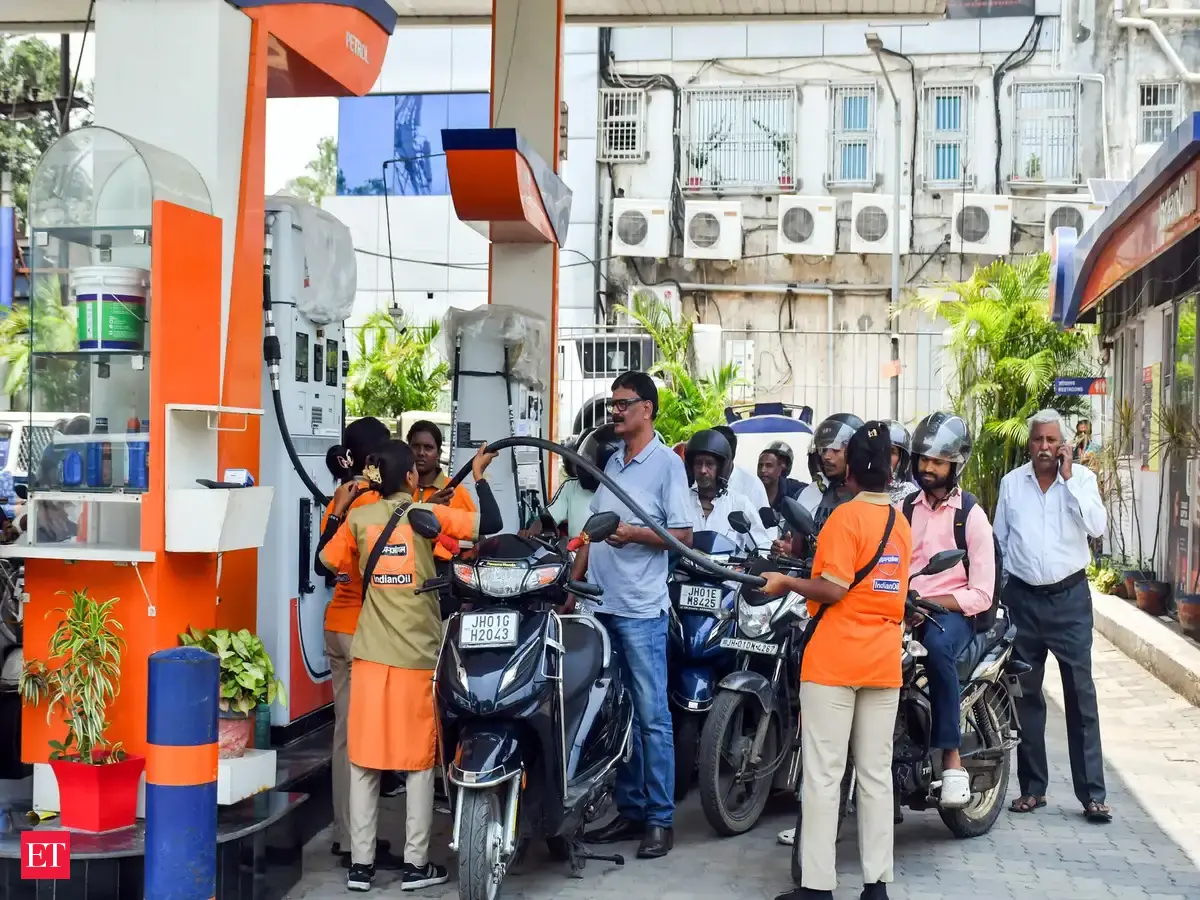
India Hikes Fuel Prices: Govt Cites Citizen Shield from Oil Shock
India has increased petrol and diesel prices by ₹3 per litre, the first major hike in four years, attributing it to global crude oil surges from the West Asia conflict. Government sources claim this minimal rise is to shield citizens, with oil companies absorbing massive losses. The move has sparked political debate and public concern over inflation.
Key Highlights
- Petrol, diesel prices hiked by ₹3 per litre across India.
- First major fuel price revision in over four years.
- Hike driven by West Asia conflict and Strait of Hormuz blockade.
- Government asserts 'shielding citizens' from full global oil shock.
- Oil marketing companies reportedly absorbing daily losses of ₹1,000-₹1,600 crore.
- Political criticism from opposition, defense from ruling party.
In a significant development for Indian consumers, petrol and diesel prices were increased by ₹3 per litre across the nation on Friday, May 15, 2026. This marks the first major retail fuel price revision in over four years, with prices largely remaining unchanged since April 2022, barring a minor reduction in March 2024 ahead of the Lok Sabha elections.
The decision comes amidst escalating global crude oil prices, primarily driven by the ongoing conflict in West Asia and the subsequent disruption of oil and gas supplies, including the critical Strait of Hormuz blockade. Brent crude prices have surged above $100 per barrel, exerting immense pressure on India's state-owned oil marketing companies (OMCs).
Government sources have robustly defended the price hike, emphasizing that authorities are "shielding citizens instead of passing on the full global oil shock." Officials indicate that OMCs have been absorbing substantial losses, reportedly amounting to nearly ₹1,000 crore (or even ₹1,600 crore according to some reports) per day by maintaining domestic fuel prices despite soaring import costs. They contend that the ₹3 increase is a "very small rise" and represents only a fraction of the financial burden currently being borne by these companies. It is claimed that OMCs are effectively absorbing approximately ₹26 per litre on petrol and ₹82 per litre on diesel to keep retail prices below market-linked levels. Without these interventions, officials suggest, petrol and diesel prices would have been significantly higher.
In addition to the recent hike in petrol and diesel, compressed natural gas (CNG) prices have also seen an increase of ₹2 per kilogram.
Following the revision, the new fuel prices in major Indian cities are:
* **Delhi:** Petrol at ₹97.77 per litre and diesel at ₹90.67 per litre.
* **Mumbai:** Petrol at ₹106.68 per litre and diesel at ₹93.14 per litre.
* **Kolkata:** Petrol at ₹108.74 per litre and diesel at ₹95.13 per litre.
* **Chennai:** Petrol at ₹103.67 per litre and diesel at ₹95.25 per litre.
The fuel price hike has ignited political reactions across the country. The Indian National Congress criticized the move, cautioning against further inflationary pressure on households and businesses. Conversely, the ruling Bharatiya Janata Party (BJP) has defended the decision, asserting that India has experienced one of the lowest fuel price increases among major economies significantly impacted by the ongoing global energy crisis and the Iran conflict. Union Petroleum Minister Hardeep Singh Puri had earlier hinted at a price revision, stating that "At some stage the government has to take a view on raising prices of petroleum products such as petrol and diesel." Reports also cited that countries like the US, Pakistan, and Myanmar have witnessed substantially sharper increases in fuel prices since the outbreak of the Iran conflict and the partial blockade of Hormuz, with increases ranging from 20% to nearly 100%. In comparison, India has limited the hike to 3.2% for petrol and 3.4% for diesel.
Days before the price revision, Prime Minister Narendra Modi had appealed to citizens to adopt austerity measures, including reducing fuel consumption, reviving work-from-home practices, and utilizing public transport more, in light of the escalating West Asia crisis. He emphasized the need for "economic patriotism" to safeguard the country's financial stability amidst uncertain global conditions. Modi cautioned that disruptions in global crude oil supply chains could sharply increase India's import bill, given the nation's heavy dependence on imported crude oil.
The impact of these hikes is expected to ripple through various sectors, potentially increasing transportation costs, logistics expenses, and daily household budgets. Cab drivers and transport operators have already voiced concerns over the rising fuel and CNG prices. Meanwhile, some regions, like Odisha, reported instances of panic buying at fuel stations following rumors of supply disruptions. However, the Odisha state government swiftly intervened, assuring the public of adequate fuel stock for at least 13 days and urging against panic purchases. This latest fuel price adjustment underscores the intricate balance the Indian government aims to strike between global energy market volatility and domestic economic stability, even as it faces mounting pressure from both international crude prices and internal political scrutiny.
Frequently Asked Questions
Why have petrol and diesel prices been increased in India?
Petrol and diesel prices have been increased by ₹3 per litre primarily due to soaring global crude oil prices, influenced by the ongoing conflict in West Asia and disruptions in oil supplies, particularly through the Strait of Hormuz.
What is the government's justification for the fuel price hike?
The government states that the hike is necessary because state-owned oil marketing companies (OMCs) have been absorbing significant daily losses (reportedly ₹1,000-₹1,600 crore) to prevent the full impact of global oil price increases from being passed on to citizens, effectively 'shielding' them from a larger 'oil shock'.
How much have petrol and diesel prices increased, and what are the new rates in major cities?
Petrol and diesel prices have increased by ₹3 per litre across India. In Delhi, petrol is now ₹97.77/litre and diesel is ₹90.67/litre. In Mumbai, petrol is ₹106.68/litre and diesel is ₹93.14/litre. Prices have also risen in Kolkata and Chennai.
Is this the first fuel price hike in a long time?
Yes, this marks the first major retail fuel price revision in over four years. Prices had largely remained stable since April 2022, with only a minor reduction in March 2024.
What has been the political reaction to the fuel price hike?
The opposition Congress party has criticized the hike, citing concerns about inflationary pressure. However, the ruling BJP has defended the decision, arguing that India's price increase is minimal compared to other nations affected by the global energy crisis.