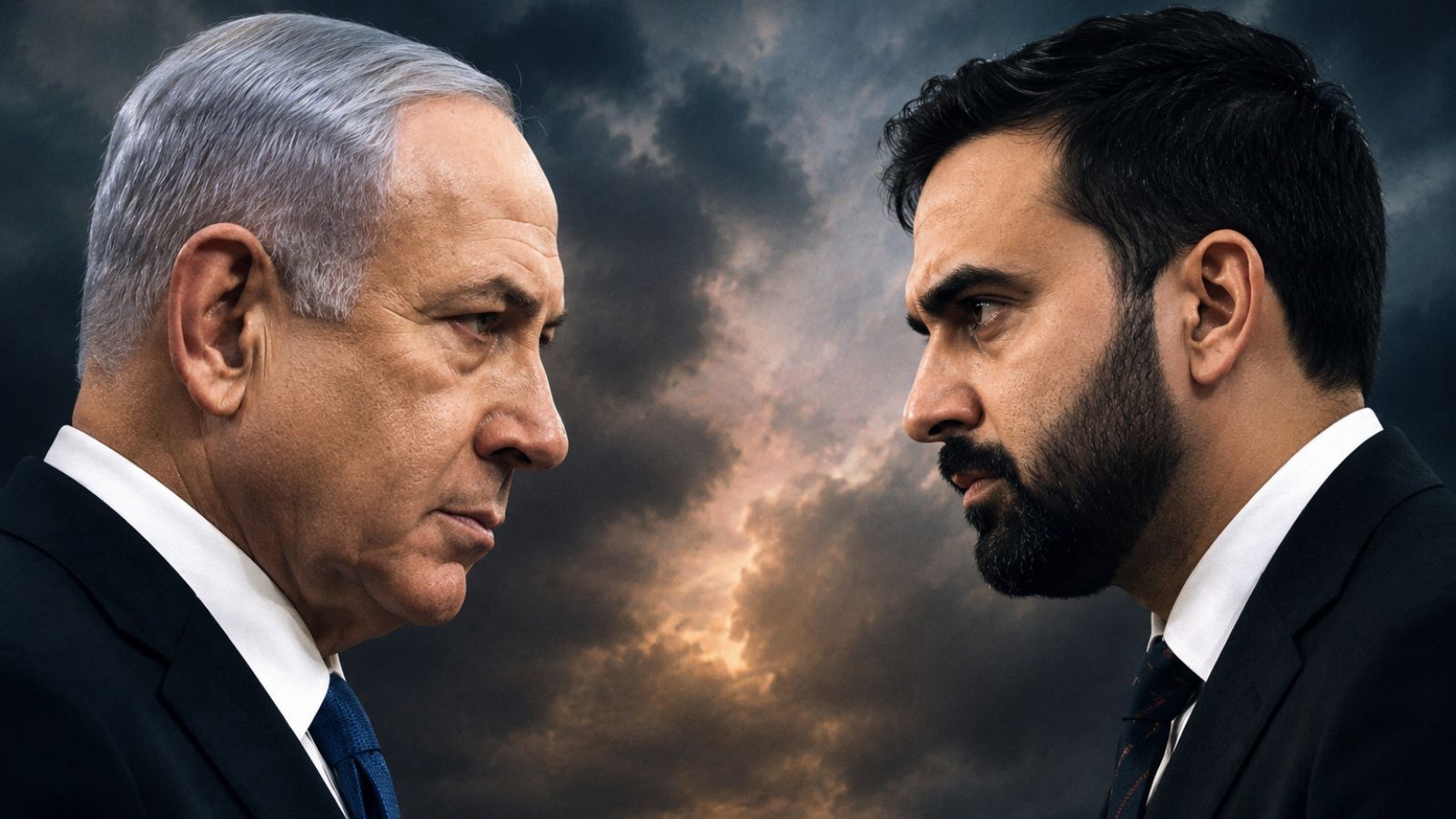
Trump and Netanyahu Deliberate Iran War Options Amidst Strained Ties
US President Donald Trump and Israeli Prime Minister Benjamin Netanyahu recently held crucial closed-door talks on the ongoing Iran war. They explored three potential paths: diplomatic resolution, intensified economic pressure alongside military threat, or a broader military campaign, highlighting differing priorities and a strained alliance.
Key Highlights
- Trump and Netanyahu met on July 28, 2026, amidst an ongoing Iran war.
- Three options for addressing Iran were discussed: diplomacy, sanctions with military threat, or military action.
- Trump expressed concerns over global economic fallout from prolonged conflict.
- Netanyahu advocated for continued maximum economic pressure on Iran.
- Discussions also touched upon US military aid to Israel and Israel's defense independence.
- The meeting occurred amid reports of strains in the US-Israel relationship.
On July 28, 2026, US President Donald Trump and Israeli Prime Minister Benjamin Netanyahu convened for significant closed-door discussions at the White House, focusing primarily on the ongoing conflict with Iran. This high-stakes meeting, lasting approximately 90 minutes, was the first in-person interaction between the two leaders since the joint US-Israel war against Iran commenced on February 28, 2026.
The India Today article, published on July 29, 2026, accurately reported that the leaders weighed "three possible paths" for dealing with Iran. These options, corroborated by multiple credible sources including Axios and Iran International, generally encompassed: 1) pursuing a negotiated agreement, 2) maintaining a strategy of intensified economic pressure and a naval blockade while preserving the threat of military action, and 3) considering a broader military campaign or a "massive strike" against Iran. Israeli officials, speaking after the meeting, conveyed that the final decision regarding these options ultimately rests with President Trump.
The discussions revealed differing priorities and concerns between the two leaders. President Trump, according to reports, expressed significant worries about the potential for prolonged conflict to cause wider economic fallout, particularly concerning soaring energy prices and the impact on the global economy. This concern aligns with domestic pressures Trump faces ahead of US midterm elections in November, where public opinion on the war and its economic consequences is a factor.
In contrast, Prime Minister Netanyahu strongly advocated for a strategy of continued and intensified economic measures against Iran. He reportedly argued that intensifying economic pressure, combined with a credible military threat, would place Tehran under strain without necessarily requiring another full-scale war. Netanyahu also highlighted Iran's reliance on the Strait of Hormuz as leverage against Washington, suggesting that rather than easing pressure, economic measures should be heightened while maintaining a blockade. He conveyed skepticism regarding the likelihood of Iran agreeing to a deal that would effectively curb its nuclear ambitions.
Beyond the immediate options for Iran, the meeting also touched upon other crucial bilateral issues. One major topic was the future of US military assistance to Israel. Netanyahu reportedly informed Trump, Vice President JD Vance, and special envoy Steve Witkoff that Israel aims to gradually reduce its dependence on American military aid over the next decade. This proposal included discussions about negotiating a new memorandum of understanding for direct military assistance and expanding joint missile defense and weapons development programs.
The context of this meeting is a "joint war against Iran" that began in February 2026, with the United States under a second Trump administration and Israel launching coordinated strikes. The conflict has seen the US and Israel acting in concert against what they describe as Iran's nuclear threat. However, the relationship has reportedly experienced strains, with Trump expressing some frustrations publicly before the meeting, particularly regarding reports of Netanyahu intending to share intelligence on a potential Iranian nuclear site known as "Pickaxe Mountain." Trump stated he was already aware of the situation and questioned the need for public announcements. Despite these reported differences, both leaders maintained a public stance of shared objectives, particularly preventing Iran from acquiring nuclear weapons.
International mediators, including Pakistan, Egypt, and Qatar, had reportedly been working on proposals to clarify disagreements over the Strait of Hormuz operations, aiming to facilitate US-Iran talks, but the White House held off on a decision until after the Trump-Netanyahu meeting. Hours after the meeting, Iran reportedly launched missiles at a US base in Jordan, its first direct attack on American forces since Washington had paused strikes, further escalating tensions. The discussions also occurred as diplomatic efforts to reconstruct Gaza, following a protracted conflict between Israel and Hamas, were at a standstill, and efforts to apply a US-sponsored framework deal between Israel and Lebanon faced challenges.
Overall, the India Today article accurately captured the essence of a critical geopolitical meeting, detailing the options deliberated, the strategic differences and alignments, and the broader context of an active conflict involving major international players. The headline is precise and reflects the corroborated facts without sensationalism.
Frequently Asked Questions
When did the meeting between President Trump and Prime Minister Netanyahu regarding Iran take place?
The closed-door meeting between US President Donald Trump and Israeli Prime Minister Benjamin Netanyahu took place on Tuesday, July 28, 2026, at the White House.
What were the three options discussed by Trump and Netanyahu for dealing with Iran?
The three options discussed were: pursuing a negotiated agreement, intensifying economic pressure and maintaining a military threat (blockade), or launching a broader military campaign.
What is the current status of the 'Iran war' mentioned in the article?
The article and corroborating sources indicate an ongoing 'joint war against Iran' involving the US and Israel, which began on February 28, 2026.
Did Trump and Netanyahu have a unified stance on the Iran strategy?
While both leaders shared the objective of preventing Iran from acquiring nuclear weapons, reports suggest some strains and differing concerns. Trump was reportedly worried about the global economic impact of prolonged conflict, whereas Netanyahu pushed for continued maximum economic pressure.
Were there any other significant topics discussed during the meeting?
Yes, aside from Iran, discussions also included the future of US military assistance to Israel, with Netanyahu expressing Israel's desire for greater defense independence.