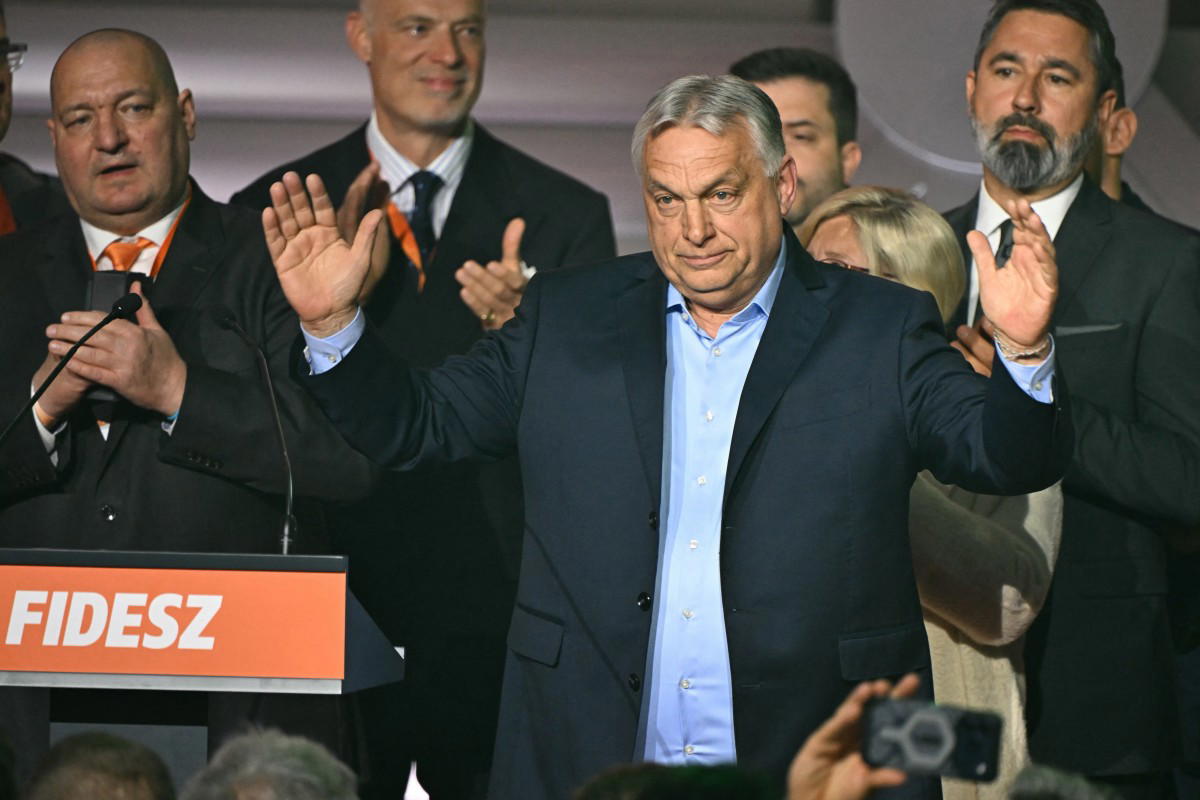
Hungary's Orban Ousted: New Era Dawns After 16 Years
Hungarian strongman Viktor Orban has been defeated after 16 years in power, marking a significant shift in Hungarian politics. His defeat signals potential changes in Hungary's relationship with the EU and its international ties.
Key Highlights
- Orban's long-standing rule ends after 16 years.
- New leadership to usher in a 'free, European' Hungary.
- Potential shifts in Hungary's stance with EU and India.
- Election results draw international attention and analysis.
Viktor Orban, Hungary's formidable leader for 16 years, has been defeated in a landmark election, ushering in a new political era for the nation. The outcome has sent ripples across Europe, with potential implications for Hungary's relationship with the European Union and its foreign policy, including its bilateral ties with India. The election results have been widely interpreted as a significant victory for a pro-European and reformist agenda, signaling a departure from Orban's often contentious stance on EU policies and international relations.
Orban's government had been characterized by its strong nationalist rhetoric, skepticism towards EU integration, and a close alignment with figures like Donald Trump, while simultaneously engaging in complex diplomatic maneuvers with global powers. His policies, particularly concerning migration and judicial independence, had frequently put Hungary at odds with Brussels. The victory of Peter Magyar's movement suggests a public desire for a more collaborative approach within the EU and a reorientation of foreign policy. Magyar has explicitly stated his commitment to building a 'free, European' Hungary, indicating a move away from the perceived authoritarian tendencies of the Orban era. This shift could lead to a thawing of relations with EU institutions and a more constructive dialogue on shared European values.
The election's impact is not confined to Hungary and the EU. It also has relevance for India, with reports suggesting a potential new era for bilateral ties under the new Hungarian leadership. Orban's government had fostered a working relationship with India, focusing on economic cooperation and cultural exchange. The change in government may lead to a re-evaluation and potential strengthening of these ties, depending on the new administration's foreign policy priorities. Magyar's vision of a 'European' Hungary might translate into closer alignment with democratic partners, potentially benefiting Indo-Hungarian relations.
International observers and analysts have noted the significance of this electoral outcome. The Guardian highlighted the jubilation in Budapest and the broader European implications, while Politico.eu discussed the 'winners and losers' of the election, underscoring its geopolitical resonance. BBC's reporting also pointed to the positive reception within Europe, contrasting it with a muted reaction from Moscow, suggesting a potential shift in Hungary's geopolitical orientation. The defeat of Orban, a prominent figure in European conservative politics, is seen by many as a victory for democratic norms and a step towards greater European integration. The long-term consequences of this political transition in Hungary will be closely watched, both within the EU and on the global stage, as the country navigates its path forward under new leadership. The article from Hindustan Times, as the source, has framed this event within the context of Orban's ties with Trump and friction with the EU, providing a specific lens through which to view this significant political development. The defeat of a leader who has been in power for over a decade signifies a substantial political realignment. The new leadership's focus on European integration and democratic values will likely shape Hungary's domestic and foreign policies moving forward. The election results are a testament to the evolving political landscape in Europe and the desire of electorates for change. The implications for Hungary's role within the EU and its relationships with key global partners, including India, are yet to fully unfold but suggest a potentially more aligned and collaborative future. The shifts in Hungarian politics could influence broader European discussions on sovereignty, migration, and the future of the EU itself. The defeat of a seasoned populist leader like Orban may also embolden similar movements or, conversely, serve as a cautionary tale about the limits of sustained nationalist appeal. The international community, including major powers and international organizations, will be observing Hungary's transition closely. The impact on regional stability and European solidarity will be significant. The economic policies under the new government will also be a key area of focus, particularly in relation to attracting foreign investment and fostering growth within the EU framework. The success of the new administration in addressing domestic challenges and fulfilling its electoral promises will be crucial in shaping Hungary's trajectory in the coming years. The geopolitical balance in Eastern Europe could also see subtle adjustments as Hungary redefines its place within the European order. The narrative of Orban's 'defeat' after such a long tenure is powerful, indicating a decisive shift in the political will of the Hungarian people. The focus now turns to how the new government will implement its agenda and mend relationships both domestically and internationally. The article's emphasis on Trump ties and EU friction highlights the key external factors that may have contributed to Orban's downfall. This suggests a complex interplay of domestic sentiment and international pressures that culminated in this historic election result. The ramifications for European populism and the future of conservative movements across the continent will also be a subject of ongoing analysis. The transition in Hungary represents a significant moment for democratic governance in Central Europe. The coming months will reveal the extent to which the new leadership can deliver on its promises and forge a new path for Hungary. The alignment with European values and norms will be a critical determinant of its future success and integration within the broader European project. The geopolitical implications for Russia's influence in the region may also be a notable consequence of this electoral outcome. The shift towards a more pro-EU stance could alter existing power dynamics and foster a more unified European front on various international issues. The economic and social policies enacted by the new government will be closely scrutinized, as they will shape the daily lives of Hungarian citizens and the country's standing in the global economy. The potential for a more open and transparent political system will be a key indicator of the success of this transition. The election results provide a compelling case study in the dynamics of long-term leadership and the forces that can lead to significant political change.
Frequently Asked Questions
Who is Viktor Orban and how long was he in power?
Viktor Orban is a Hungarian politician who served as Prime Minister of Hungary for a total of 16 years, from 1998 to 2002 and again from 2010 to 2024.
What were the main reasons cited for Orban's defeat?
While specific election results analysis is pending, factors likely contributing to Orban's defeat include public desire for change after a long tenure, potential dissatisfaction with his government's policies, and a shift in political sentiment towards a more pro-European stance.
What does Peter Magyar's victory signify for Hungary's relationship with the EU?
Peter Magyar's movement has expressed a commitment to a 'free, European' Hungary, suggesting a potential for closer alignment with EU institutions and a more collaborative approach to European policies, moving away from Orban's often contentious relationship with Brussels.
How might this election impact Hungary's ties with India?
The change in Hungarian leadership could lead to a re-evaluation and potential strengthening of bilateral ties with India, depending on the new administration's foreign policy priorities and its approach to international partnerships.