US-Iran War Escalates: Internet Blackout, Stalled Peace Talks Amidst Conflict
The US-Iran conflict intensifies as an internet blackout in Tehran nears two months, following US-Israeli strikes in late February 2026. Peace talks, mediated by Pakistan, have stalled, with President Trump cancelling envoy trips, citing Iranian leadership disarray.
Key Highlights
- US-Iran war ongoing since February 28, 2026.
- Tehran internet blackout approaches two months, setting global record.
- President Trump cancels US envoy trips to Pakistan for peace talks.
- Stalled negotiations follow initial US-Israeli strikes and Iranian retaliation.
- Conflict impacts global oil markets, Strait of Hormuz remains contested.
- Pakistan continues mediation efforts despite US withdrawal from direct talks.
A full-scale conflict between the United States and Iran is actively ongoing, with 'LIVE updates' indicating a dynamic and critical geopolitical situation. The war reportedly commenced on February 28, 2026, initiated by joint US-Israeli strikes on Iran that tragically resulted in the deaths of Iran's Supreme Leader and other senior officials. Following these initial attacks, Iran retaliated, targeting US bases in the Gulf region. The conflict has significantly disrupted global oil markets, largely due to Iran's closure of the strategic Strait of Hormuz to its 'enemies' and a subsequent US naval blockade in the area. Brent crude prices have experienced a substantial jump, climbing almost 13% due to these supply risks, and inflation in the US has reportedly reached its highest level in nearly two years.
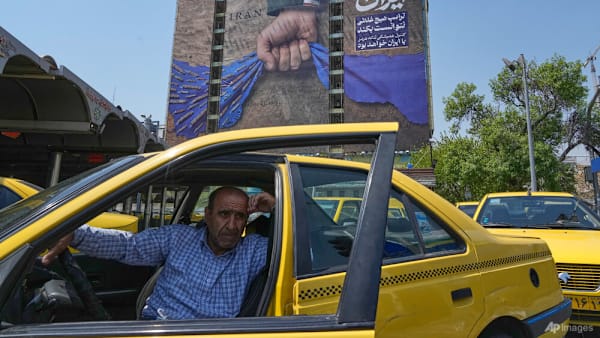
Compounding the crisis, Iran has been experiencing a severe and prolonged internet blackout, particularly in Tehran, which has been in effect since the initial US-Israeli strikes on February 28, 2026. This near-total internet shutdown is now nearing two months, with reports on April 12, 2026, stating it had reached its 44th day and by April 19, 2026, surpassing the 51-day mark, or 1,200 hours. Internet watchdog NetBlocks has described this as an unprecedented and record-breaking period of connectivity interference for a sovereign state in a connected society, highlighting the immense human and economic impacts of such extended censorship. Access to the global internet remains heavily restricted, with most Iranian users confined to a domestic network.
Efforts to de-escalate the conflict through diplomatic means have largely stalled. Pakistan has been playing a crucial intermediary role, facilitating peace talks between Tehran and Washington. However, these negotiations recently hit a significant roadblock when US President Donald Trump unilaterally cancelled a scheduled trip by his special envoys, Steve Witkoff and Jared Kushner, to Pakistan for talks with Iran. President Trump justified his decision by citing that it was 'too much time wasted on traveling, too much work!' He also claimed there was 'tremendous infighting and confusion' within Iran's leadership, asserting that 'nobody knows who is in charge, including them. Also, we have all the cards, they have none!' Trump further stated that Iran could call the US anytime if they wished to talk. This cancellation came despite Iran's Foreign Minister Abbas Araghchi having been in Islamabad for discussions with Pakistani Prime Minister Shehbaz Sharif, although Iran had previously insisted that no direct talks with US officials were planned.
Iranian officials, including President Masoud Pezeshkian, have publicly rejected Trump's claims of internal divisions, issuing coordinated statements through state media to emphasize unity. Pezeshkian has also asserted Iran's 'lawful nuclear rights' and denied that Iran is seeking to expand the war, stating it is acting in legitimate self-defense. The Iranian Parliament Speaker, Mohammad Bagher Ghalibaf, had expressed a lack of trust in negotiating partners even before the high-stakes diplomatic discussions in Pakistan, citing experiences from previous wars. He noted that the 'opposing side ultimately failed to' meet expectations.
Despite the US withdrawal from direct talks in Pakistan, Pakistan's Prime Minister Shehbaz Sharif continues to engage with Iranian President Masoud Pezeshkian, reviewing diplomatic contacts and agreeing to continue coordination. Sharif has reiterated Pakistan's readiness to support dialogue and act as a facilitator for lasting peace in the region. The broader regional implications of the conflict are evident, with Iran reportedly carrying out attacks across multiple countries, including Bahrain, Kuwait, Oman, Qatar, UAE, Jordan, Saudi Arabia, Syria, Iraq, Turkey, and the British territory of Akrotiri and Dhekelia. The ongoing situation remains highly volatile, with both sides maintaining firm stances and no immediate resolution in sight.
Frequently Asked Questions
What is the current status of the US-Iran conflict?
The US-Iran conflict is ongoing, having reportedly begun on February 28, 2026, with US-Israeli strikes on Iran. Iran has retaliated, and the conflict has significantly impacted global oil markets due to the dispute over the Strait of Hormuz.
Why is there an internet blackout in Tehran and how long has it lasted?
A near-total internet blackout has been imposed in Tehran and across Iran since the US-Israeli strikes on February 28, 2026. As of late April 2026, it is nearing two months, breaking global records for sustained internet disruption.
What is the status of peace talks between the US and Iran?
Peace talks, mediated by Pakistan, have stalled. US President Donald Trump recently cancelled a trip by US envoys to Pakistan for negotiations, citing a lack of progress and disarray within Iran's leadership.
What role is Donald Trump playing in the current conflict?
Donald Trump is currently the US President and is actively involved in the conflict and diplomatic efforts. He cancelled envoy trips for peace talks, made public statements about Iran's leadership, and affirmed the US's strong stance.
How has the conflict affected the Strait of Hormuz?
The Strait of Hormuz, a critical oil shipping route, has been a key point of contention. Iran has shut down the Strait to its 'enemies', and the US maintains a naval blockade in the area, leading to significant disruptions in global oil supply and price hikes.