Middle East conflict sparks global market sell-off; energy prices surge
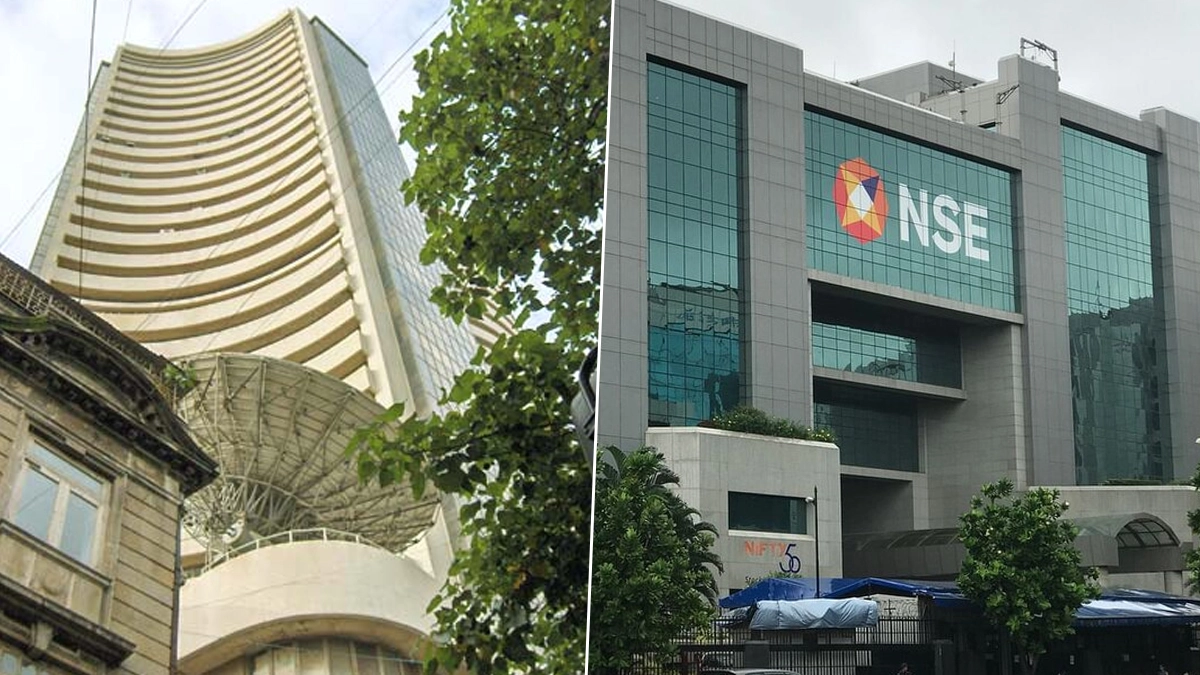
Escalating conflict in the Middle East has triggered a significant slump in global markets, with Asian bourses experiencing a pronounced downturn. Surging energy prices, particularly for crude oil, are fueling inflation worries and contributing to market volatility worldwide. India's economy, heavily reliant on energy imports, faces increased pressure on its current account deficit, inflation, and the rupee.
Key Highlights
- Global markets slump amid escalating Middle East conflict.
- Energy prices surge, driving inflation concerns.
- Asian markets hit hard, South Korea's Kospi plunges.
- India faces economic pressure due to high energy import dependence.
- Strait of Hormuz disruption poses significant risk to global supply.
The global financial markets have experienced a significant downturn, with Asian markets bearing the brunt of the impact, entering a second day of substantial losses. This decline is directly linked to escalating conflict in the Middle East and a consequent surge in energy prices, particularly crude oil, which have climbed significantly since December 2025. The price of Brent crude oil has seen a sharp increase, reaching levels above $80-$85 per barrel, a significant jump that has raised inflation concerns across the globe. This has led to a broad-based sell-off in equities, with major indices in Japan and South Korea experiencing double-digit percentage drops. The South Korean Kospi index, in particular, saw one of its largest single-day declines since the global financial crisis.
The Middle East conflict, stemming from US-Israel strikes on Iran and subsequent retaliatory actions, has disrupted critical energy supply routes, most notably the Strait of Hormuz, through which a substantial portion of the world's oil and liquefied natural gas (LNG) passes. This disruption has led to a heightened risk premium demanded by traders for oil. Qatar's decision to halt LNG production has further exacerbated concerns about energy supply security and price stability.
The impact on inflation is a major concern, as rising energy costs directly affect transportation and manufacturing input costs, with historical analysis indicating a correlation between oil price increases and consumer price index (CPI) inflation. The US dollar has strengthened as investors seek safe-haven assets, further increasing import costs for many nations.
For India, the situation presents a heightened risk due to its heavy reliance on energy imports, with over 85% of its crude oil sourced externally, and a significant portion coming from the Middle East. Analysts warn that sustained high oil prices could widen India's current account deficit, fuel domestic inflation, and put considerable pressure on the Indian rupee. Companies heavily dependent on energy imports or with weak pricing power are expected to face margin pressure, while upstream oil and gas companies might see some benefit from higher crude prices. Sectors like aviation, OMCs (Oil Marketing Companies), paints, chemicals, and fertilizers are identified as being at higher risk.
In response to the volatility, some markets have shown tentative signs of recovery, with global equity markets experiencing a moderate positive sentiment and a pullback in the VIX volatility index on March 4, 2026. However, the overall market sentiment remains cautious, with investors closely monitoring developments in the Middle East and their implications for global energy supply and inflation. The article suggests that while market volatility is expected during such crises, long-term investment strategies should remain focused, as history indicates markets tend to move higher over extended periods.
The news was published on March 4, 2026. The primary news category is Global Economics and Finance, with related categories in Geopolitics and Energy Markets. The news is global in scope, affecting multiple countries and regions. The immediate urgency is high due to the potential for widespread economic impact. The credibility score for Upstox as a source is rated as medium, as it is a financial services platform that also provides news, which may be less neutral than dedicated news agencies. The importance score is high due to the significant economic and financial implications of the events described.
Frequently Asked Questions
What caused the recent slump in global markets?
The recent slump in global markets is primarily attributed to the escalating conflict in the Middle East, which has led to a surge in energy prices and heightened inflation concerns.
How are energy prices being affected by the Middle East conflict?
The conflict has disrupted key energy supply routes, particularly the Strait of Hormuz, leading to significant increases in crude oil and natural gas prices.
What is the impact of these events on India's economy?
India, being a major energy importer, faces increased pressure on its current account deficit, higher inflation, and potential depreciation of the rupee due to sustained high energy prices.
Which Asian markets have been most affected?
Asian markets, including those in Japan and South Korea, have experienced substantial declines, with South Korea's Kospi index seeing one of its largest single-day drops in history.