Bangladesh Election 2026: India Watches Post-Uprising Polls Amid Geopolitical Shifts
Bangladesh is holding its first general election on February 12, 2026, since the 2024 July Uprising that ousted former Prime Minister Sheikh Hasina. India is closely monitoring the polls due to significant regional geopolitical implications and national security concerns, while global powers like the US and China vie for influence in the Bay of Bengal region.
Key Highlights
- Bangladesh's 2026 general election is the first since 2024 July Uprising.
- Former PM Sheikh Hasina was ousted in August 2024 and fled to India.
- India closely watches election for regional stability and security implications.
- US and China are engaged in a geopolitical rivalry for influence in Bangladesh.
- Interim government under Muhammad Yunus oversees the February 12, 2026 election.
- The Awami League is banned, creating a bipolar contest between BNP and Jamaat.
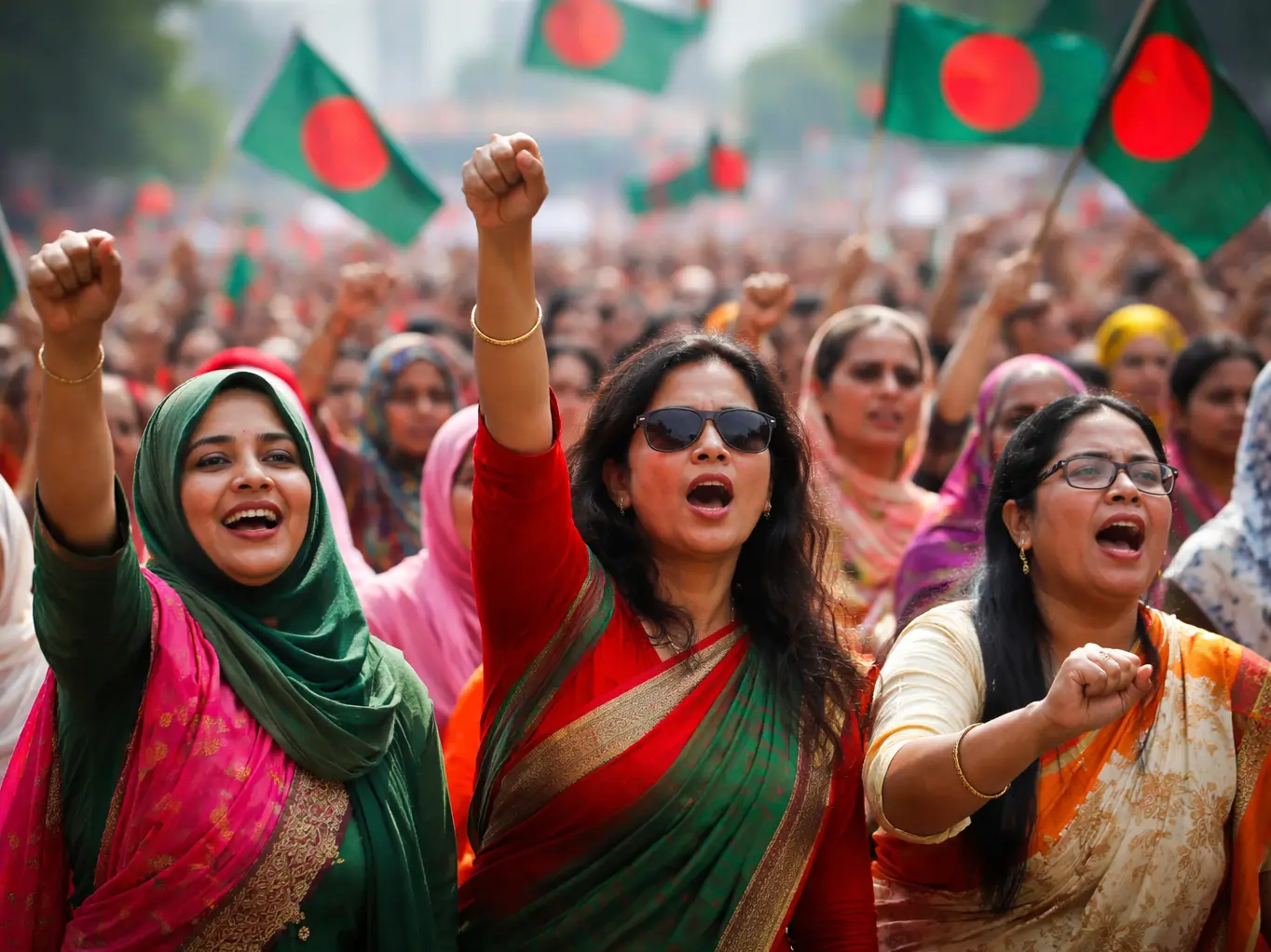
Bangladesh is currently undergoing a pivotal general election on February 12, 2026, marking the country's first parliamentary vote since a significant and widespread popular movement, commonly known as the 'July Revolution' or 'Gen Z Uprising,' led to the ouster of former Prime Minister Sheikh Hasina in August 2024. Hasina, who had governed for fifteen years (1996-2001 and 2009-2024), fled to India following the mass protests that engulfed the nation. The NDTV headline accurately captures the essence of this major political event and India's keen interest in its outcome.
India's intense scrutiny of the Bangladesh election stems from various factors crucial to its national security and regional stability. During Sheikh Hasina's tenure, New Delhi enjoyed a period of friendly and cooperative ties with Dhaka, viewing Bangladesh as a vital strategic partner in maintaining South Asian security. India is particularly concerned that Hasina's removal might create an environment conducive to groups potentially hostile towards Indian interests, especially amidst rising anti-India sentiment and violence targeting minorities, including the Hindu population, in Bangladesh. The relationship between India and Bangladesh has historically fluctuated with electoral changes, with Hasina's Awami League generally favoring closer ties, while the Bangladesh Nationalist Party (BNP) and its ally Jamaat-e-Islami have been viewed with more suspicion by India due to their perceived pro-Pakistan and Islamist leanings. However, political realities have prompted a reassessment on both sides, with India engaging with BNP and Jamaat in recent months. India hopes that the return to democratic rule will facilitate a reset in bilateral relations, though challenges remain given the strong identity politics in both nations.
The 2024 July Uprising, which began as a quota reform movement in early June 2024 and escalated into a full-fledged mass uprising after government suppression, eventually led to a non-cooperation movement and Hasina's resignation on August 5, 2024. The election is now being conducted under an interim government led by Nobel laureate Muhammad Yunus, who was appointed Chief Adviser in August 2024. This election also includes a concurrent national referendum on the 'July Charter,' a reform package aimed at introducing constitutional and electoral changes, including potentially reinstating a neutral caretaker government system and balancing prime ministerial powers. The Awami League, Hasina's party, has been suspended and barred from contesting the current election, making it a bipolar contest primarily between the Bangladesh Nationalist Party (BNP) and Jamaat-e-Islami.
Beyond bilateral and regional concerns, the Bangladesh election has become a focal point for a broader geopolitical rivalry between the United States and China. Both global powers have demonstrated vested interests in the country, leveraging its strategic location at the northern edge of the Bay of Bengal, a critical maritime corridor. China has significantly expanded its economic footprint through infrastructure projects under the Belt and Road Initiative and increased its military ties with Bangladesh, becoming its second-largest arms supplier. The US, on the other hand, is concerned about China's growing influence and has been actively engaging with various Bangladeshi political parties, including the BNP and Jamaat, to promote free and fair elections and expand its own influence in the Indo-Pacific region. While the related article mentioned a "Xi Jinping Vs Donald Trump" clash, this framing is misleading for a 2026 election, as Donald Trump is not the current US President. The actual US engagement involves the current administration's diplomatic efforts, as evidenced by US Ambassador Brent Christensen's meetings with political figures. The election outcome will significantly influence which power gains a stronger foothold in Dhaka's future government, further highlighting Bangladesh's delicate position amidst competing global interests. The presence of nearly 127.7 million registered voters, with a significant youth demographic (44% aged 18-37), underscores the potential for this election to shape Bangladesh's democratic future after a turbulent period marked by political unrest and calls for fundamental reforms.
Overall, the news article from NDTV accurately reports on a significant geopolitical event. The primary claim of India watching the Bangladesh election, which is the first since the 2024 uprising, is well-corroborated by multiple credible sources.
Frequently Asked Questions
When is the current Bangladesh general election being held and why is it significant?
The current Bangladesh general election is being held on February 12, 2026. It is highly significant as it is the first election since the widespread July 2024 'Gen Z Uprising' that led to the ouster of former Prime Minister Sheikh Hasina's government. The election is taking place under an interim government and includes a referendum on major constitutional reforms, marking a critical juncture for Bangladesh's democratic future.
Why is India closely watching the Bangladesh election?
India is closely monitoring the Bangladesh election due to its direct implications for regional geopolitics and national security. India enjoyed strong ties with the previous Awami League government, and there are concerns about how a new administration might affect bilateral relations, border security, and the potential rise of anti-India elements or instability.
What was the '2024 Uprising' in Bangladesh?
The '2024 Uprising,' also known as the July Revolution or Gen Z Uprising, was a mass movement in Bangladesh that began in July 2024. Initially sparked by protests over government job quotas, it escalated into widespread demonstrations and a non-cooperation movement, ultimately leading to the resignation and flight of then-Prime Minister Sheikh Hasina in August 2024 after 15 years in power.
How are the US and China involved in the Bangladesh election?
The US and China are engaged in a geopolitical rivalry for influence in Bangladesh, primarily due to the country's strategic location in the Bay of Bengal. China has expanded its economic investments and military ties, while the US expresses concerns about this growing influence and actively engages with various political parties to promote democratic processes and counter China's footprint. Both powers are vying to shape Bangladesh's political landscape.
Which political parties are contesting this election?
The current election is primarily a contest between the Bangladesh Nationalist Party (BNP) and a coalition centered around Jamaat-e-Islami. Sheikh Hasina's Awami League party has been suspended and barred from participating in this election following the events of the 2024 uprising.