US-Iran Crisis: Talks Progress Amid Hormuz Strait Closure and Attacks
Amid the ongoing 2026 US-Iran war, both nations cite progress in peace talks despite significant sticking points, particularly the Strait of Hormuz. Iran recently reopened and then swiftly re-closed the vital waterway due to continued US naval blockades, leading to attacks on commercial ships, including Indian-flagged vessels.
Key Highlights
- US and Iran report progress in ongoing peace negotiations.
- Strait of Hormuz re-closed by Iran after brief reopening, citing US blockade.
- Attacks on commercial vessels reported in the Strait, including Indian-flagged ships.
- Donald Trump, as US President, maintains naval blockade despite ceasefire.
- Global oil prices remain volatile due to Hormuz disruptions.
- India raises concerns with Iran over shipping incidents in the Strait.
The geopolitical landscape on April 19, 2026, is dominated by the ongoing conflict between the United States and Iran, often referred to as the '2026 Iran War,' which originated on February 28, 2026, with US-Israeli airstrikes on Iranian targets and the assassination of Iran's Supreme Leader Ali Khamenei. In retaliation, Iran launched missile and drone attacks and closed the strategically critical Strait of Hormuz, a key choke point for global energy trade.
Recent developments indicate a complex and fluid situation involving both diplomatic efforts and continued military tensions. NDTV's 'US-Iran War Live Updates' headline accurately reflects this dynamic, with both US President Donald Trump and Iranian officials acknowledging some progress in peace talks, yet significant uncertainty persists, particularly regarding the Strait of Hormuz.
Peace negotiations have been ongoing, with various rounds taking place in locations such as Oman and Pakistan. Iranian top negotiator, Mohammad Bagher Ghalibaf, confirmed progress in discussions but highlighted that substantial gaps remain, especially concerning nuclear issues and the status of the Strait of Hormuz. Similarly, President Trump has spoken of "very good conversations" with Tehran but maintained a firm stance against what he termed "blackmail" over the vital shipping channel.
A fragile two-week ceasefire, announced on April 8, 2026, provided a brief glimmer of hope for de-escalation. This truce initially led to Iran's declaration on April 17, 2026, that the Strait of Hormuz was 'completely open' for commercial vessels, a move welcomed by international markets and causing a temporary drop in oil prices. However, this reopening was short-lived. By April 18, 2026, Iran announced the re-closure of the Strait, citing the United States' refusal to lift its naval blockade on Iranian ports. President Trump had clarified that the US blockade would remain in effect until a comprehensive peace deal, including on Iran's nuclear program, was finalized.
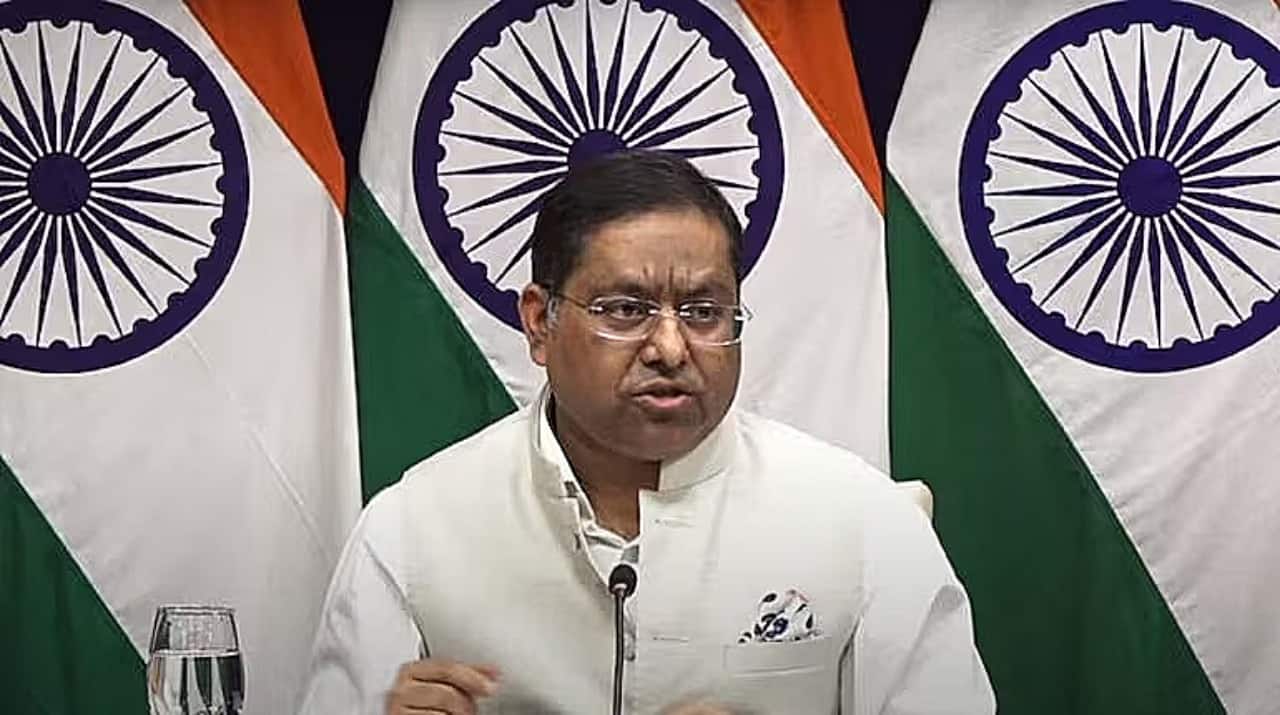
The re-closure of the Strait of Hormuz has immediately reignited concerns over maritime safety and global energy supplies. Reports surfaced of multiple commercial ships being attacked while attempting to transit the Strait. Significantly, India's External Affairs Ministry summoned Iran's Ambassador in New Delhi to convey its concerns over a "shooting incident" involving two Indian-flagged ships in the Strait, underscoring the international ramifications of the conflict. This incident highlights the direct impact of the Middle East crisis on India, a major energy importer that relies heavily on safe passage through the Strait.
The broader regional context involves an escalation of the Israel–Hezbollah conflict, with Israel continuing attacks on Lebanon, a sore point for Iran during the peace talks. The US has also warned two Chinese banks about potential sanctions for their activities related to Iran, indicating a widening scope of economic pressure. China, a significant energy trading partner with Iran, has urged restraint and signaled its intent to protect its energy trade.
The constant flux between diplomatic engagement and renewed tensions underscores the fragility of the ceasefire and the complex challenges in achieving a lasting resolution. The closure of the Strait of Hormuz, through which approximately one-fifth of the world's oil and natural gas supplies typically pass, continues to cause global fuel crises and market instability, with Brent crude oil prices surpassing US$100 per barrel in early March 2026. The situation remains critical, demanding close international monitoring and sustained diplomatic efforts to prevent further escalation and ensure the security of vital shipping lanes.
From an Indian perspective, the situation is of high importance due to its energy security implications and the safety of Indian maritime trade and personnel. The direct involvement of Indian-flagged vessels in incidents within the Strait emphasizes the need for a stable and open waterway for international shipping. India's diplomatic engagement with Iran on this matter reflects its commitment to protecting its national interests amidst regional instability.
Frequently Asked Questions
What is the current status of the Strait of Hormuz?
As of April 19, 2026, the Strait of Hormuz has been re-closed by Iran, reversing a brief reopening. This decision was made in response to the United States maintaining its naval blockade on Iranian ports.
Are the US and Iran making progress in peace talks?
Both US President Donald Trump and Iranian officials have cited progress in ongoing peace negotiations. However, significant 'gaps' and 'fundamental issues' remain, particularly concerning nuclear ambitions and the Strait of Hormuz.
Why is the Strait of Hormuz so critical to the current conflict?
The Strait of Hormuz is a vital international shipping lane through which approximately one-fifth of the world's oil and natural gas supplies pass. Its closure by Iran, in response to US-Israeli military actions and blockades, has led to a global fuel crisis and significant market instability.
How has India been affected by the Strait of Hormuz situation?
India has been directly affected, with reports of a shooting incident involving two Indian-flagged ships in the Strait. India has conveyed its concerns to Iran, highlighting the importance of safe passage through the waterway for its energy security and trade.
What triggered the '2026 Iran War'?
The '2026 Iran War' began on February 28, 2026, following US-Israeli airstrikes on Iran, which included targeting military sites and assassinating Supreme Leader Ali Khamenei. Iran retaliated with missile and drone attacks and the closure of the Strait of Hormuz.