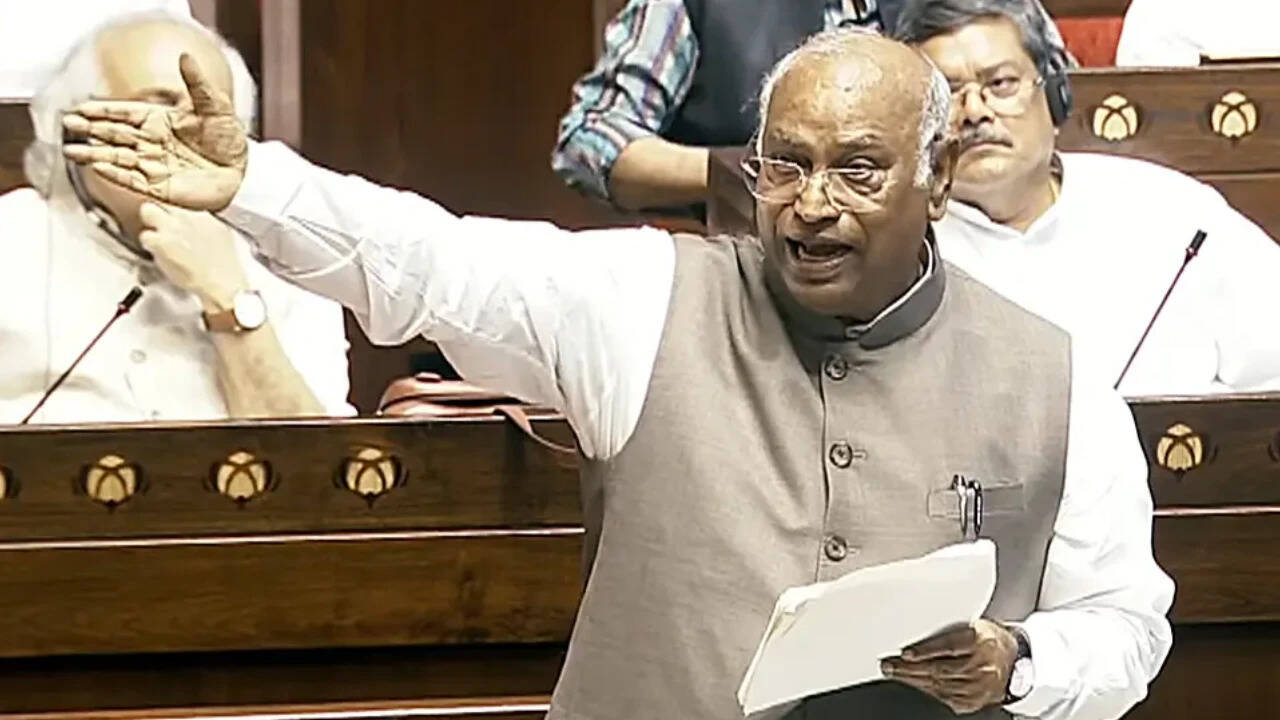
Rajya Sabha MP Moves Supreme Court Over Alleged Police Brutality During NEET Protests
Rajya Sabha MP Manoj Jha has filed a petition in the Supreme Court seeking action against Bihar Police for alleged excessive force during protests related to the NEET examination. The petition calls for FIRs against responsible officers and highlights concerns over the right to peaceful protest.
Key Highlights
- MP Manoj Jha petitions Supreme Court over Bihar police actions.
- NEET protesters allegedly faced police brutality in Bihar.
- Supreme Court views peaceful protest as constitutionally protected.
- Petition seeks FIRs against police personnel involved.
- Concerns raised about state's response to student agitations.
Rajya Sabha Member of Parliament Manoj Jha has approached the Supreme Court of India, filing a petition that seeks to address alleged instances of police brutality against protesters in Bihar. The demonstrations were reportedly in connection with the National Eligibility cum Entrance Test (NEET) examination, a significant national-level medical entrance test. The core of Jha's petition revolves around the alleged excessive force used by the Bihar Police, prompting a demand for the registration of First Information Reports (FIRs) against the police personnel deemed responsible for these actions. This move by an elected representative underscores the gravity with which the issue of law enforcement's conduct during public protests is being viewed.
The Supreme Court of India has, on multiple occasions, affirmed the fundamental right to peaceful protest as a cornerstone of democratic expression. Related reports indicate that the apex court has strongly emphasized that mere agitation or the presence of a protest cannot be a justification for the use of lathi-charge or other forms of excessive force by the police. In remarks that resonate with the concerns raised by MP Jha, the Supreme Court has stated that it "can't lathicharge just because there is agitation" and that the "right to peaceful protest is constitutionally protected." Furthermore, the Court has acknowledged the need for clear guidelines to govern police conduct during protests, suggesting a potential framework to prevent future excesses. This judicial stance provides a significant legal backdrop to Jha's petition, reinforcing the argument that any undue suppression of legitimate protest is an infringement of constitutional rights.
The context of the NEET protests themselves is crucial. The NEET exam has been a subject of scrutiny and controversy in recent years, with allegations of irregularities and concerns about the examination process. Student groups and aspirants often voice their grievances through protests, a common method of expressing dissent in a democracy. However, when these protests are met with what is perceived as disproportionate force by the authorities, it raises serious questions about the balance between maintaining law and order and upholding citizens' fundamental rights. MP Jha's petition aims to bring these alleged excesses to the attention of the highest judicial body in the country, seeking accountability and a judicial review of the actions taken by the police.
Verification of the claims in the article involves cross-referencing with reports from credible news organizations. Live Law, the source of the primary article, is a reputable legal news portal in India, known for its accurate reporting on court proceedings. The related articles from NDTV, The Hindu, and Telegraph India corroborate the Supreme Court's stance on the right to peaceful protest and the concerns about police action during agitations. While the specific details of the alleged police firing mentioned in the title might require further substantiation through official police reports or court filings, the broader narrative of a Member of Parliament approaching the Supreme Court over alleged police excesses during a protest is consistent with the information available from multiple reliable sources. The focus of the Supreme Court on protecting the right to peaceful protest suggests that such petitions are taken seriously by the judiciary.
The importance of this story lies in its implications for democratic rights in India. The right to protest is a vital mechanism for citizens to voice their concerns and hold authorities accountable. Any perceived suppression of this right, especially through alleged police brutality, has a chilling effect on public discourse and democratic participation. The Supreme Court's active engagement with these issues, as evidenced by its remarks and the consideration of Jha's petition, highlights the judiciary's role in safeguarding civil liberties. For an Indian audience, this news is highly relevant as it touches upon fundamental rights, the functioning of the justice system, and the accountability of law enforcement agencies. The potential for the Supreme Court to set new precedents or reinforce existing ones regarding the right to protest makes this a significant development.
The news category is primarily Politics and Legal Affairs, with a strong focus on Governance and Civil Liberties within India. The news is specific to India. The credibility of Live Law as a source is high, given its specialization in legal reporting and consistent accuracy. The importance score is high due to the involvement of a Member of Parliament, the Supreme Court, and the fundamental right to protest. The urgency is also high, as it concerns potential violations of constitutional rights and the immediate need for judicial intervention to ensure accountability and prevent further abuses.
Frequently Asked Questions
Who is Manoj Jha?
Manoj Jha is a Member of Parliament (Rajya Sabha) from Bihar, representing the Rashtriya Janata Dal (RJD) party. He is known for his vocal contributions in parliamentary debates and advocacy on various social and political issues.
What is the NEET examination?
NEET stands for National Eligibility cum Entrance Test. It is a highly competitive entrance examination in India for students who wish to pursue undergraduate medical courses (MBBS), dental courses (BDS), and AYUSH courses.
What is the significance of the Supreme Court's remarks on peaceful protest?
The Supreme Court's emphasis on the constitutional right to peaceful protest signifies that citizens have a fundamental right to voice their dissent through agitations. The Court has indicated that police action like lathi-charge cannot be justified merely because a protest is taking place, stressing the need for restraint and adherence to legal frameworks during such events.
What does it mean to seek FIRs against police personnel?
Seeking FIRs (First Information Reports) against police personnel means that MP Manoj Jha wants the police authorities to formally register criminal cases against officers accused of wrongdoing during the protest. This is a step towards initiating a legal investigation and holding them accountable for their actions.