Supreme Court Tariff Delay Favors Trump, Say Analysts | Quick Digest
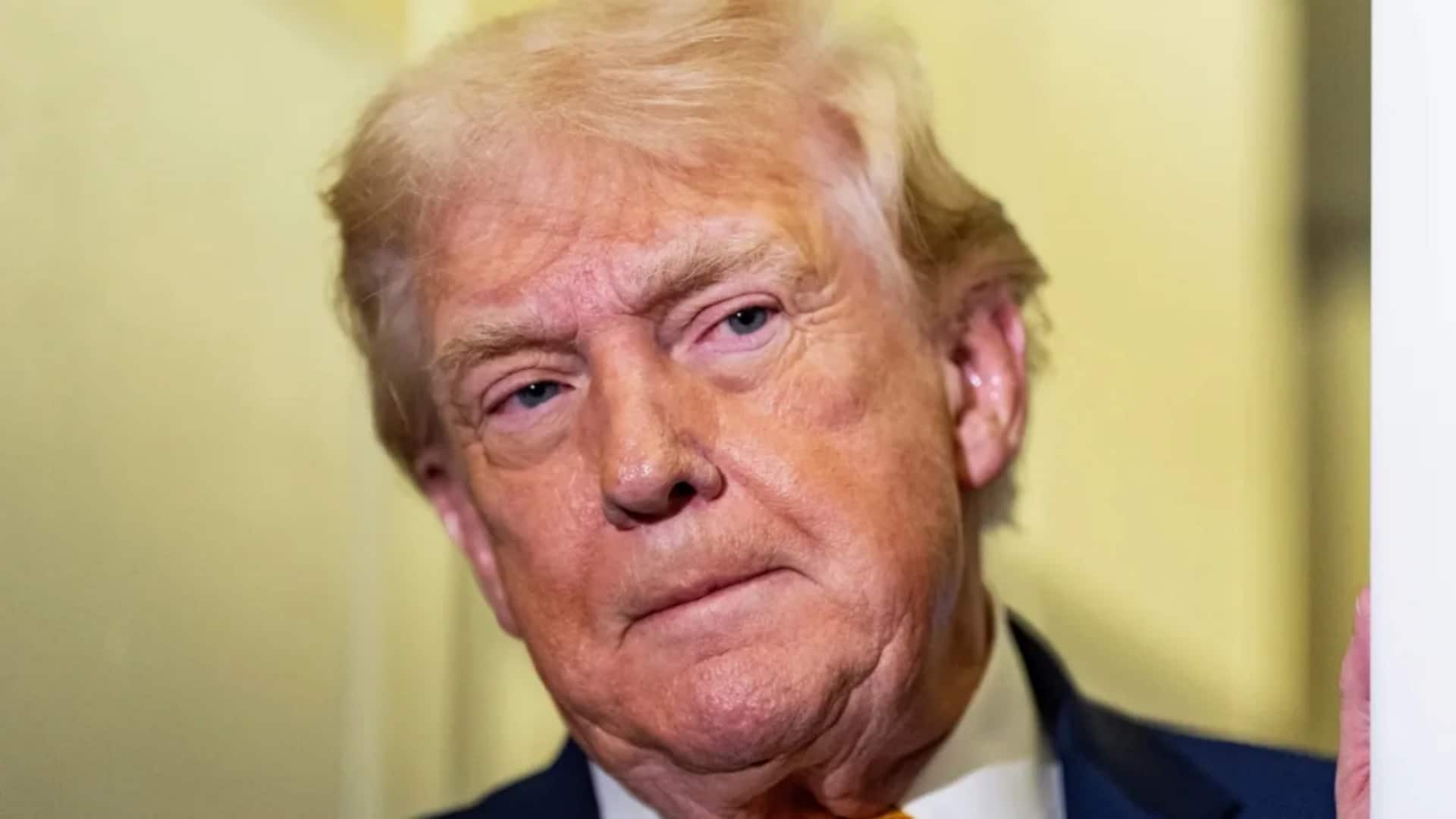
Analysts suggest prolonged Supreme Court deliberation on Trump's tariffs could benefit the former president, providing more time for the administration to navigate the complex fiscal and political implications, as lower courts have already deemed the tariffs unlawful.
Supreme Court deliberating legality of Trump's emergency tariffs.
Lower courts ruled Trump exceeded authority in imposing tariffs via IEEPA.
Analysts suggest delays increase the likelihood of Trump's position prevailing.
Trump warns of a 'complete mess' and huge refunds if tariffs are rejected.
Potential tariff refunds estimated between $150 billion and $200 billion.
The ongoing legal battle impacts global trade and presidential powers.
The Fortune article, published on January 13, 2026, accurately reports that a prolonged delay by the U.S. Supreme Court in deciding on the legality of President Trump's tariffs could be advantageous to his position. This analysis is corroborated by leading financial institutions like J.P. Morgan and Evercore ISI, whose analysts suggest that extended deliberations, especially beyond late February, might signal a less likely outcome where the court rules entirely against the administration, partly due to the complex fiscal implications and the significant nature of the case.
The Supreme Court is currently reviewing tariffs that Trump imposed by invoking the International Emergency Economic Powers Act (IEEPA). Lower courts, including the U.S. Court of International Trade and the Federal Circuit, have already ruled that Trump overstepped his authority in using IEEPA for these tariffs, with the administration appealing these decisions. The impending decision is a critical test of presidential powers and could have substantial impacts on the global economy.
President Trump himself has expressed strong concerns, publicly stating that overturning the tariffs would create a "complete mess" and lead to an "impossible" scenario of refunding potentially hundreds of billions of dollars to businesses and foreign governments. Estimates of these potential refunds range from $150 billion to $200 billion, adding a significant financial dimension to the legal battle. While a related article from Reuters suggests the U.S. Treasury could easily cover any refunds, the political and administrative complexities of such an undertaking would still be considerable. The longer the Supreme Court defers a final judgment, the more time Trump and his administration would theoretically have to manage or mitigate the potential fallout, thereby benefiting his strategic interests.
Read the full story on Quick Digest