India Battles Superbugs: Doctor Debunks Antibiotic Misuse Myths
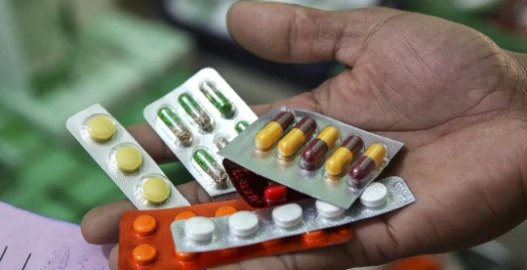
Misconceptions about antibiotic use in India are fueling the rise of dangerous superbugs. A doctor explains common myths, emphasizing that inappropriate antibiotic consumption poses a significant public health threat.
Key Highlights
- Antibiotic resistance is a growing crisis in India.
- Common myths about antibiotic usage must be debunked.
- Self-medication with antibiotics contributes to superbug proliferation.
- Doctors stress the importance of prescribed antibiotic courses.
- Proper antibiotic stewardship is crucial for public health.
The widespread misuse of antibiotics in India is a significant driver behind the escalating crisis of antibiotic resistance, leading to the emergence of 'superbugs' that are increasingly difficult to treat. This phenomenon poses a grave threat to public health, making common infections potentially fatal. To combat this growing menace, understanding and dispelling common myths surrounding antibiotic usage is paramount, as highlighted by health experts. One of the most pervasive myths is that antibiotics can cure viral infections like the common cold or flu. This is fundamentally incorrect, as antibiotics are effective only against bacteria, not viruses. Taking antibiotics for viral illnesses not only fails to provide any benefit but actively contributes to the development of resistance by exposing bacteria to the drugs unnecessarily.
Another prevalent misconception is that completing the entire prescribed course of antibiotics is not always necessary if one starts feeling better. This is a dangerous belief. When antibiotics are taken, they kill the most susceptible bacteria, but some hardier bacteria may survive. If the course is stopped prematurely, these surviving bacteria can multiply, leading to a recurrence of the infection with a more resistant strain. Doctors emphasize that patients must complete the full prescribed duration of treatment, even if symptoms improve, to ensure all targeted bacteria are eradicated.
The myth that leftover antibiotics can be saved for future use or shared with others is also a major contributor to misuse. Antibiotics are prescription medications, and their use should be guided by a healthcare professional. Saving leftover medications can lead to incorrect dosages, using them for the wrong type of infection, or delaying proper diagnosis and treatment. Sharing antibiotics is equally risky, as it bypasses professional medical assessment and can lead to inappropriate use.
Furthermore, there's a mistaken belief that broad-spectrum antibiotics are always the best choice for any infection. While broad-spectrum antibiotics target a wider range of bacteria, their overuse can accelerate resistance across many bacterial species. Doctors advocate for the use of narrow-spectrum antibiotics whenever possible, based on accurate diagnosis, to minimize the impact on the body's natural microbiome and reduce the selection pressure for resistance.
Finally, the idea that newer or stronger antibiotics are always more effective is also a fallacy. The effectiveness of an antibiotic depends on the specific bacteria causing the infection and its susceptibility patterns. Over-reliance on newer, more potent antibiotics can lead to rapid resistance development against these valuable drugs, leaving fewer options for future treatment. This underscores the critical need for judicious antibiotic prescribing, where doctors carefully select the appropriate antibiotic based on clinical evidence and diagnostic tests. The World Health Organization (WHO) has repeatedly warned about the consequences of antibiotic misuse, urging individuals to take antibiotics only as prescribed by a qualified healthcare provider to avoid higher medical costs and prolonged hospital stays. The burden of antibiotic resistance in India is particularly high, with studies indicating significant challenges in treatment due to resistant pathogens. Addressing this requires a multi-pronged approach involving public awareness campaigns, stringent regulations on antibiotic sales, and enhanced surveillance of antibiotic resistance patterns. The collective effort of healthcare professionals, policymakers, and the public is essential to preserve the efficacy of these life-saving drugs for future generations.
Frequently Asked Questions
Are antibiotics effective against viral infections like the common cold or flu?
No, antibiotics are only effective against bacterial infections, not viral ones. Taking them for viral illnesses is ineffective and contributes to antibiotic resistance.
Why is it important to complete the full course of antibiotics?
Completing the full course ensures all bacteria are killed. Stopping early can allow resistant bacteria to survive and multiply, leading to harder-to-treat infections.
Can I save leftover antibiotics for a future illness?
No, leftover antibiotics should not be saved for future use. They should only be taken as prescribed by a doctor for a specific diagnosed condition.
What are superbugs?
Superbugs are bacteria that have developed resistance to most or all available antibiotics, making infections caused by them extremely difficult or impossible to treat.