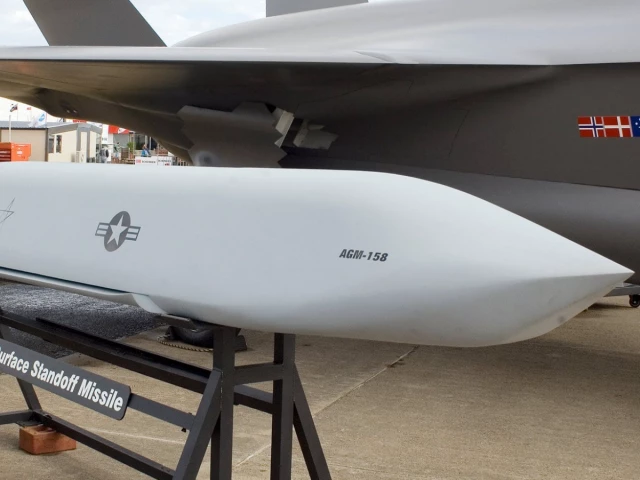
US Deploys JASSM-ER Missiles as Iran War Escalates
The US is deploying its most lethal long-range JASSM-ER missiles to the Middle East as the joint US-Israel military operation, 'Epic Fury,' against Iran intensifies, following reports of downed US aircraft and President Trump's strong threats. This move significantly depletes global missile stockpiles.
Key Highlights
- US readies JASSM-ER cruise missiles for Iran operations.
- Deployment follows downing of US aircraft by Iran.
- 'Operation Epic Fury' is ongoing US-Israel military campaign.
- Nearly entire global JASSM-ER inventory being reallocated.
- Missile depletion raises concerns for other strategic conflicts.
- Iran war impacts global economy, oil prices, and India's GDP.
The United States is actively deploying a substantial portion of its most advanced long-range JASSM-ER (Joint Air-to-Surface Standoff Missile-Extended Range) cruise missiles to the Middle East, signaling a dangerous new phase in the ongoing military conflict with Iran. This critical redeployment comes amidst reports of escalating hostilities, including the confirmed downing of US military aircraft by Iranian forces. The order to transfer these high-value weapons, each valued at approximately $1.5 million, from global stockpiles, particularly from the Pacific, was issued in late March 2026. These missiles are being consolidated at US Central Command bases and RAF Fairford in the United Kingdom, which has reportedly been pressured by the Trump administration to serve as a staging ground for operations against Iran.
The conflict, officially referred to by the US as 'Operation Epic Fury,' commenced on February 28, 2026, as a joint military operation with Israel against Iran. The initial strikes targeted Iranian leadership, including Supreme Leader Ali Khamenei, military infrastructure, and air defenses. This offensive has been characterized by intense air campaigns, with US and Israeli forces having struck over 12,300 targets across Iran since the operation's inception, including naval vessels, missile launchers, and defense manufacturing facilities.
The deployment of JASSM-ER missiles underscores a shift in US strategy towards reliance on long-range, stealth-driven strike capabilities to minimize risk to personnel. The JASSM-ER is a stealthy cruise missile capable of striking targets from over 600 miles (approximately 965-1000 km) away, designed to hit high-value, well-defended targets from a safe distance. Alongside the extended-range variant, approximately two-thirds of the shorter-range JASSM missiles, with a range of about 250 miles (402 km), have also been committed to the Iran war.
However, this extensive use is rapidly depleting US military stockpiles. More than 1,000 JASSM-ER missiles were reportedly expended in the first four weeks of Operation Epic Fury alone. From an estimated pre-war inventory of around 2,300 JASSM-ERs, only about 425 remain available globally for other regions, with roughly 75 deemed unserviceable due to damage or technical faults. Replenishing these stocks at current production rates could take years, raising concerns about the US's global warfighting capabilities, especially in potential conflicts with other advanced adversaries like China.
The "dangerous new phase" of the war is further emphasized by recent battlefield setbacks for the US. Iran's air defenses have reportedly shot down a US F-15E Strike Eagle fighter jet and an A-10 attack aircraft, and damaged two Black Hawk helicopters, exposing the continued threat posed by Tehran's capabilities to manned aircraft. President Donald Trump has reacted with strong rhetoric, threatening to bomb Iran "back to the Stone Age" and warning of "all Hell will reign down" if Iran does not open the Strait of Hormuz within 48 hours or agree to a deal. The Strait of Hormuz has been largely closed by Iranian forces, disrupting global trade and oil supplies.
In addition to missile redeployments, thousands of additional US troops are being surged into the Middle East. The 82nd Airborne Division is deploying between 3,000 and 4,000 soldiers, adding to the already significant US military presence of over 50,000 personnel in the region. These ground forces, including Marines and Army paratroopers, could be used for various operations, including potentially securing the Strait of Hormuz or targeting Kharg Island, Iran's key oil export hub.
The ongoing conflict has significant global economic ramifications, particularly for a nation like India, which is heavily reliant on imported crude oil. The war has led to disruptions in critical trade routes, a surge in global oil prices (with Brent crude surpassing $100 per barrel), and increased war-risk insurance premiums for shipping, all contributing to inflationary pressures in India. Economic analyses suggest that a persistent conflict could reduce India's real GDP growth by approximately 1 percentage point and increase retail inflation by 1.5 percentage points from baseline estimates. Furthermore, the conflict jeopardizes remittances from the nearly 10 million Indian workers in Gulf countries. The situation poses serious challenges to India's energy security and overall economic stability, necessitating strategies for trade resilience and diversification of energy imports.
Frequently Asked Questions
What are JASSM-ER missiles and why are they significant in the Iran conflict?
JASSM-ER (Joint Air-to-Surface Standoff Missile-Extended Range) are stealthy, long-range cruise missiles capable of striking targets over 600 miles away from a safe distance, designed to avoid enemy air defenses. They are considered highly lethal for precision strikes against well-defended, high-value targets, making their deployment a critical escalation in the US-Iran conflict.
What is 'Operation Epic Fury' and when did it begin?
'Operation Epic Fury' is the codename for the joint military operations launched by the United States and Israel against Iran. It began on February 28, 2026, with initial strikes targeting Iranian military infrastructure and leadership.
How has the ongoing Iran war impacted global missile stockpiles?
The extensive use of JASSM-ER missiles, with over 1,000 reportedly expended in the first four weeks, has significantly depleted global stockpiles. From a pre-war inventory of approximately 2,300 JASSM-ERs, only about 425 operational missiles remain globally, raising concerns about the sustainability of prolonged high-intensity operations and potential implications for other strategic regions.
What are the economic implications of the Iran war for India?
India faces severe economic implications due to its heavy reliance on imported crude oil. The conflict has caused significant disruptions in marine trade routes, a surge in global oil prices (above $100 per barrel), increased inflationary pressures, and a potential reduction of India's real GDP growth by approximately 1 percentage point. It also jeopardizes remittances from Indian workers in the Gulf.
What are the latest developments regarding US ground troop deployment to the Middle East?
In addition to missile deployments, thousands of additional US troops, including soldiers from the 82nd Airborne Division and Marines, are being sent to the Middle East. The total US military presence in the region now exceeds 50,000 personnel. These ground forces could be utilized for various operations, such as securing the Strait of Hormuz or targeting Iran's key oil export hub, Kharg Island.