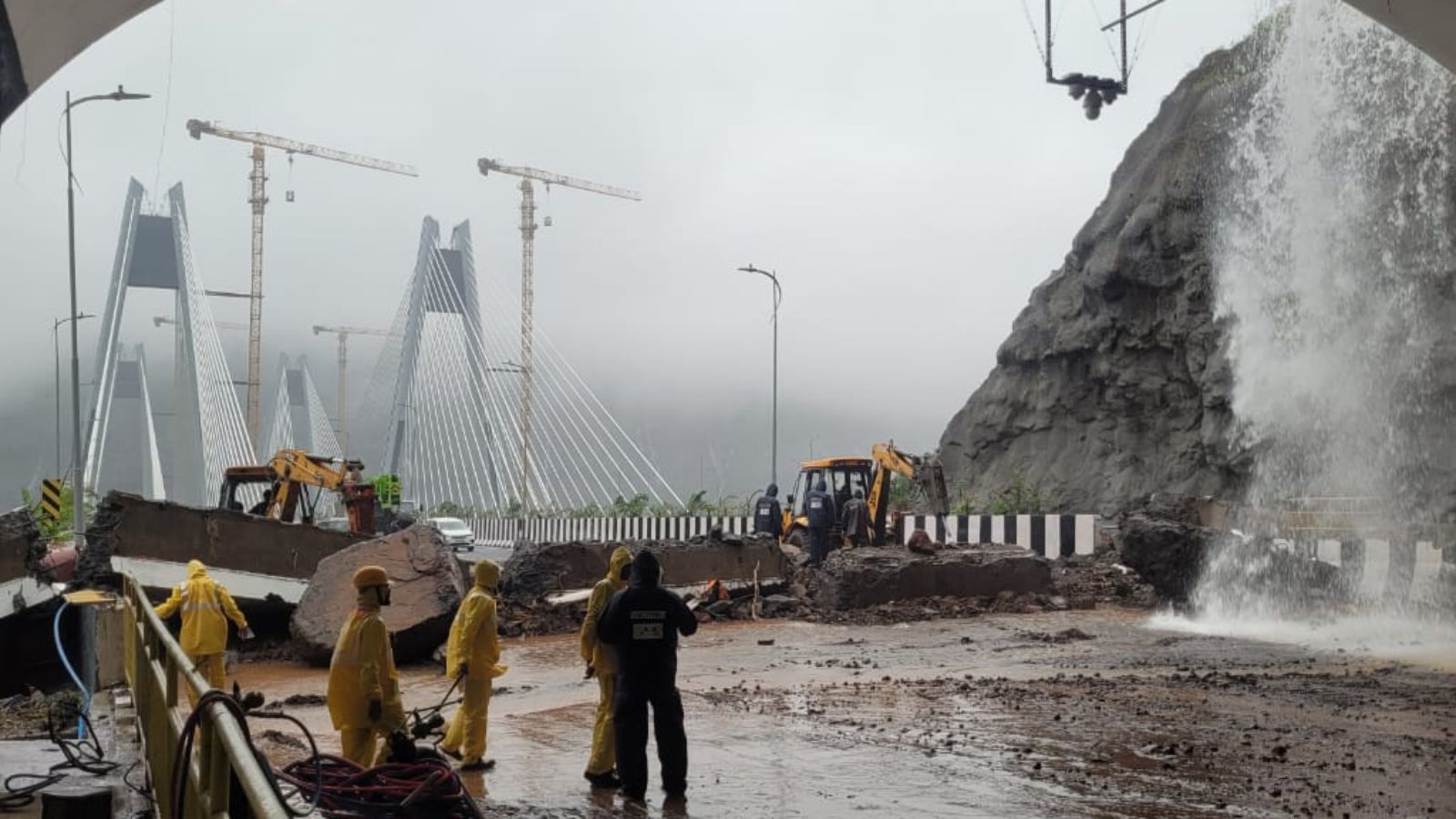
Delhi-NCR Rains: Flight Disruptions, Flooded Roads, Damaged Vehicles
Heavy rainfall in Delhi-NCR caused significant disruptions, including flight delays, waterlogged streets, and damage to vehicles. The India Meteorological Department (IMD) issued a 'yellow' alert, warning of continued adverse weather conditions.
Key Highlights
- Flight operations impacted by heavy monsoon rains in Delhi-NCR.
- Widespread waterlogging and traffic chaos reported across the region.
- Vehicles damaged due to falling trees and severe flooding.
- IMD issued a 'yellow' alert for continued rainfall and weather warnings.
Heavy monsoon rains have wreaked havoc across the Delhi-National Capital Region (NCR), leading to widespread disruptions in flight operations, severe waterlogging on roads, and considerable damage to vehicles. The India Meteorological Department (IMD) has issued a 'yellow' alert, signaling the potential for continued adverse weather conditions and advising residents to stay vigilant.
The intense downpour, characteristic of the monsoon season, has overwhelmed drainage systems in multiple areas, turning streets into virtual rivers. Key arterial roads and low-lying areas experienced significant inundation, causing extensive traffic jams and severely hampering daily commutes for residents. This has led to considerable delays and cancellations of flights at the Indira Gandhi International Airport, impacting travel plans for thousands of passengers. Visuals and reports emerging from the region show submerged vehicles, some of which have been damaged by the rising water levels or by falling trees uprooted by the strong winds accompanying the rain.
One such incident highlighted by NDTV involved a Mercedes car being crushed in Delhi's East of Kailash area after a tree fell on it amidst the downpour. Such occurrences underscore the risks posed by severe weather to life and property. News reports from The Times of India, the primary source for this article, detailed the extent of the damage and the operational challenges faced by authorities and citizens alike.
The IMD's 'yellow' alert indicates a warning of moderate to heavy rainfall, urging people to be prepared for potentially disruptive weather. This advisory is part of a broader weather pattern affecting several parts of India, as noted by Down To Earth and News On AIR, which report on intensified monsoon activity and disruptions in states like Maharashtra and Gujarat. While some reports, like one from ThePrint, indicated moderate rain was likely, the actual intensity in Delhi-NCR appears to have surpassed initial forecasts in many areas.
The impact of these heavy rains extends beyond immediate inconvenience. Waterlogging can lead to long-term damage to road infrastructure, and the constant threat of falling trees necessitates proactive measures by municipal authorities to trim branches and remove unstable trees, especially in densely populated urban areas. The disruption to flight operations also has cascading effects on the economy, affecting business travel and logistics.
Authorities have been working to manage the situation, deploying teams to clear waterlogged areas and address emergencies. However, the sheer volume of rainfall often tests the limits of urban infrastructure. The situation highlights the need for continuous monitoring of weather patterns and robust disaster preparedness plans, especially in metropolitan areas prone to waterlogging during the monsoon. Public awareness campaigns advising residents to avoid unnecessary travel during heavy downpours and to secure their vehicles in safe locations also play a crucial role in mitigating risks. The ongoing monsoon season in India, as indicated by multiple news sources, requires continued attention and preparedness from both citizens and governing bodies to manage the challenges posed by extreme weather events. The 'yellow' alert serves as a reminder that vigilance is necessary as the weather system evolves.
Frequently Asked Questions
What is the IMD's 'yellow' alert?
The IMD's 'yellow' alert is a warning issued to indicate potentially hazardous weather conditions. It advises people to be prepared for moderate to heavy rainfall, strong winds, and advises caution. It is a level below 'orange' and 'red' alerts, which signify more severe weather.
What were the main impacts of the heavy rain in Delhi-NCR?
The heavy rainfall caused significant disruptions, including delays and cancellations of flights, widespread waterlogging on roads leading to traffic chaos, and damage to vehicles due to flooding and falling trees.
Are there specific areas in Delhi-NCR that were more affected?
While the article does not specify exact areas, reports of waterlogging and vehicle damage, such as the incident in East of Kailash mentioned by NDTV, indicate that low-lying areas and densely populated zones are particularly vulnerable during heavy rainfall.
How does this rainfall compare to monsoon patterns in other parts of India?
The heavy rain in Delhi-NCR is part of a broader pattern of intensified monsoon activity across several Indian states, including Maharashtra and Gujarat, which are also facing major disruptions due to the monsoon.