Srinagar Records Season's Coldest Night at Minus 6°C Amid Dry Spell | Quick Digest
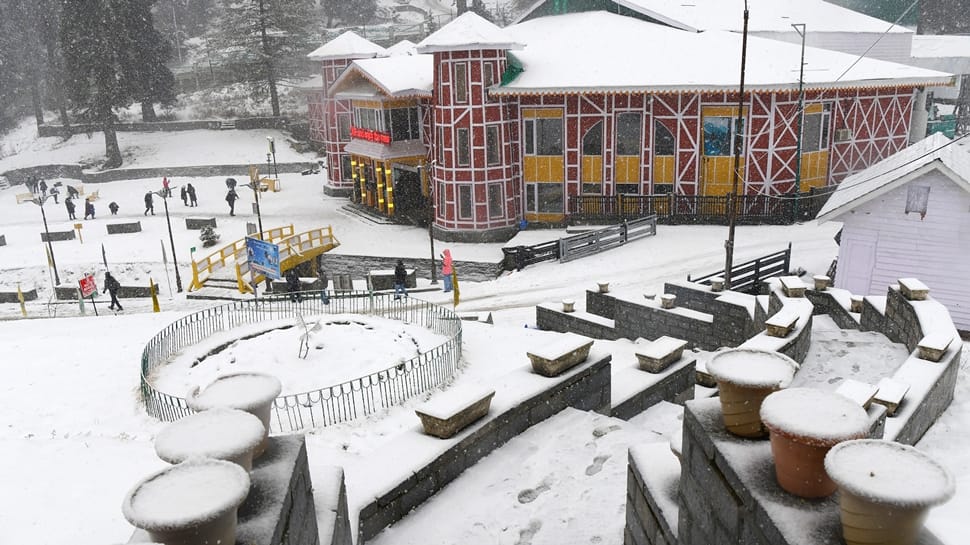
Srinagar experienced its coldest night of the season on January 8, 2026, with temperatures plummeting to minus 6.0 degrees Celsius. This severe cold wave has led to the partial freezing of Dal Lake and other water bodies, while the Kashmir plains continue to grapple with a prolonged dry spell and an absence of snowfall.
Srinagar recorded a minimum temperature of -6.0°C on January 8, 2026.
This marks the season's coldest night for the city so far.
Parts of Dal Lake and other water bodies have frozen due to intense cold.
Kashmir plains are experiencing a continued dry spell with no significant snowfall.
The Meteorological Department predicts cold, dry weather until January 20.
The ongoing 'Chillai Kalan' period is crucial for replenishing water reservoirs.
Srinagar, the summer capital of Jammu and Kashmir, has recorded its coldest night of the ongoing winter season, with temperatures dropping to a bone-chilling minus 6.0 degrees Celsius on Thursday night, January 8, 2026. This significant dip in temperature, which is 4.1 degrees below the seasonal normal, has resulted in widespread freezing across the Kashmir Valley. Parts of the iconic Dal Lake, along with other shallow water bodies and even water taps and puddles, have frozen over due to the intense cold.
The region is currently under the grip of 'Chillai Kalan', the harshest 40-day winter period that commenced on December 21 and is expected to conclude on January 30. This critical period is vital for replenishing the perennial water reservoirs in the mountains, which are crucial for agriculture, horticulture, and drinking water needs. However, the Kashmir plains have been experiencing a prolonged dry spell, with no significant snowfall reported so far this season. The Meteorological Department has forecasted a continuation of generally cold and dry weather until January 20, with only a minimal chance of isolated rain or snow in the higher reaches. This extended dry spell is raising concerns among locals and officials alike regarding its potential impact on water resources and the overall ecosystem. Such severe cold conditions have also led to an increased rush of patients to pulmonologists and cardiologists, as chest and heart-related ailments are on the rise, prompting doctors to advise vulnerable individuals to take extra precautions and avoid venturing out.
Read the full story on Quick Digest