IMF Warns Middle East Conflict Risks Global Inflation Surge
The International Monetary Fund (IMF) has cautioned that the escalating conflict in the Middle East poses a significant threat to global inflation, primarily due to potential disruptions in oil supply and price hikes. IMF Managing Director Kristalina Georgieva advised policymakers to "think of the unthinkable and prepare" for economic shocks, as a sustained 10% increase in oil prices could raise global inflation by 40 basis points. The conflict's impact extends to global trade routes, particularly the Strait of Hormuz, and has already led to a surge in oil prices, nearing $120 a barrel at one point.
Key Highlights
- Middle East conflict threatens global inflation via oil price hikes.
- IMF chief advises policymakers to prepare for economic shocks.
- A 10% oil price rise could increase global inflation by 40 basis points.
- Strait of Hormuz disruptions exacerbate supply concerns.
- India faces economic risks including inflation and rupee depreciation.
The escalating conflict in the Middle East presents a significant risk of driving up global inflation, according to International Monetary Fund (IMF) Managing Director Kristalina Georgieva. Speaking at a symposium hosted by Japan's finance ministry, Georgieva issued a stark warning, advising policymakers worldwide to "think of the unthinkable and prepare" for potential economic fallout. Her primary concern stems from the potential for sustained increases in oil prices due to disruptions in energy supply chains. Georgieva elaborated that a 10% rise in oil prices, if it persists for most of the year, could lead to a 40-basis-point increase in global inflation.
The conflict has already sent oil prices soaring, with Brent crude and West Texas Intermediate (WTI) briefly nearing $120 a barrel, levels not seen since mid-2022. This surge is largely attributed to fears of supply squeezes and disruptions to shipping through the critical Strait of Hormuz, through which approximately 20% of global oil supply passes. Major Gulf producers, including the United Arab Emirates and Kuwait, have begun curtailing output as storage capacity fills amid widespread supply disruptions. Analysts warn that a sustained closure of the Strait of Hormuz could rival the energy shock experienced during the 2022 Russia-Ukraine conflict. The Middle East conflict is not only impacting energy markets but also raising concerns about stagflation – a scenario of stagnant economic growth coupled with rising inflation.
The implications of this Middle East conflict extend to various economies, with particular attention paid to India. Moody's Ratings has warned that India's economy could face rising risks, including higher inflation, a weakened rupee, and a widened current account deficit, if energy supplies are disrupted and global oil prices escalate. India's vulnerability is heightened by its significant reliance on energy imports from the Middle East, with nearly 46% of its crude oil and liquefied natural gas (LNG) imports originating from the region. A prolonged disruption to shipping through the Strait of Hormuz could impact India's import costs and remittances from Middle Eastern countries. SBI Research reports suggest that while India might be relatively insulated compared to other economies, a sustained closure of the Strait of Hormuz could disrupt supplies and increase import costs for the country. The report estimates that every $10 per barrel rise in crude prices could widen India's current account deficit by about 36 basis points, increase inflation by 35-40 basis points, and reduce GDP growth by 20-25 basis points. In a worst-case scenario, where oil prices reach $130 per barrel, India's GDP growth could slow significantly.
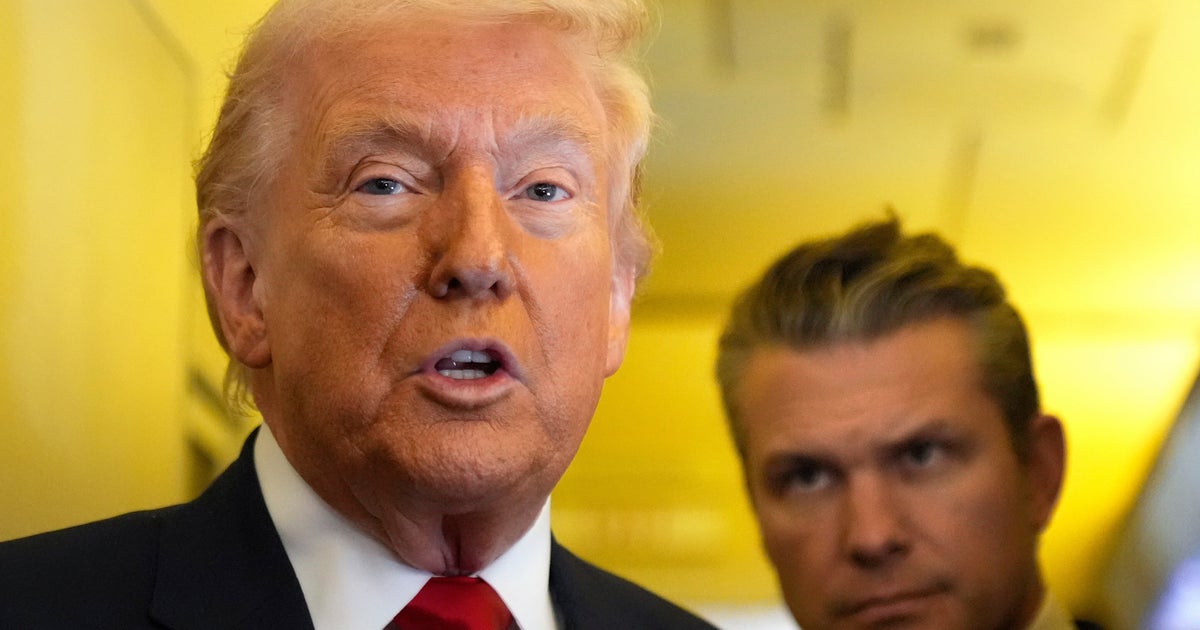
Economists and analysts have highlighted the broader economic consequences, including potential impacts on global growth. The IMF has projected that a sustained 10% increase in oil prices could also slow global economic growth by 0.1% to 0.2%. U.S. President Donald Trump acknowledged that oil prices would remain elevated in the short term, framing it as a necessary cost for safety and peace, though he also indicated prices would fall rapidly once the "Iran nuclear threat" is over. The situation underscores the interconnectedness of geopolitical events with global economic stability and the need for robust policy frameworks and contingency planning by governments and central banks to navigate these "unthinkable" challenges. The IMF plans to release a more detailed analysis in its upcoming World Economic Outlook report in April.
Frequently Asked Questions
What is the IMF's main concern regarding the Middle East conflict?
The IMF's primary concern is that the escalating conflict in the Middle East could lead to a significant rise in global inflation due to potential disruptions in oil supply and subsequent price increases.
How much could global inflation rise if oil prices increase due to the conflict?
According to IMF Managing Director Kristalina Georgieva, a sustained 10% increase in oil prices persisting for most of the year could lead to a 40-basis-point increase in global inflation.
What is the significance of the Strait of Hormuz in this context?
The Strait of Hormuz is a crucial maritime chokepoint through which approximately 20% of the world's oil supply passes. Disruptions or closure of this strait due to the conflict can severely impact global oil supply and drive up prices.
How might the Middle East conflict affect India's economy?
India's economy could face risks such as increased inflation, a weaker rupee, and a wider current account deficit due to its heavy reliance on oil imports from the Middle East. Disruptions to shipping routes could also increase import costs.
What is the IMF's advice to policymakers?
IMF chief Kristalina Georgieva has advised policymakers worldwide to "think of the unthinkable and prepare" for potential economic shocks stemming from the Middle East conflict, emphasizing the need for resilience and contingency planning.