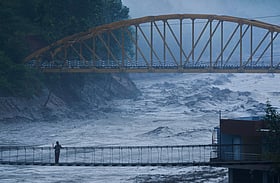
Nepal Floods: Devastation, High Death Toll, India's Concern
Devastating flash floods in Nepal, triggered by a glacial collapse on August 26, 2026, have resulted in nearly 800 deaths and over 2,500 missing, including many Indians. Extensive damage to infrastructure has severely impacted multiple districts, with ongoing rescue operations and warnings of further flooding.
Key Highlights
- Nepal floods began August 26, 2026, from glacial collapse.
- Death toll nears 800, over 2,500 people remain missing.
- India concerned, 275 nationals among missing.
- Widespread destruction of homes, roads, and bridges reported.
- Rescue efforts ongoing; fresh flood warnings issued.
- Bhotekoshi River experienced massive, destructive surge.
Nepal has been engulfed in a catastrophic flash flood disaster since Wednesday, August 26, 2026, following what is believed to be a rapid slope failure involving a glacier high in the Himalayan region. This seismic event, registering as a magnitude 5.2, caused a massive surge of mud, rock, and water that swept down the valleys, primarily impacting the Bhotekoshi and Trishuli rivers.
The immediate aftermath saw widespread devastation, particularly in districts along the Nepal-China border and downstream. Rasuwa, Nuwakot, Dhading, Chitwan, Gorkha, Nawalparasi East, Nawalparasi West, Tanahu, and Rasuwa have been identified as some of the worst-hit areas, where entire settlements have been submerged in debris and critical infrastructure destroyed. A vital highway connecting Kathmandu to the affected regions has been severely damaged or washed away, alongside numerous motorable and suspension bridges, including the strategic Miteri Bridge at the Nepal-China border crossing. Power plants in the affected zones have also sustained significant damage, impacting electricity supply to thousands.
As of Sunday, August 30, 2026, the death toll from the floods has tragically escalated, reaching approximately 788 to 800 in Nepal alone. Additionally, Chinese authorities have reported 16 deaths on their side of the border in Tibet. The number of missing individuals remains alarmingly high, with estimates ranging from over 2,500 to 3,000 across both Nepal and Tibet. This figure includes hundreds of foreign nationals who were in the region for work, trekking, or pilgrimage to sacred sites like Mount Kailash.
India has expressed significant concern, as at least 275 Indian nationals are among those still unaccounted for, according to reports from August 30, 2026. Earlier reports on August 27, 2026, indicated 288 Indian nationals were uncontactable, including 73 workers at the Trishuli-1 power project. The Indian Embassy in Kathmandu is actively engaged with project heads and local authorities to ascertain the status of its citizens and facilitate rescue efforts. Eight Assam residents, initially reported missing, have been safely rescued. India has also deployed specialized teams for tunnel search and rescue operations, working in close coordination with the Nepali Army at hydropower tunnel sites in areas like Chilime and Langtang. Furthermore, India is monitoring downstream river levels, especially in states like Bihar and Uttar Pradesh, although no adverse impact has been reported there so far, with precautionary teams deployed.
Rescue and relief operations are ongoing but heavily hampered by the challenging terrain, persistent rainfall, and the sheer scale of the destruction. The Nepali Army, Nepal Police, and Armed Police Force are leading the efforts, supported by international humanitarian organizations such as the International Federation of Red Cross and Red Crescent Societies (IFRC) and CARE Nepal, which are providing essential aid like clean water, shelter, first aid, and emergency supplies. Helicopters are being utilized to transport aid and evacuate survivors from cut-off areas.
Compounding the crisis, authorities in Nepal issued fresh warnings on Sunday, August 30, 2026, regarding rising water levels in the Bhotekoshi River, urging residents in flood-affected districts to remain on high alert for possible renewed flooding. This ongoing threat underscores the precarious situation and the long-term challenges in recovery and rebuilding. The incident has also highlighted the fragility of the Hindu Kush Himalayas, with the UN climate chief noting that a warming climate is making such devastating events more likely and frequent.
The NDTV ground report, along with other credible sources like The Hindu, The Times of India, CBS News, The Rising Nepal, and USGS, consistently portrays a dire situation of unprecedented scale and impact. The initial report and subsequent live updates from NDTV accurately reflect the evolving and tragic nature of the disaster, focusing on the human toll and the immense challenges faced by rescue and relief teams.
Frequently Asked Questions
What caused the recent catastrophic floods in Nepal?
The recent catastrophic floods in Nepal were triggered by a massive surge of mud, rock, and water on August 26, 2026, following a likely rapid slope failure involving a glacier high in the Himalayan region, which registered as a magnitude 5.2 seismic event.
What is the current death toll and number of missing people in the Nepal floods?
As of August 30, 2026, the death toll in Nepal has risen to approximately 788-800, with an additional 16 deaths reported in Tibet. Over 2,500 to 3,000 people remain missing across both regions.
How has India been affected by the Nepal floods?
India is significantly affected as at least 275 Indian nationals are among the missing. India has deployed specialized teams for search and rescue operations and is closely monitoring river levels in downstream states like Bihar and Uttar Pradesh.
Which areas in Nepal are most severely affected?
The floods have severely impacted districts including Rasuwa, Nuwakot, Dhading, Chitwan, Gorkha, Nawalparasi East, Nawalparasi West, Tanahu, and Rasuwa, with widespread destruction of homes, roads, and bridges.
Are there ongoing risks of further flooding in Nepal?
Yes, authorities in Nepal issued warnings on August 30, 2026, of possible fresh flooding due to rising water levels in the Bhotekoshi River, urging residents in affected areas to remain on high alert.