LPG Crisis in India Triggers Surge in Induction Stove Demand
India is experiencing an LPG shortage due to geopolitical tensions in West Asia, leading to a significant surge in demand for induction stoves as consumers seek alternatives. Online platforms have reported a twentyfold increase in induction cooktop sales within 24 hours, with major appliance manufacturers seeing their stocks depleted.
Key Highlights
- LPG supply disruptions in India are linked to global geopolitical tensions.
- Induction stove sales have seen a massive surge across online and offline platforms.
- Commercial LPG users like restaurants are affected more severely than domestic users.
- Government prioritizes domestic LPG supply, leading to shortages for businesses.
- The crisis highlights India's dependence on LPG imports.
- Appliance manufacturers are struggling to meet the unprecedented demand for induction stoves.
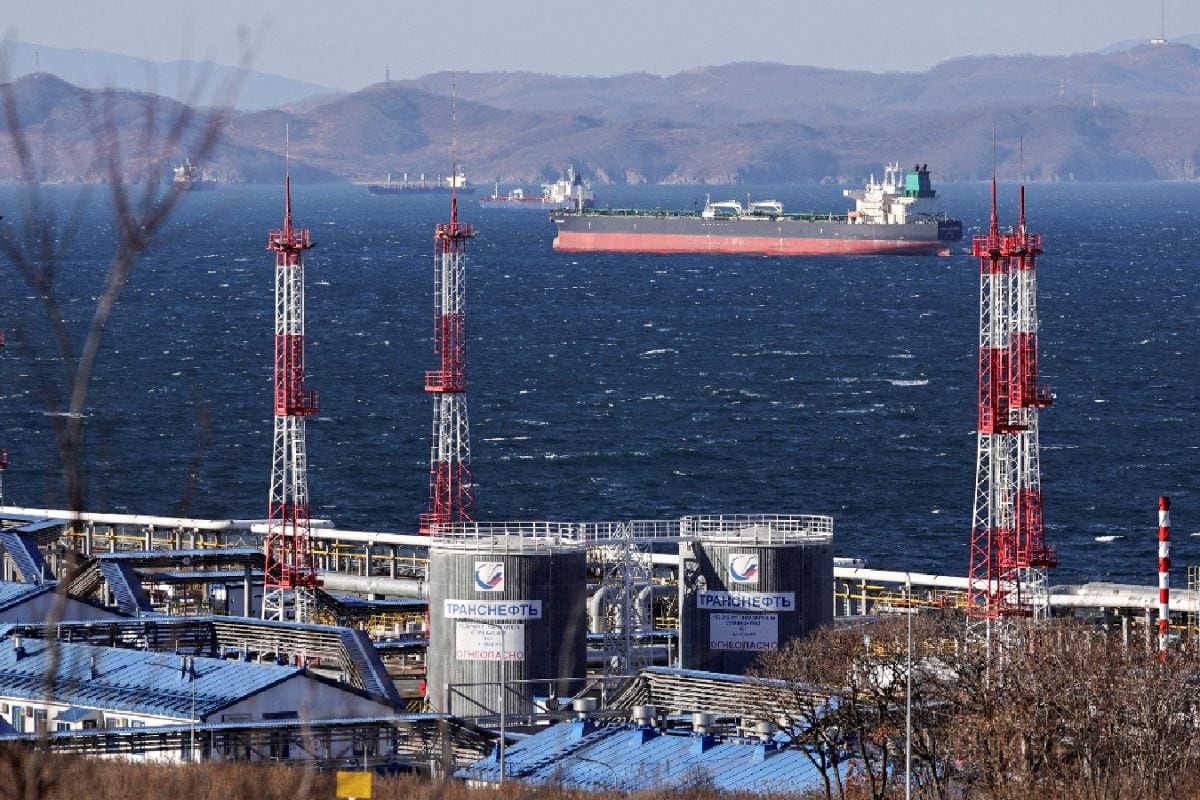
India is currently grappling with a significant shortage of Liquefied Petroleum Gas (LPG), a crisis exacerbated by escalating geopolitical tensions in West Asia, particularly concerning the Strait of Hormuz, a critical global energy trade route [7, 8, 9]. This disruption in supply chains has led to a palpable surge in demand for alternative cooking solutions, with induction stoves experiencing an unprecedented boom in sales across the country [9, 10, 12].
The crisis stems from India's heavy reliance on LPG imports, with approximately 62% of the nation's demand met through international sourcing, making it vulnerable to global energy shocks [8, 9, 20]. The ongoing conflict involving the US, Iran, and Iraq has directly impacted shipping routes and energy infrastructure, leading to delays and disruptions in LPG shipments [8]. This has resulted in a discernible supply crunch, with commercial users such as restaurants and hotels bearing the brunt of the shortages first, as the government prioritizes domestic cooking gas supply [8, 13, 25].
The impact on the hospitality sector has been severe, with reports of restaurants in major cities like Mumbai, Bengaluru, and Chennai facing supply interruptions, some even resorting to temporary closures or reducing their menus [7, 13, 17, 25]. In Mumbai alone, nearly 20% of hotels and restaurants have reportedly shut down due to these supply disruptions [13]. The scarcity has also led to panic buying among consumers, with many rushing to gas agencies to secure cylinders [7].
In response to the LPG crisis, consumers are rapidly shifting towards electric cooking alternatives, driving a massive spike in induction stove sales. E-commerce platforms have witnessed extraordinary demand; Amazon India reported a twentyfold increase in induction cooktop sales in the last 24 hours compared to daily averages, while Flipkart saw sales triple over the previous four to five days [9, 10, 12]. Retailers like Croma and Vijay Sales have also reported a three to fourfold increase in sales, with some models quickly going 'unavailable' or 'sold out' [9, 10, 22]. Stovekraft, a prominent appliance maker, is reportedly nearing its monthly production capacity, with weekly sales quadrupling [9]. This surge has also positively impacted the stock market, with shares of kitchen appliance manufacturers like TTK Prestige, Butterfly Gandhimathi Appliances, and Stovekraft rallying significantly [9].
The Indian government has acknowledged the situation and is taking steps to mitigate the crisis. It has invoked the Essential Commodities Act, 1955, to regulate the availability, supply, and equitable distribution of petroleum products [26]. Refineries have been directed to maximize LPG production, with output reportedly increased by about 10% to stabilize supplies [13, 27]. The government is prioritizing domestic cooking gas supply for households [8, 25].
The current situation underscores India's vulnerability to global energy market fluctuations and highlights the need for diversifying energy sources and strengthening domestic production [8, 9]. While the LPG crisis has provided a significant short-term boost to the induction cooktop market, the long-term outlook for this sector is also strong, driven by factors such as urbanization, rising incomes, and a preference for energy-efficient products [9]. The market for induction cooktops in India was already projected for substantial growth, and this crisis is likely to accelerate that trend [9, 11, 14].
Despite the government's assurances and efforts to stabilize supply, concerns linger among consumers and businesses about the duration of the crisis and its potential impact on household budgets and business operations. The surge in induction stove sales is a clear indicator of consumers seeking reliable and sustainable cooking solutions in the face of energy insecurity. This event could mark a pivotal moment in India's transition towards more diverse and resilient cooking energy options.
Frequently Asked Questions
What is causing the LPG shortage in India?
The LPG shortage in India is primarily caused by geopolitical tensions in West Asia, which have disrupted global energy supply chains and shipping routes, particularly through the Strait of Hormuz. India's heavy reliance on LPG imports makes it vulnerable to these disruptions.
How is the LPG shortage affecting businesses in India?
Businesses, especially restaurants and hotels, are facing significant challenges due to the LPG shortage. They are experiencing disruptions in supply, leading to potential menu changes, increased operating costs, and in some cases, temporary closures. The government's prioritization of domestic LPG supply for households exacerbates this situation for commercial users.
Why are induction stove sales skyrocketing?
With LPG becoming scarce and its prices increasing, consumers are actively seeking alternatives. Induction stoves, which use electricity, are seen as a reliable and efficient substitute for gas cooking. This has led to an unprecedented surge in demand for induction cooktops across both online and offline retail channels.
What steps is the Indian government taking to address the LPG crisis?
The Indian government has invoked the Essential Commodities Act to regulate LPG distribution and has directed refineries to maximize production. They are prioritizing domestic LPG supply for households and are working to stabilize the supply chain amidst global disruptions.