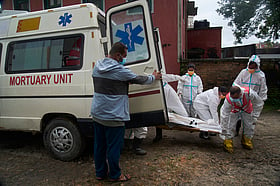
Nepal Floods: Two Hydropower Workers Rescued Alive from Tunnel
Nine days after devastating flash floods, two hydropower workers were dramatically rescued alive from the Trishuli 3A tunnel in Nepal. The floods, caused by a glacier collapse, have claimed over 1,200 lives and left thousands missing, with rescue efforts continuing amidst widespread devastation.
Key Highlights
- Two hydropower workers rescued alive from Trishuli 3A tunnel in Nepal.
- Rescues occurred nine days after catastrophic flash floods on August 26, 2026.
- Floods, likely from glacier collapse, killed over 1,200 with thousands missing.
- Rescued workers identified as Sanjay Shah (foreman) and Kabir Maharjan (supervisor).
- Many other workers remain trapped, with hopes raised by the successful rescues.
- Extensive damage to infrastructure and hydropower projects reported across Nepal.
Nepal experienced devastating flash floods and debris flows on August 26, 2026, primarily affecting the Rasuwa, Nuwakot, Dhading, Gorkha, and Tanahun Districts along the Nepal-Tibet border. The catastrophe, believed to have been triggered by a massive ice and rock avalanche from a glacier on Langtang Lirung in the Himalayas, caused a powerful surge of water down the Bhote Koshi and Trishuli Rivers. This event resulted in widespread destruction, washing away homes, roads, and bridges, and cutting off entire communities.
The human toll of the disaster has been immense, with reports confirming over 1,280 deaths in Nepal and more than 5,600 people still missing as of September 4, 2026. An additional 21 deaths and 541 missing persons were reported in the Tibet Autonomous Region of China, highlighting the cross-border impact of the floods. The sheer force of the floodwaters was such that the bodies of some victims were carried as far as 240 kilometers into neighboring India. Around 65,000 people, including 22,100 children, have been directly affected by the floods.
Amidst the widespread devastation, a dramatic rescue operation on Friday, September 4, 2026, brought a ray of hope when two hydropower workers were pulled alive from a tunnel at the Trishuli 3A hydropower project. The two men, identified as Sanjay Shah, a 30-year-old mechanical foreman, and Kabir Maharjan, a 45-year-old mechanical supervisor, had been trapped approximately 170 meters inside the tunnel for nine days. Their rescue followed continuous efforts by emergency teams, including the Nepal Army and specialist crews, who worked relentlessly to clear thick mud and heavy debris blocking the tunnel entrances.
The rescue was initiated after search teams detected voices from inside the tunnel on Friday morning, confirming that survivors were still present. Images and videos showed the rescued workers, covered in mud but conscious, being carried out by rescuers to cheers from the teams. Both men were immediately provided emergency care and then flown to a hospital in Kathmandu for further treatment. While Sanjay Shah was reported to be in stable condition, Kabir Maharjan suffered from mild hypothermia and severe exhaustion.
The Trishuli 3A hydropower project is one of at least 12 hydropower projects severely impacted by the floods, with a combined capacity of about 748 megawatts. The Independent Power Producers Association of Nepal reported that at least 557 workers are missing from the Trishuli 3A project alone, with approximately 115 believed to be trapped in its main tunnel. Across all affected hydropower projects, about 900 workers remain missing, and around 500 are thought to be trapped in various tunnels. The rescued workers indicated that more people might still be alive inside the tunnels, fueling ongoing search and rescue efforts.
Logistical challenges due to damaged infrastructure, including 32 bridges and nearly 40 kilometers of roads, have significantly hampered rescue and aid distribution. The overland route linking Kathmandu to Tibet was completely cut off, with critical border crossings like Gyirong Port destroyed. Aid organizations like UNICEF and CARE Nepal are working with the Nepalese government to provide urgent support, including healthcare, nutrition, safe water, and child protection services. The Nepalese Prime Minister has also appealed to the international community to address climate change more seriously, recognizing Nepal's vulnerability to such extreme weather events.
Frequently Asked Questions
What caused the flash floods in Nepal?
The devastating flash floods on August 26, 2026, are believed to have been triggered by a massive ice and rock avalanche from a glacier on Langtang Lirung, high in the Himalayas near the Nepal-Tibet border. This caused a powerful surge of water to rush down the Bhote Koshi and Trishuli Rivers.
How many people were affected by the Nepal floods?
As of September 4, 2026, over 1,280 people have been confirmed dead in Nepal, with more than 5,600 still missing. Additionally, 21 deaths and 541 missing persons were reported in China's Tibet Autonomous Region. Approximately 65,000 people, including 22,100 children, have been directly affected in Nepal.
Who were the workers rescued from the tunnel and where?
Two hydropower workers, Sanjay Shah (30, mechanical foreman) and Kabir Maharjan (45, mechanical supervisor), were rescued alive from the Trishuli 3A hydropower project tunnel in Nepal's Rasuwa district on September 4, 2026, after being trapped for nine days.
Are there still people trapped in the tunnels?
Yes, rescue operations are ongoing. At least 557 workers are missing from the Trishuli 3A project, with about 115 believed to be in the main tunnel. Across all affected hydropower projects, around 900 workers are missing, with approximately 500 thought to be trapped in various tunnels. The rescued workers indicated that more survivors might still be inside.
What is the impact of these floods on infrastructure and regional connectivity?
The floods caused extensive damage to infrastructure, including the destruction of 32 bridges and nearly 40 kilometers of roads, completely cutting off the overland route between Kathmandu and Tibet. Critical border crossings like Gyirong Port were also severely affected. At least 12 hydropower and solar projects were damaged.