IAEA Confirms Strikes Near Iran's Bushehr Nuclear Plant, No Damage Reported
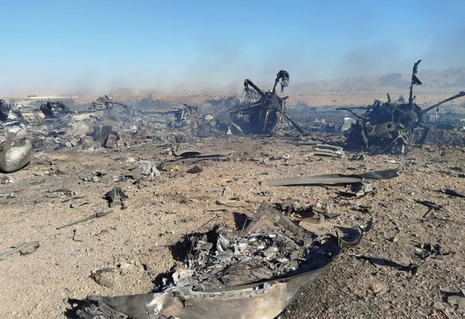
Multiple sources confirm that US-Israeli strikes have impacted areas near Iran's Bushehr nuclear power plant, resulting in one fatality. The International Atomic Energy Agency (IAEA) has verified these strikes through satellite imagery but states the plant itself sustained no damage. Iran's Foreign Minister has warned of potential radioactive contamination and severe regional consequences.
Key Highlights
- US-Israeli strikes confirmed near Bushehr nuclear plant.
- One security staff member killed; auxiliary building damaged.
- IAEA confirms no damage to the plant itself.
- Iran warns of regional radioactive contamination risk.
- Russia is evacuating personnel from the Bushehr facility.
Recent military actions have targeted areas near Iran's Bushehr nuclear power plant, prompting international concern about nuclear safety and the potential for radioactive contamination. The International Atomic Energy Agency (IAEA) has confirmed that strikes have occurred close to the plant's perimeter, with one impact detected just 75 meters away. However, the IAEA, citing its independent analysis of satellite imagery, has stated that the Bushehr nuclear power plant itself sustained no damage from these incidents.
Iranian officials reported that the latest strike, which occurred on April 4, 2026, resulted in the death of one member of the site's physical protection staff and damaged an auxiliary building. This incident marks the fourth reported strike near the Bushehr facility in recent weeks amidst the ongoing conflict involving Iran, Israel, and the United States. Iran's Foreign Minister, Abbas Araghchi, has formally written to the UN Secretary-General, expressing deep concern over these attacks. He warned that the proximity of these strikes to an active nuclear facility creates an "intolerable situation" and poses a serious risk of radioactive release with grave human and environmental consequences for the entire region. Araghchi specifically highlighted that any radioactive fallout would disproportionately affect Gulf Cooperation Council (GCC) capitals due to Bushehr's coastal location.
The World Health Organization (WHO) has also raised alarms regarding the safety of Iran's nuclear facilities. WHO Director-General Tedros Adhanom Ghebreyesus echoed the IAEA's concerns, stating that a strike could trigger a nuclear accident with devastating health impacts for generations and urged for de-escalation.
In response to the escalating tensions and potential risks, Russia, which has been involved in the construction and operation of the Bushehr plant, has begun evacuating its personnel. Rosatom, Russia's state nuclear corporation, reported that a main wave of evacuation, comprising 198 staff, was underway, with buses en route to the Armenian border. While some employees have chosen to remain to monitor operations, the withdrawal highlights the precarious security situation.
The IAEA's Director General, Rafael Grossi, has repeatedly emphasized the importance of adhering to the "Seven Indispensable Pillars" for nuclear safety and security during armed conflict, which include maintaining the physical integrity of facilities, ensuring functional safety systems, and allowing operating staff to make decisions free from undue pressure. He has stressed that nuclear power plant sites and their surrounding areas must never be targeted to avoid the risk of a nuclear accident.
Experts have also warned that a direct strike on the Bushehr reactor or its spent fuel storage could have catastrophic consequences for the Persian Gulf region, including widespread water contamination, as Gulf countries rely heavily on desalination, which is not designed to filter radioactive materials. This situation underscores the critical need for maximum military restraint to prevent a nuclear incident.
Frequently Asked Questions
What happened at the Bushehr nuclear power plant?
Strikes occurred near the Bushehr nuclear power plant in Iran, resulting in one fatality and damage to an auxiliary building. The International Atomic Energy Agency (IAEA) confirmed the strikes but stated the plant itself was undamaged.
What are the concerns about radioactive contamination?
Iran's Foreign Minister has warned that the strikes pose a serious risk of radioactive contamination with grave consequences for the region, particularly for Gulf nations due to their reliance on desalination.
What is Russia's role in the Bushehr plant, and what is it doing?
Russia helped construct and operate the Bushehr plant. Amid the escalating conflict and safety concerns, Russia has begun evacuating its personnel from the facility.