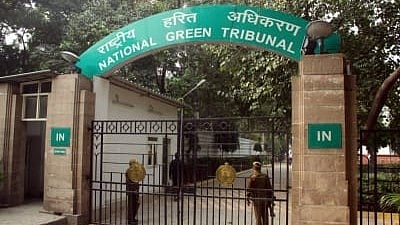
NGT warns southern states on clean air fund utilisation, threatens fines
The National Green Tribunal (NGT) has sternly warned southern Indian states against the underutilization of funds allocated for air quality improvement. Citing alarming pollution levels, the tribunal has threatened substantial fines if the allocated resources are not effectively deployed to combat air pollution. This directive underscores the critical need for immediate action to address deteriorating air quality across the region.
Key Highlights
- NGT issues stern warning to southern states over clean air funds.
- Fines threatened for non-utilisation of air quality improvement budgets.
- Pollution levels in southern states cited as a major concern.
- Tribunal emphasizes urgent need for effective fund deployment.
- Directive highlights critical status of air quality management.
The National Green Tribunal (NGT) has issued a strong directive to several southern Indian states, including Karnataka, Kerala, Tamil Nadu, Andhra Pradesh, and Telangana, highlighting the critical underutilization of funds designated for combating air pollution. The tribunal expressed grave concern over the continued deterioration of air quality in these regions and warned of significant financial penalties if the allocated resources are not promptly and effectively utilized for implementing pollution control measures. The NGT's bench, headed by Chairperson Justice Prakash Shrivastava, was reportedly reviewing reports on the implementation of the National Clean Air Programme (NCAP) and the status of funds disbursed to states for air quality improvement initiatives.
The NGT's observation stems from reports indicating a significant lag in the operationalization of action plans aimed at reducing air pollution. These action plans typically involve measures such as increasing green cover, controlling dust from construction activities, regulating industrial emissions, promoting public transportation, and phasing out polluting vehicles. The failure to utilize allocated funds directly translates into a lack of concrete action on the ground, exacerbating the public health crisis posed by poor air quality.
Air pollution is a pervasive issue across India, with significant health consequences, including respiratory illnesses, cardiovascular diseases, and premature deaths. Southern Indian states, despite often being perceived as more developed, are not immune to these challenges. Factors contributing to air pollution in these regions include vehicular emissions, industrial discharge, dust from construction and road works, and agricultural burning in certain areas. The NGT's intervention signifies a crucial step towards ensuring accountability and pushing for tangible progress in air quality management.
The tribunal's stance is rooted in its mandate to protect and improve the environment and to prevent and control environmental pollution. By threatening fines, the NGT aims to create a sense of urgency and ensure that state governments prioritize environmental protection and allocate resources judiciously. The directive also implies a need for greater transparency and efficiency in the management of these funds, ensuring that they are channeled towards effective, on-ground solutions rather than remaining as dormant balances.
This stern warning serves as a wake-up call for the southern states to accelerate their efforts in implementing the Clean Air Action Plans. It underscores the importance of a multi-pronged approach involving robust policy frameworks, adequate financial allocation, efficient fund utilization, and strict monitoring mechanisms. The NGT's proactive stance is vital in holding authorities accountable and driving the necessary changes to ensure cleaner air for millions of citizens. The effectiveness of these measures will be closely watched, as the health and well-being of the population depend on successful air quality improvements.
Reports indicate that the NGT has been consistently monitoring the air quality situation across the country, often taking suo motu cognizones of environmental issues. The specific focus on southern states in this instance suggests a detailed review of their performance in utilizing clean air funds. The tribunal expects states to demonstrate concrete progress in reducing particulate matter (PM2.5 and PM10) concentrations, which are major indicators of air pollution. The fines, if imposed, could range from substantial amounts to a percentage of the unutilized funds, serving as a strong deterrent against complacency.
Furthermore, the NGT's directive emphasizes the interconnectedness of environmental governance and public health. Poor air quality is not merely an environmental issue but a significant public health emergency, leading to increased healthcare burdens and reduced quality of life. By pressuring states to utilize clean air funds, the NGT is indirectly advocating for better public health outcomes and a more sustainable development path. The tribunal's continued vigilance is essential to ensure that environmental regulations are not just on paper but are actively implemented for the benefit of the citizens.
The National Clean Air Programme (NCAP) itself is a national-level strategy aimed at reducing particulate matter pollution by 20-30% by 2024, with a baseline year of 2017. While the NGT's warning comes in the context of fund utilization, it directly impacts the NGT's broader goal of achieving the targets set under the NCAP. The tribunal's pressure is likely to expedite the implementation of specific mitigation measures outlined in the states' action plans, thereby contributing to the overall reduction in air pollution.
Frequently Asked Questions
What is the National Green Tribunal (NGT)?
The National Green Tribunal (NGT) is a specialized Indian court established by the government of India to handle and dispose of the cases pertaining to environmental protection and conservation of forests and other natural resources. It was established under the National Green Tribunal Act, 2010.
Why has the NGT warned southern states?
The NGT has warned southern Indian states because they have reportedly been underutilizing funds allocated for air quality improvement initiatives. The tribunal is concerned about the worsening air pollution levels in these regions and expects effective deployment of resources to combat it.
What are the potential consequences for non-compliance?
The NGT has threatened to impose substantial fines on the states if they fail to utilize the clean air funds effectively. These fines could be significant financial penalties designed to incentivize prompt action on pollution control measures.
What is the National Clean Air Programme (NCAP)?
The National Clean Air Programme (NCAP) is a long-term vision of the Government of India to address the issue of air pollution in a comprehensive manner. It aims to achieve a significant reduction in the levels of common air pollutants by 2024. The NGT's directive is related to the implementation of this program.