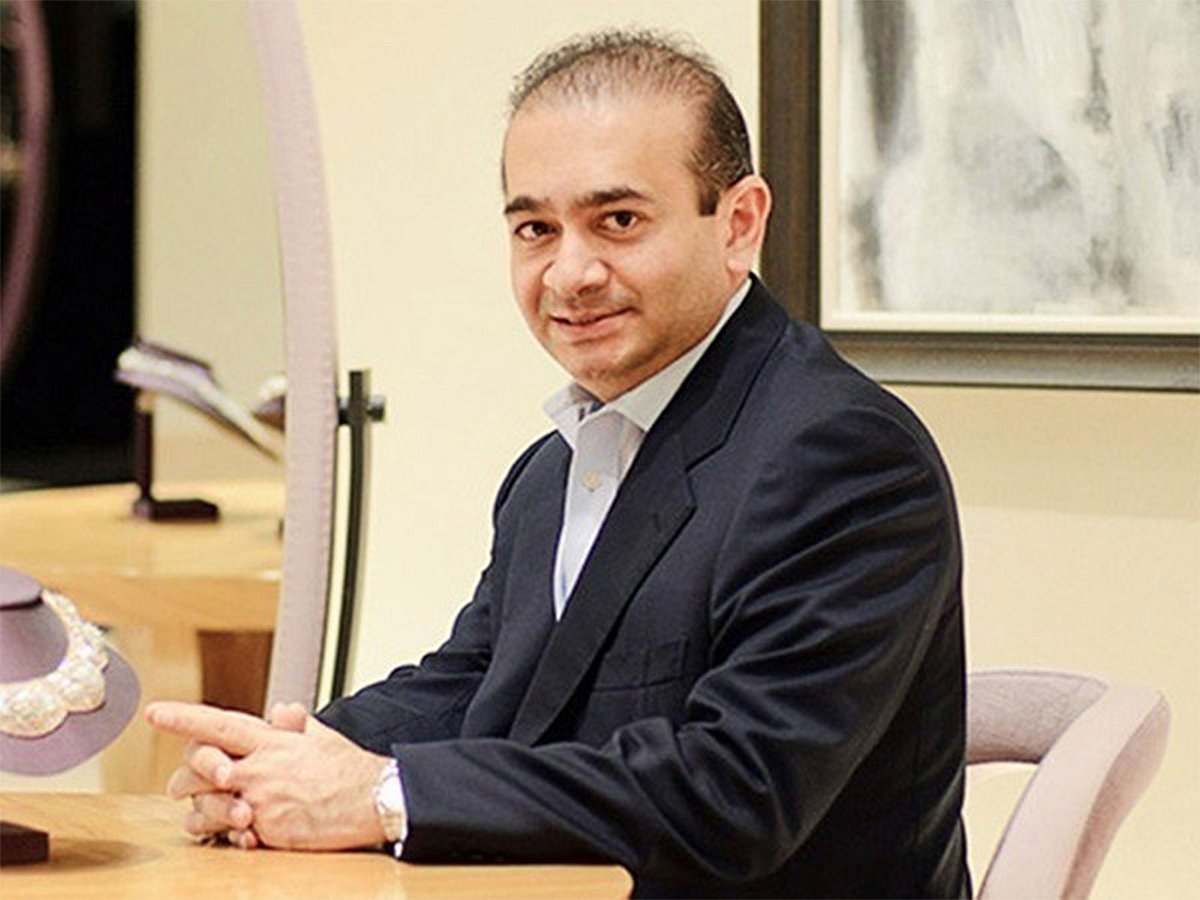
Nirav Modi Extradition Row Halted UK-India Migrant Returns, Claims Priti Patel
Former UK Home Secretary Priti Patel claims India refused to take back illegal migrants due to the delay in Nirav Modi's extradition. She stated India felt "hugely angry" and "demoralised" by the prolonged legal process, impacting cooperation on migration despite a bilateral agreement.
Key Highlights
- Priti Patel claims India linked migrant returns to Nirav Modi's extradition.
- Modi's extradition stalled despite Priti Patel signing order in 2021.
- India allegedly 'pushed back' on accepting illegal migrants.
- Migration and Mobility Partnership signed in 2021 aimed to resolve issues.
- Patel expressed 'horror' over Modi's continued presence in UK.
- India disputes claims, stating it accepts illegal migrants.
Former UK Home Secretary Priti Patel has publicly claimed that India became increasingly reluctant to accept the return of thousands of its citizens who were illegal migrants or failed asylum seekers in Britain, directly attributing this stance to the UK's failure to extradite fugitive diamond merchant Nirav Modi. Patel, who served as Home Secretary from 2019 to 2022, made these revelations on "The Diamond King" podcast, a four-part series by The Daily Telegraph reporters.
According to Patel, India expressed "hugely angry" and "demoralised" sentiments over the prolonged legal process that has kept Modi in the UK, despite British courts having approved his extradition. She recounted facing "a hell of a challenge" in convincing Indian authorities to sign off on receiving failed asylum seekers, suggesting that India used the high-profile extradition case as leverage. Patel noted that Delhi often cited difficulties in verifying the identities of individuals the UK sought to return and, in some instances, declined to receive charter flights carrying these migrants.
Nirav Modi is accused of orchestrating a massive fraud of over Rs 13,000 crore (approximately USD 2 billion) involving the Punjab National Bank (PNB). He was arrested in London in March 2019 after being located by The Daily Telegraph. In April 2021, Priti Patel, then Home Secretary, formally signed the order for Modi's extradition to India after UK courts found a prima facie case against him for fraud and money laundering. However, despite exhausting his legal challenges within the UK's judicial system, including appeals to the High Court and the Supreme Court by December 2022, Modi remains in London's Pentonville Prison. His actual removal has been stalled by a "statute barred" legal issue, widely understood to be a confidential application for political asylum. Patel expressed her frustration, stating she was "appalled and horrified" that Modi was still in the UK seven years after his arrest, accusing him of exploiting the British legal system.
The issue of illegal migration and returns between India and the UK is a significant aspect of their bilateral relationship. In May 2021, both countries signed a Migration and Mobility Partnership (MMP), which was intended to facilitate the return of illegal residents and also ensure reciprocal, speedier issuance of visas for students and professionals. Patel herself was instrumental in signing this agreement with India's External Affairs Minister S. Jaishankar. However, her recent comments suggest that the diplomatic friction caused by the unresolved extradition cases, including that of Nirav Modi and reportedly Vijay Mallya, has overshadowed the intended cooperation of the MMP.
Contrasting Patel's claims, Kuldeep Shekhawat, who is in charge of Overseas Friends of BJP UK and Europe, has reportedly stated that India has never opposed taking back illegal migrants and continues to do so. This indicates a potential divergence in views on the actual impact of the extradition delays on migration cooperation between officials from both sides. Nevertheless, Patel's assertions highlight the intricate link between high-profile extradition cases and broader diplomatic relations, underscoring how perceived delays in justice for economic offenders can strain international partnerships.
The ongoing situation continues to be a point of contention and discussion, particularly for audiences in India keen on seeing justice served for individuals accused of large-scale financial crimes. The prolonged legal battles in the UK for fugitives like Nirav Modi remain a sensitive diplomatic issue, affecting the tone and effectiveness of bilateral cooperation on other critical areas, such as migration management.
Frequently Asked Questions
Who is Priti Patel and what did she claim?
Priti Patel is a former UK Home Secretary (2019-2022) who claimed that India refused to take back illegal Indian migrants from the UK because of the prolonged delay in extraditing fugitive diamantaire Nirav Modi.
Why is Nirav Modi still in the UK despite an extradition order?
Nirav Modi is still in the UK because, despite exhausting his appeals against extradition in UK courts and Priti Patel signing his extradition order in April 2021, his removal is currently stalled by a 'statute barred' legal matter, widely believed to be a confidential asylum application.
What is the India-UK Migration and Mobility Partnership?
The Migration and Mobility Partnership (MMP) is an agreement signed between India and the UK in May 2021. It aims to streamline visa processes for students and professionals and facilitate the return of illegal residents to their respective countries.
How has India responded to these claims?
While Priti Patel claims India 'pushed back' on accepting illegal migrants, an Indian official, Kuldeep Shekhawat (Overseas Friends of BJP UK and Europe), has disputed this, stating that India is taking back illegal migrants and has never opposed it.
What is the significance of this claim for India-UK relations?
Priti Patel's claim highlights how high-profile extradition cases, like that of Nirav Modi, can cause diplomatic friction and complicate broader cooperation between India and the UK, including on critical issues such as migration management.