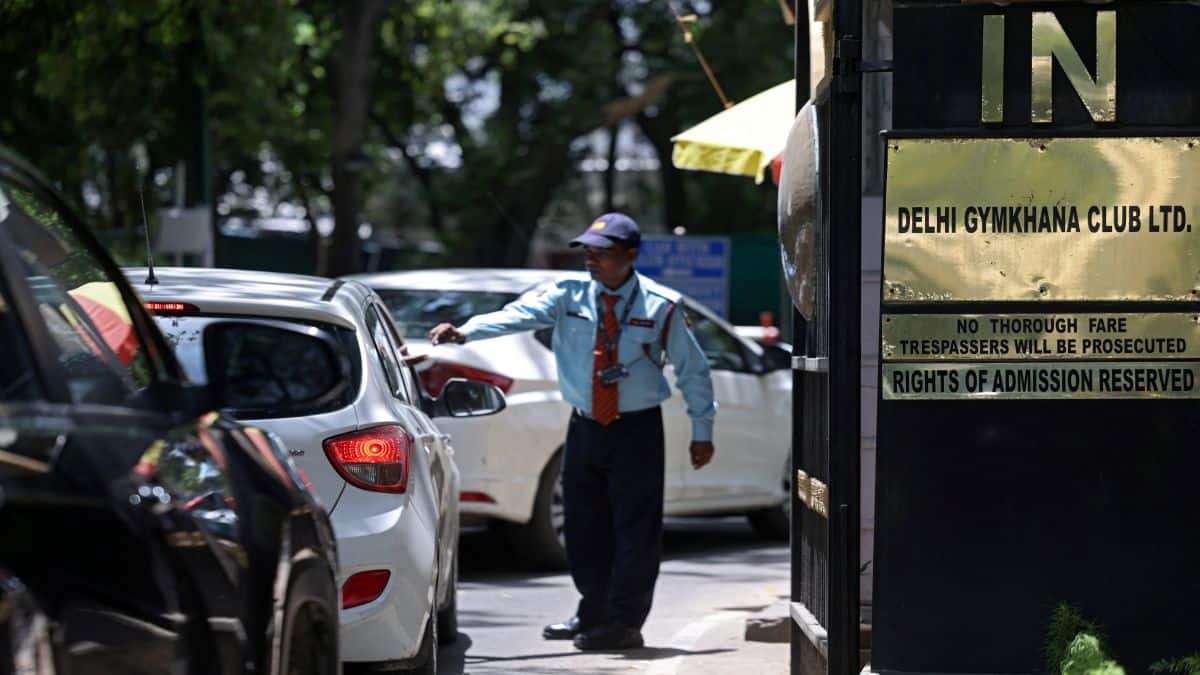
Delhi Gymkhana Club eviction sparks national debate on elite privilege
The Delhi Gymkhana Club faces an eviction notice from the Indian government, citing the need for defense infrastructure and public projects. This has ignited a national conversation about elite clubs, their use of public land, and the privilege they represent, with similar institutions across India facing scrutiny.
Key Highlights
- Delhi Gymkhana Club ordered to vacate 27.3-acre prime land by June 5.
- Government cites defense infrastructure and public security needs for eviction.
- Club challenging eviction in Delhi High Court amid legal battle.
- Controversy sparks debate on elite privilege and use of public land.
- Other elite clubs in India facing increased scrutiny.
- Allegations of mismanagement and unpaid dues against the club.
The Delhi Gymkhana Club, a century-old bastion of India's elite, is at the center of a significant controversy following an eviction notice from the Union government. The notice, issued by the Land and Development Office (L&DO), demands that the club vacate its sprawling 27.3-acre premises in Lutyens' Delhi by June 5, 2026. The government's stated reasons for resuming possession of the land include the urgent need for defense infrastructure, governance facilities, and other public-interest projects, given the club's strategic location near the Prime Minister's residence. This development has not only triggered a legal battle in the Delhi High Court, where club members are challenging the eviction order, but has also ignited a broader national conversation about the role and privileges of elite clubs in India.
The Delhi Gymkhana Club, founded in 1913, has historically served as a meeting ground for senior civil servants, military officers, politicians, judges, and prominent business figures. Its membership has long been characterized by exclusivity, with lengthy waiting lists and a system that often favored legacy admissions. Critics argue that such institutions, occupying prime government-leased land at nominal rents (reportedly as low as ₹1,000 per year for 27 acres), represent a colonial-era relic of privilege that is incongruous with a nation striving for greater equity. The club's lease agreement, which includes a clause allowing the government to resume possession for public purposes, is the legal basis for the current action.
Adding to the complexity of the situation are long-standing allegations of mismanagement and opaque governance within the club. The National Company Law Tribunal (NCLT) had previously intervened in 2022, appointing a government-nominated committee to administer the club's affairs following disputes over governance and finances. This committee claims to have turned the club's financial situation around, moving from a loss to a projected profit. However, former elected members dispute these claims and allege mismanagement by the appointed body. The government has also cited unpaid dues, reportedly amounting to around ₹47.58 crore, as a contributing factor to the eviction notice.
The eviction order has sent ripples through other elite clubs across India, prompting them to face similar uncomfortable questions about their land usage, membership policies, and financial transparency. This broader scrutiny suggests that the Delhi Gymkhana Club controversy could be a catalyst for reforms in the management and regulation of such institutions nationwide. While some defend the clubs as heritage institutions, the dominant narrative emerging is one of challenging undue privilege and re-evaluating the allocation of public resources.
The legal proceedings are ongoing, with the Delhi High Court hearing the club's challenge. The government, represented by the Solicitor General, has assured the court that any actions will be taken in accordance with due legal process. Meanwhile, anxieties persist among the club's approximately 14,000 members and its nearly 600 employees regarding their future. The club management has sought to reassure staff about job security and has even explored options for alternative land allocation should the eviction proceed. The debate continues, touching upon themes of land rights, historical legacy, social equity, and the balance of power between private privilege and public interest in India.
This unfolding situation highlights a critical juncture in India's discourse on inequality and the persistence of elite structures. The future of the Delhi Gymkhana Club remains uncertain, but the controversy has undeniably brought to the fore a national conversation about privilege, public land, and the evolving definition of 'public purpose' in a rapidly developing nation.
Frequently Asked Questions
Why has the Delhi Gymkhana Club been ordered to vacate its premises?
The Indian government has ordered the Delhi Gymkhana Club to vacate its 27.3-acre premises by June 5, 2026, citing the urgent need for defense infrastructure, governance facilities, and other public-interest projects due to the club's strategic location near the Prime Minister's residence. The government is also citing alleged unpaid dues and issues related to lease terms.
What is the legal status of the Delhi Gymkhana Club's land?
The Delhi Gymkhana Club occupies land leased from the government on a perpetual lease. The government has invoked Clause 4 of this lease deed, which permits them to resume possession of the land if it is required for a public purpose.
What are the main arguments of the Delhi Gymkhana Club against the eviction?
The club members and management are challenging the eviction order in the Delhi High Court, arguing that it is arbitrary, a violation of due process, and that the move could severely impact its thousands of members and hundreds of employees. They also highlight the club's historical significance and legacy.
How does this issue relate to other elite clubs in India?
The Delhi Gymkhana Club controversy has sparked a broader national conversation and increased scrutiny on other elite clubs across India that occupy public land. These clubs are now facing similar questions regarding their land usage, membership policies, and financial transparency, suggesting potential for wider reforms.