Iran warns Gulf states: 'Consequences' if US attacks, target energy infrastructure
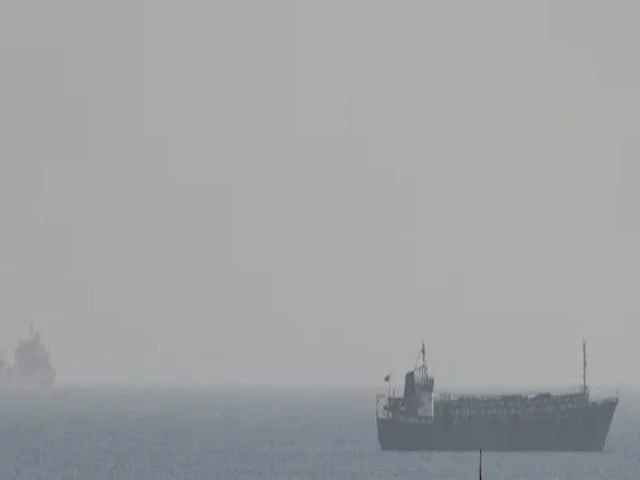
Iran has issued a stern warning to Gulf states, threatening to retaliate against their critical energy infrastructure if the United States launches any new attacks on its territory. This diplomatic push aims to deter further U.S. military action by escalating the potential costs for Washington and its regional allies.
Key Highlights
- Iran warns Gulf states of severe retaliation if US attacks Iran.
- Retaliation would target critical energy infrastructure across the region.
- Diplomatic channels used to convey the warning to Gulf allies.
- Warning linked to US President Trump's previous threats of strikes.
- Aim is to deter further US military action by raising costs.
- Gulf states host US bases and are crucial for energy exports.
In a significant diplomatic maneuver, Iran has issued a strong warning to its neighboring Gulf states, stating that any new military strike by the United States on Iranian territory would lead to retaliation against critical energy infrastructure across the region. This warning, conveyed through high-level diplomatic contacts, is a strategic move by Tehran to deter further U.S. military action by increasing the potential consequences for Washington and its closest regional allies [5, 6, 7, 8, 9, 10, 11, 12, 14, 16].
The series of warnings was reportedly delivered after U.S. President Donald Trump threatened on July 28th to target Iran's energy network and infrastructure [5, 6, 8, 11, 12, 14, 16]. According to sources, Iranian Foreign Minister Abbas Araqchi engaged in discussions with his counterparts from Saudi Arabia, Turkey, and Qatar, as well as Pakistan's army chief [6, 7, 8, 9, 10, 11, 19]. During these conversations, Araqchi urged the U.S.'s Gulf allies to leverage their influence with President Trump to dissuade him from launching renewed strikes. He warned that any attack on Iran would result in retaliation against U.S. assets and energy facilities throughout the Gulf [6, 7, 8, 10, 11].
Iranian officials emphasized that their message was consistent: Tehran was prepared to retaliate, but a diplomatic solution was the preferred path to avoid wider escalation and destruction in the region [6, 8, 10, 11, 12]. The warnings were unequivocal, stating that if America targeted Iran's infrastructure, Iran would retaliate by striking Gulf energy facilities and other regional targets [6, 8, 10, 11, 12]. This diplomatic strategy underscores Iran's attempt to use the threat of widespread regional disruption as leverage against further U.S. strikes [6, 8, 10, 11, 12].
The situation places Gulf states, many of which host U.S. military bases and are heavily reliant on energy exports, in a precarious position between Washington and Tehran [6, 8, 10, 11, 12, 16]. Reports indicate that Saudi Crown Prince Mohammed bin Salman subsequently spoke with President Trump, urging him to delay military action, return to negotiations, and pursue a diplomatic settlement [6, 8, 11].
The scope of Iran's threatened retaliation includes attacks on energy facilities, oil fields, refineries, electricity grids, water infrastructure, transport networks, and other strategic assets belonging to Washington's Arab allies [5, 11, 12, 14]. The Iranian warning is part of a broader effort to deter further U.S. military action by signaling the prospect of severe economic disruption across the Gulf [11, 12, 16].
This development highlights the escalating tensions in the region, with potential far-reaching economic implications given the Gulf's critical role in global energy markets. The interconnectedness of Middle Eastern infrastructure means that any disruption could lead to a widespread humanitarian and economic catastrophe [14, 16]. The current situation is described as a "massive and serious threat" to the global economy, potentially worse than previous oil crises [16].
The news is specific to the countries involved in the U.S.-Iran geopolitical conflict and has global implications due to the impact on energy markets. The direct parties involved include Iran, the United States, and several Gulf states such as Saudi Arabia, Qatar, Turkey, the United Arab Emirates, Bahrain, and Kuwait. The warning itself is a direct response to threats made by U.S. President Donald Trump. The underlying geopolitical situation involves long-standing tensions between the U.S. and Iran, exacerbated by recent events and rhetorical escalations regarding potential military actions and Iran's nuclear program [17, 18, 19]. The specific context relates to the potential for military strikes and the subsequent regional consequences, including threats to energy infrastructure, which is vital for the global economy [16].
Given the gravity of the threats and the potential for widespread regional conflict and economic disruption, this story is of high importance and urgency, particularly for international relations, global economics, and the energy sector. The implications for India, a major energy importer, are significant due to potential volatility in global oil prices and supply chains.
Frequently Asked Questions
What is Iran's primary threat to Gulf states?
Iran has warned that if the United States attacks its territory, it will retaliate by targeting the critical energy infrastructure of Gulf states that are allies of the U.S.
What prompted Iran's warning?
The warning was issued in response to recent threats made by U.S. President Donald Trump to strike Iran's energy network and infrastructure.
Which Gulf states have been warned by Iran?
Iran has engaged in diplomatic contacts with Saudi Arabia, Turkey, and Qatar, implicitly warning several Gulf states that host U.S. military bases and depend on energy exports.
What is the potential impact of this conflict on global energy markets?
Any conflict involving Iran and Gulf states could severely disrupt oil supplies through the Strait of Hormuz, leading to significant price spikes and global economic instability, potentially exceeding the impact of previous oil crises.