Indian Rupee Hits Record Low Amidst Rising Crude Oil Prices and Geopolitical Tensions
The Indian Rupee opened significantly lower against the US Dollar, reaching a record low of 92.20 due to escalating crude oil prices and heightened geopolitical tensions in the Middle East. This depreciation is driven by India's heavy reliance on oil imports and a global shift towards safer assets like the USD. The Reserve Bank of India has intervened to stabilize the currency.
Key Highlights
- Rupee plummets to a record low of 92.20 against the US dollar.
- Rising crude oil prices are a primary driver of the rupee's depreciation.
- Geopolitical tensions in the Middle East are increasing demand for the US dollar.
- India's import-heavy economy is sensitive to fluctuations in global oil prices.
- The Reserve Bank of India is intervening to stabilize the currency.
- A weaker rupee impacts India's import costs, trade deficit, and inflation.
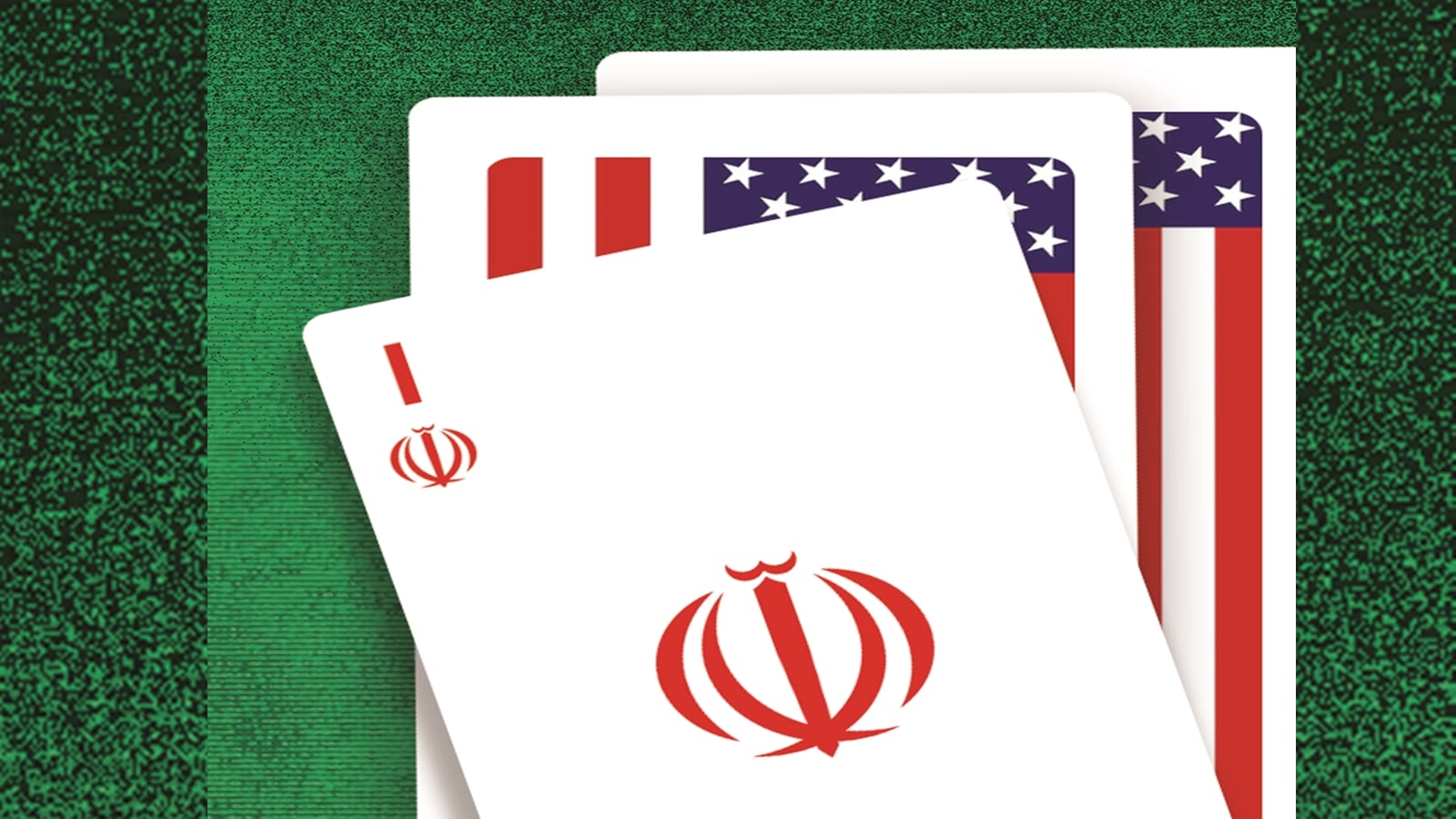
The Indian Rupee experienced a sharp decline, opening 46 paise lower at 92.20 against the US Dollar on Monday, March 9, 2026. This marks a record low for the currency, driven primarily by a surge in global crude oil prices and escalating geopolitical tensions in the Middle East. Brent crude, the global oil benchmark, traded significantly higher, reportedly up by over 25% to approximately USD 116.5 per barrel in futures trade, as the conflict between the US-Israel and Iran intensified. This surge in oil prices has direct implications for India, a nation that imports over 80% of its crude oil requirements. A higher import bill for crude oil, which is priced in US dollars, directly increases the demand for dollars and consequently weakens the Indian Rupee.
Several factors are contributing to the rupee's current predicament. The intensifying conflict in the Middle East has fueled a "risk-off" sentiment among global investors, leading them to seek safer assets such as the US dollar. This increased demand for the dollar further pressures emerging market currencies like the Indian Rupee. Foreign institutional investors (FIIs) have also been selling equities in Indian markets, leading to capital outflows and an increased demand for dollars as these investors convert their rupee holdings.
The Reserve Bank of India (RBI) has reportedly intervened in the foreign exchange market to mitigate volatility and stabilize the currency. Market participants suggest that the central bank may have been selling dollars before the domestic spot market opened, which allowed the rupee to temporarily rebound. However, the underlying pressures from high oil prices and geopolitical uncertainty remain, suggesting the rupee could continue to be vulnerable. Analysts predict that if oil prices remain above USD 100 per barrel, the rupee might even touch 93.00.
The implications of a weaker rupee for India are multifaceted. It makes imports more expensive, potentially leading to higher inflation as increased costs for fuel, transportation, and manufacturing are passed on to consumers. A widening trade deficit is also a concern, as a higher import bill for oil and other commodities, coupled with a weaker rupee, strains the country's external balances. Conversely, a weaker rupee can benefit Indian exporters, such as those in the IT and pharmaceutical sectors, as their dollar-denominated revenues translate into more rupees. However, the immediate concerns revolve around the inflationary pressures and the impact on the import bill.
The historical context shows that the USD to INR exchange rate has seen significant fluctuations over the years, with the rupee depreciating substantially since India's independence in 1947. Factors such as the current account deficit, inflation, capital outflows, fiscal deficit, global trade dynamics, and geopolitical events have consistently influenced the INR's value. The current scenario, characterized by a confluence of rising oil prices and geopolitical instability, presents a significant challenge to India's economic stability and requires close monitoring of global developments and the RBI's policy responses. As of March 10, 2026, the USD to INR exchange rate was approximately 91.91. Earlier in March 2026, the rupee had reached an all-time low of 92.3350 against the dollar.
Frequently Asked Questions
What is the current exchange rate of the Indian Rupee to the US Dollar?
As of March 10, 2026, the USD to INR exchange rate is approximately 91.91. The Indian Rupee recently hit a record low, trading around 92.20-92.33 against the US Dollar.
What are the main reasons for the Indian Rupee's recent decline?
The primary reasons for the rupee's depreciation are the sharp increase in global crude oil prices and escalating geopolitical tensions in the Middle East. These factors increase demand for the US Dollar and put pressure on emerging market currencies like the INR.
How does the rising crude oil price affect India?
As India is a major importer of crude oil, rising prices increase its import bill, widen the trade deficit, and put downward pressure on the rupee. This can also lead to higher inflation due to increased costs of fuel, transportation, and manufacturing.
Has the Reserve Bank of India intervened to stabilize the Rupee?
Yes, reports indicate that the Reserve Bank of India (RBI) has intervened in the foreign exchange market by selling dollars to mitigate volatility and stabilize the currency.